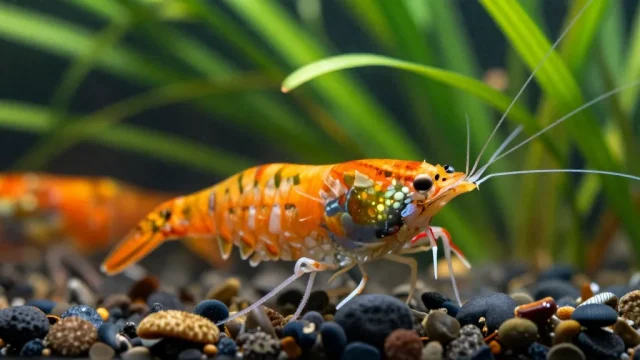
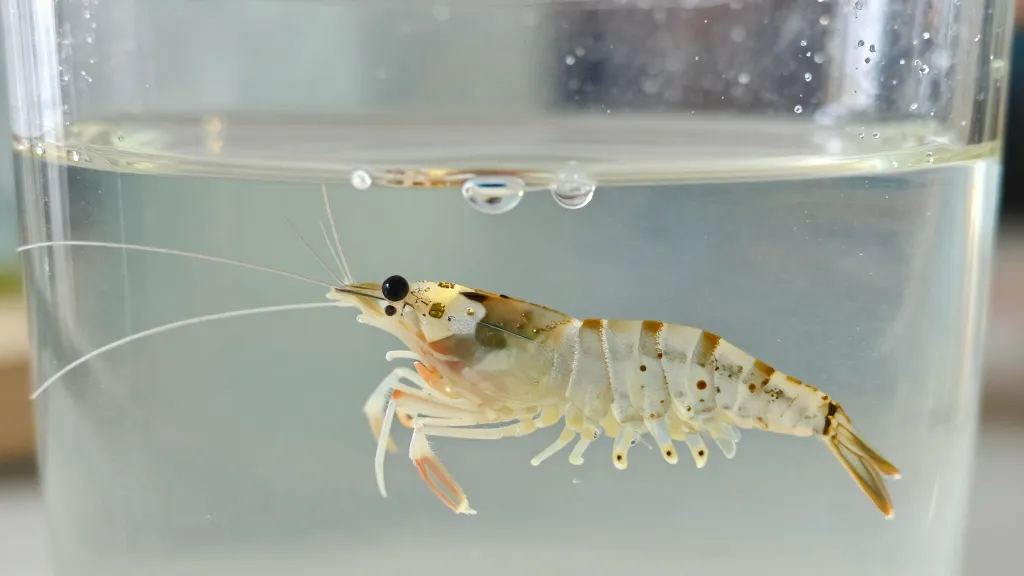
Introducing dwarf shrimp to a new aquarium can be a delicate process, and using the how to drip acclimate dwarf shrimp method is a gentle and effective way to ensure their safety. Unlike fish, shrimp are highly sensitive to changes in water chemistry, making acclimation a crucial step. Drip acclimation allows for a slow and controlled transition, reducing the risk of shock and stress. This method is particularly beneficial for dwarf shrimp, which are prone to molting and require stable conditions to thrive. By following a structured drip acclimation process, you can help your shrimp adjust smoothly to their new environment. The following sections will guide you through the key steps and considerations for a successful acclimation. Understanding the importance of this process will help you avoid common pitfalls and ensure your shrimp remain healthy and happy in their new home.
Why Drip Acclimation Is Important for Dwarf Shrimp
Drip acclimation is a critical practice for ensuring the health and survival of dwarf shrimp when transitioning to a new environment. By allowing gradual adjustment to water conditions, this method minimizes the risk of stress-related issues, which can be particularly harmful to these delicate creatures.
Understanding Molting Stress in Shrimp
Shrimp are highly susceptible to molting stress, a natural process where they shed their exoskeleton to grow. Sudden changes in water temperature or chemistry can disrupt this process, leading to failure to molt, weakened immune systems, or even death. Drip acclimation helps mitigate this risk by providing a controlled, slow transition that supports the shrimp's physiological needs.
The Role of Water Chemistry in Acclimation
Dwarf shrimp are especially sensitive to fluctuations in water chemistry, including pH, hardness, and mineral content. These parameters can vary significantly between water sources, and abrupt changes can cause shock or long-term health issues. Drip acclimation allows the shrimp to gradually adapt to these differences, ensuring a smoother transition. This method is particularly beneficial for newly purchased or bred shrimp, which may be more vulnerable to environmental stressors. By mimicking natural water flow and gradual changes, drip acclimation offers a low-stress alternative to traditional methods like floating bags or direct transfers, making it an ideal choice for water gardeners and aquarium enthusiasts.
Step-by-Step Guide to Drip Acclimate Dwarf Shrimp
Drip acclimation is a gentle and effective method to introduce dwarf shrimp to a new tank environment. By slowly introducing new water, you minimize shock and allow the shrimp to adjust gradually to changes in water chemistry and temperature.
- Prepare a drip line or use a syringe to slowly introduce new water.
- Monitor the shrimp for signs of stress or molting during the process.
- Ensure the drip rate is slow and consistent.
- Acclimation should take at least 2 to 4 hours.
- Avoid direct exposure to bright light during acclimation.
Setting Up the Drip Line
To set up a drip line, connect a plastic tube from the new water source to the tank. The tube should be placed above the tank to allow gravity to control the flow. Alternatively, a syringe can be used to manually drip water into the tank, ensuring a slow and steady introduction of new water. The goal is to maintain a gentle drip rate that mimics natural water movement without causing stress to the shrimp.
Timing and Monitoring the Process
During the acclimation process, observe the shrimp closely for any signs of stress, such as erratic swimming, lethargy, or unusual coloration. Molting can also occur during this time, so it's important to be patient and avoid disturbing the shrimp unnecessarily. The acclimation period should last at least 2 to 4 hours, allowing the shrimp to gradually adapt to the new water parameters. Avoid exposing the shrimp to bright light, as this can increase stress and disrupt their natural behavior.
Common Mistakes to Avoid When Acclimating Shrimp
Acclimating dwarf shrimp requires careful attention to avoid common pitfalls that can stress or harm the delicate creatures. Many mistakes stem from improper water conditions, excessive movement, or rushed processes. By recognizing and avoiding these errors, you can significantly improve the shrimp's chances of surviving and thriving in their new environment.
- Do not acclimate shrimp in a bowl or container with no water flow.
- Avoid using a siphon or pump that creates too much turbulence.
- Do not expose shrimp to sudden temperature changes.
- Ensure the new water is treated and matches the tank's parameters.
- Avoid overfeeding shrimp during the acclimation process.
Avoiding Water Flow and Turbulence
One of the most common mistakes is acclimating shrimp in a bowl or container without water flow. Still water can lead to stagnation, oxygen depletion, and increased risk of ammonia buildup. Shrimp require gentle water movement to maintain proper oxygen levels and prevent the accumulation of harmful substances. A drip acclimation setup ensures a steady, controlled flow that mimics natural conditions and supports the shrimp's physiological needs.
Matching Water Parameters Correctly
Matching water parameters is crucial to prevent shock and stress. The new water should closely match the tank's temperature, pH, hardness, and ammonia levels. Using untreated water or water with drastically different parameters can be fatal. Always test the water before adding it to the drip line and adjust as needed. This ensures a gradual transition, allowing the shrimp to adapt safely without experiencing abrupt environmental shifts.
Tips for a Successful Drip Acclimation Process
A successful drip acclimation process depends on careful preparation and consistent attention to detail. By creating the right environment and maintaining water quality, you can significantly reduce the risk of stress or harm to your dwarf shrimp.
- Use a clean, treated water source for acclimation.
- Monitor the shrimp for any signs of distress or molting.
- Acclimate during the day when light is moderate.
- Keep the drip line away from strong water currents.
- Ensure the acclimation tank is free from contaminants.
Choosing the Right Acclimation Environment
Choosing the right acclimation environment is crucial for the shrimp's comfort and safety. A clean, treated water source, such as dechlorinated tap water or a pre-treated water mix, should be used to avoid introducing harmful chemicals. The acclimation tank should be placed in a quiet, low-traffic area of the room to minimize disturbances. Avoid direct sunlight or bright artificial lights, as excessive light can cause stress and disrupt the shrimp's natural behavior.
Maintaining Water Quality During Acclimation
Maintaining water quality during acclimation ensures that the shrimp are not exposed to harmful substances or fluctuations. Regularly check the acclimation tank for any signs of cloudiness, odor, or algae growth, which may indicate poor water quality. Use a siphon or gentle filtration method to keep the water clear without creating strong currents. It’s also important to avoid adding any decorations, substrate, or live plants that could introduce contaminants or alter the water chemistry unexpectedly.
Troubleshooting Drip Acclimation Issues
Troubleshooting drip acclimation issues is essential to ensure the health and survival of dwarf shrimp. By identifying early signs of stress and making timely adjustments, you can prevent complications and support a smoother transition into the main tank.
- If shrimp become stressed, slow the drip rate or pause the process.
- If the shrimp stop eating, check for water chemistry or temperature issues.
- If molting occurs, ensure the water is clean and the pH is stable.
- Avoid overfeeding shrimp during the acclimation period.
- If the shrimp are not adapting, consider alternative acclimation methods.
Recognizing Signs of Stress in Shrimp
Recognizing signs of stress is the first step in addressing issues during drip acclimation. Shrimp may exhibit behaviors such as lethargy, erratic swimming, or hiding in corners. These symptoms can indicate poor water quality, temperature fluctuations, or an imbalance in chemical parameters. Close observation is crucial to determine the root cause and take corrective action promptly.
Adjusting the Acclimation Process
Adjusting the acclimation process involves modifying the drip rate or temporarily halting the procedure if shrimp show signs of distress. It is also important to test and match the water parameters in the new tank with those of the holding container to ensure compatibility. If shrimp refuse to eat, it may signal a need to adjust the temperature or chemical balance, which should be corrected before resuming the acclimation process.
Frequently Asked Questions
How long does drip acclimation take for dwarf shrimp?
Drip acclimation typically takes 2 to 4 hours for dwarf shrimp. The exact time depends on the volume of water and the difference in parameters between the old and new water. A slow drip rate ensures gradual adjustment, reducing stress and promoting better survival rates.
Can I use a siphon instead of a drip line for shrimp acclimation?
A siphon can be used for shrimp acclimation, but it's less controlled than a drip line. A siphon might create turbulence, which can stress shrimp. If using a siphon, ensure the flow is slow and steady to mimic drip acclimation and avoid harming the shrimp.
What should I do if my shrimp start molting during acclimation?
Molting is natural, but it can be stressful during acclimation. Ensure the water is stable and free from strong currents. Avoid disturbing the shrimp and provide a quiet environment. If molting is frequent, check the water parameters and adjust as needed.
Is there a faster way to acclimate shrimp without stress?
The drip acclimation method is the safest and most effective, even though it takes time. Rushing the process increases the risk of stress and mortality. If time is limited, a slow siphon method can be used as an alternative, but it requires careful monitoring to avoid turbulence and sudden changes.
Final Thoughts on Drip Acclimation
Drip acclimation is essential for reducing stress and ensuring the safety of dwarf shrimp during transitions. By following a slow, controlled method, you can significantly improve their chances of survival and health.
Monitor the process closely and adjust as needed. Once acclimated, place the shrimp in a stable, well-maintained environment to support their continued growth and well-being.