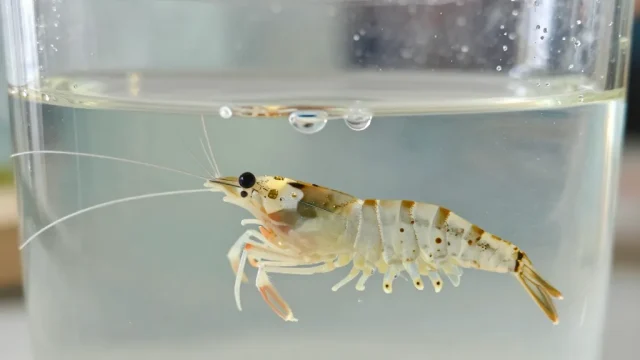
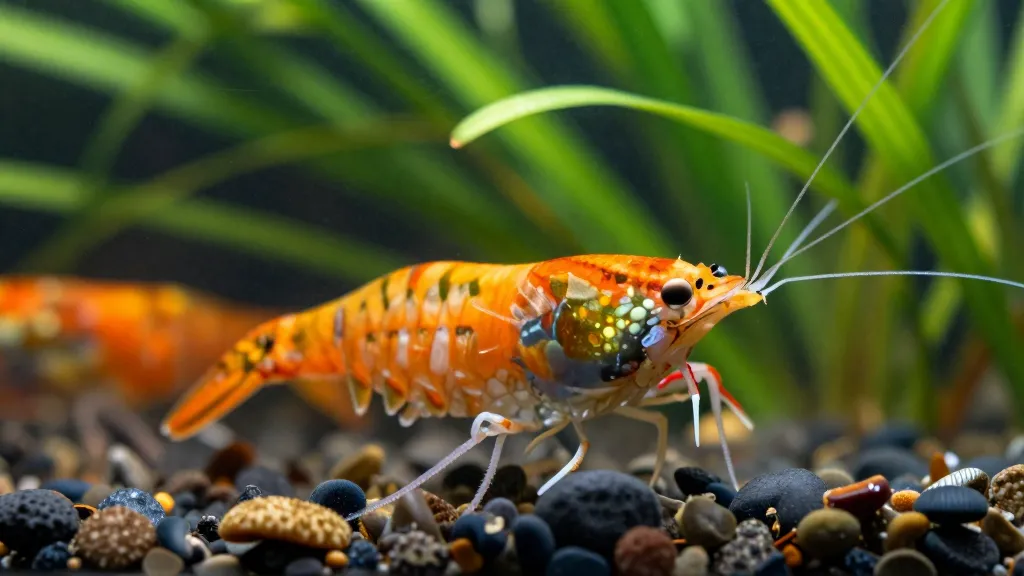
If you're keeping Neocaridina cherry shrimp in a planted tank, maintaining the right water parameters is essential for their health and longevity. These small, colorful crustaceans are sensitive to fluctuations in their environment, making stable conditions a top priority. Understanding and managing the neocaridina cherry shrimp water parameters will help you provide a safe, thriving habitat for your shrimp. From pH levels to dissolved solids, each factor plays a role in ensuring your shrimp remain active and stress-free. In this guide, we’ll explore the key water parameters that support Neocaridina cherry shrimp, how to monitor them, and what to do if things go wrong. Whether you're a beginner or an experienced aquarist, this information will help you maintain a balanced and healthy shrimp tank.
Understanding the Basics of Cherry Shrimp Water Parameters
Understanding the basics of water parameters is essential for keeping Neocaridina cherry shrimp healthy and thriving. These small crustaceans are highly sensitive to changes in their environment, making stable water conditions a priority. Proper water parameters not only support their survival but also enhance their coloration and overall vitality. By focusing on key factors like pH, GH, KH, and TDS, hobbyists can create an optimal habitat that mimics their natural environment.
Why Water Parameters Matter for Cherry Shrimp
Water parameters play a critical role in the health and longevity of Neocaridina cherry shrimp. These shrimp rely on a balanced aquatic environment to support their biological functions, including respiration, digestion, and reproduction. Poor water quality can lead to stress, disease, and even death. For example, high ammonia or nitrate levels can be toxic, while extreme pH fluctuations can damage their gill structures. Ensuring that the water remains within safe limits is key to their long-term survival.
The Role of Stability in Shrimp Care
Stability in water parameters is just as important as maintaining the correct values. Cherry shrimp are not only sensitive to the actual levels of parameters but also to how much they fluctuate over time. Sudden changes in pH, temperature, or hardness can cause shock and weaken their immune systems. To prevent this, it's recommended to perform regular water tests and avoid making large adjustments. A stable environment helps the shrimp thrive and reduces the risk of health issues, making it a cornerstone of successful shrimp keeping.
Optimal Water Parameters for Neocaridina Cherry Shrimp
The optimal water parameters for Neocaridina cherry shrimp are critical to their health and longevity. Maintaining the correct balance of pH, hardness, and dissolved solids ensures a stable, hospitable environment. Understanding these parameters allows aquarists to provide the best possible conditions for their shrimp.
| Parameter | Ideal Range | Importance |
|---|---|---|
| pH | 6.5–7.5 | Maintains a neutral to slightly acidic environment, supporting biological functions and reducing stress |
| GH | 3–8 dGH | Provides essential minerals for growth and health, but excessive levels can lead to water instability |
| KH | 2–6 dKH | Buffers pH fluctuations, ensuring a stable environment for shrimp and plant life |
| TDS | 100–300 ppm | Keeps dissolved solids at a level that supports aquatic life without causing toxicity or imbalance |
pH: The Ideal Range for Cherry Shrimp
pH is one of the most crucial factors for Neocaridina cherry shrimp. A pH range of 6.5 to 7.5 is ideal, as it supports metabolic processes and reduces stress. Shrimp are sensitive to extreme pH levels, which can lead to health issues or even death. Maintaining a slightly acidic to neutral environment mimics their natural habitat and promotes vitality.
GH and KH: Balancing Hardness for Shrimp Survival
General hardness (GH) and carbonate hardness (KH) are essential for balancing the water chemistry in a shrimp tank. GH should be between 3 and 8 dGH, providing necessary minerals for shrimp development. KH, which measures the buffering capacity, should range from 2 to 6 dKH. Together, these parameters help stabilize pH levels, preventing sudden fluctuations that can harm shrimp and disrupt the ecosystem.
TDS: Keeping Dissolved Solids in Check
Total dissolved solids (TDS) play a significant role in water quality for cherry shrimp. Keeping TDS between 100 and 300 ppm ensures a balanced environment that supports both aquatic life and plant growth. High TDS levels can lead to mineral buildup and toxicity, while low levels may cause nutrient deficiencies. Monitoring and adjusting TDS regularly helps maintain a healthy, sustainable shrimp habitat.
Maintaining Stable Water Parameters in a Planted Tank
Maintaining stable water parameters in a planted tank is essential for the long-term health of Neocaridina cherry shrimp. Regular monitoring and careful water management help prevent sudden shifts that can stress or harm the shrimp, while also supporting the growth of aquatic plants.
Testing Tools and Techniques for Water Monitoring
Regular water testing is crucial to ensure that pH, GH, KH, and TDS levels remain within the ideal range for cherry shrimp. Using a reliable water test kit or digital meter allows for accurate and consistent readings, helping hobbyists detect fluctuations before they become problematic. Testing should be done at least once a week, with more frequent checks during periods of high activity or when introducing new elements to the tank.
Water Change Best Practices for Shrimp Tanks
Water changes should be performed in small increments to avoid disrupting the delicate balance of the tank. A 10–20% water change every one to two weeks is generally sufficient for a planted shrimp tank, depending on stocking levels and filtration efficiency. When replacing water, it is important to match the temperature, pH, and mineral content of the new water to the existing tank environment, ensuring a smooth transition and minimizing stress on the shrimp and plants.
Common Water Parameter Issues and How to Fix Them
Common water parameter issues can significantly impact the health and survival of Neocaridina cherry shrimp. Addressing these problems promptly is essential for maintaining a stable and thriving shrimp population in your aquarium.
- Monitor water quality regularly using a reliable test kit to detect ammonia and nitrate spikes early.
- Perform frequent water changes to dilute harmful substances and reduce ammonia levels.
- Avoid overfeeding to prevent the accumulation of waste and the subsequent increase in ammonia.
- Use a biological filter to support beneficial bacteria that break down ammonia into less toxic nitrates.
- Test KH levels regularly to ensure they remain within the recommended range for shrimp health.
- Adjust KH by adding mineral supplements or using a water conditioner that buffers pH and stabilizes hardness.
- Avoid sudden changes in water chemistry to prevent stress and shock to the shrimp.
Dealing with Ammonia and Nitrate Spikes
Ammonia and nitrate spikes are common in shrimp tanks and can lead to health issues such as lethargy, discoloration, and even death. Ammonia is particularly toxic to shrimp, as they are more sensitive to it than fish. High nitrates, while less immediately dangerous, can still cause long-term stress and reduce lifespan. Regular testing and water changes are crucial to prevent these spikes from becoming a problem.
Managing KH and pH Instability
Low KH levels can cause pH instability, which is detrimental to cherry shrimp. KH, or carbonate hardness, acts as a buffer to keep pH levels consistent. When KH is too low, pH can fluctuate rapidly, leading to stress and poor digestion in shrimp. Maintaining a stable KH ensures that the water remains slightly alkaline, which supports both the shrimp's health and the overall tank ecosystem.
Tips for Long-Term Shrimp Health and Tank Stability
Ensuring long-term shrimp health and tank stability requires a proactive approach that combines proper water management with environmental enrichment. By implementing consistent maintenance routines and creating a stress-free habitat, aquarists can support the well-being of their Neocaridina cherry shrimp over time.
Buffering for pH Stability
Buffering is essential for maintaining stable KH levels, which in turn help regulate pH and prevent sudden fluctuations. Using a pH buffer specifically formulated for shrimp tanks can provide long-term stability by neutralizing acids and maintaining a balanced environment. Regularly testing KH and pH levels ensures that the buffering system remains effective and that the shrimp are not exposed to harmful changes in water chemistry.
Water Treatment and Filtration Best Practices
Treating tap water before adding it to the tank is crucial for removing harmful substances like chlorine, chloramines, and heavy metals. Using a dechlorinator or an RO (reverse osmosis) system ensures that the water is safe for shrimp and other aquatic life. Additionally, maintaining good filtration helps remove excess waste and toxins, promoting cleaner water and reducing the risk of disease. Regular maintenance of the filtration system ensures it operates efficiently and supports long-term water quality.
Frequently Asked Questions
What happens if the pH is too high for cherry shrimp?
High pH levels can stress cherry shrimp, potentially leading to health issues or even death. It's important to maintain a stable pH between 6.5 and 7.5 to ensure their well-being.
Can cherry shrimp survive in very hard water?
Cherry shrimp prefer softer water, as very hard water can cause stress and affect their health. A general hardness (GH) of 3 to 8 dGH is typically ideal for their survival.
How often should I test the water in my shrimp tank?
Testing the water weekly is recommended to monitor parameters like pH, ammonia, and nitrate levels. Regular testing helps maintain a stable environment for your shrimp.
What should I do if my TDS levels are too high?
High TDS levels can be harmful to shrimp. Perform partial water changes and use a reverse osmosis (RO) system to reduce TDS and maintain a healthy tank environment.
Final Thoughts
Maintaining proper water parameters is essential for the health and longevity of Neocaridina cherry shrimp. Regular monitoring and adjustments will help ensure a stable environment.
To get started, test your tank's water parameters and make any necessary adjustments. Consistent care and attention will lead to a thriving shrimp tank.