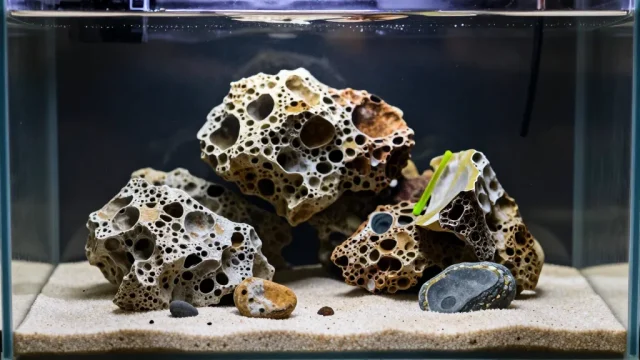
If you're looking for a reliable way to secure aquascape rocks in your freshwater aquarium, you've come to the right place. Many aquascapers seek a method that is both effective and easy to use, and one popular option is how to glue aquascape rocks with superglue. Superglue offers a strong bond that can hold rocks in place without the need for additional hardware. However, it's important to understand the right approach to ensure the best results and long-term stability in your planted tank. This article will guide you through the process of using superglue for aquascape rocks, including key considerations and practical tips to help you achieve a professional-looking setup.
Why Use Superglue for Aquascape Rocks
Superglue offers a practical solution for aquascapers seeking to secure rocks in their planted tanks. Its fast-setting properties, durability, and affordability make it an attractive choice for those looking to create stable, long-lasting aquascape designs.
Superglue vs Other Adhesives for Aquarium Use
When compared to other adhesives used in aquariums, superglue stands out for its speed and strength. Unlike epoxy or silicone, which require mixing and longer curing times, superglue bonds quickly, allowing for immediate placement of rocks. It also forms a strong, rigid bond that resists the pressure and movement of water, making it ideal for creating structured aquascapes. While other adhesives may offer flexibility, superglue’s rigidity provides a more permanent fix, which is especially useful for larger or heavier rocks.
Safety Considerations for Using Superglue in an Aquarium
Using superglue in an aquarium requires careful attention to safety to ensure it does not harm aquatic life. Cyanoacrylate is generally safe when used properly, but it is important to avoid direct contact with water during the bonding process. The glue should be fully cured before introducing the rocks into the tank to prevent any chemical leaching. Additionally, it is advisable to use a non-toxic, aquarium-safe superglue variant to minimize the risk of contamination. Regular water changes and monitoring the tank’s environment can further ensure the safety of the aquatic ecosystem.
Preparing Your Materials and Workspace
Preparing your materials and workspace is crucial to achieving a strong, long-lasting bond when gluing aquascape rocks with superglue. Having the right tools and a clean environment will not only improve the effectiveness of the adhesive but also help prevent waste and ensure a neat, professional finish.
- Superglue
- Rocks
- Small brush
- Clean workspace
Choosing the Right Superglue for Aquascaping
Choosing the right superglue is essential for successful aquascaping. While many types of superglue exist, it's recommended to use a water-resistant variety specifically designed for aquarium use. These adhesives are formulated to withstand moisture and maintain their bond over time, reducing the risk of the rocks becoming loose or detaching.
How to Use a Cigarette Filter for Precise Glue Application
A cigarette filter can be an invaluable tool when applying superglue to aquascape rocks. The filter allows for precise control over the amount of glue dispensed, preventing overuse and ensuring even coverage. To use it, simply squeeze a small amount of glue onto the filter and then apply it to the rocks. This method helps avoid excess glue from dripping or spreading, which can lead to messy results and potential issues with water clarity.
Step-by-Step Guide to Gluing Aquascape Rocks
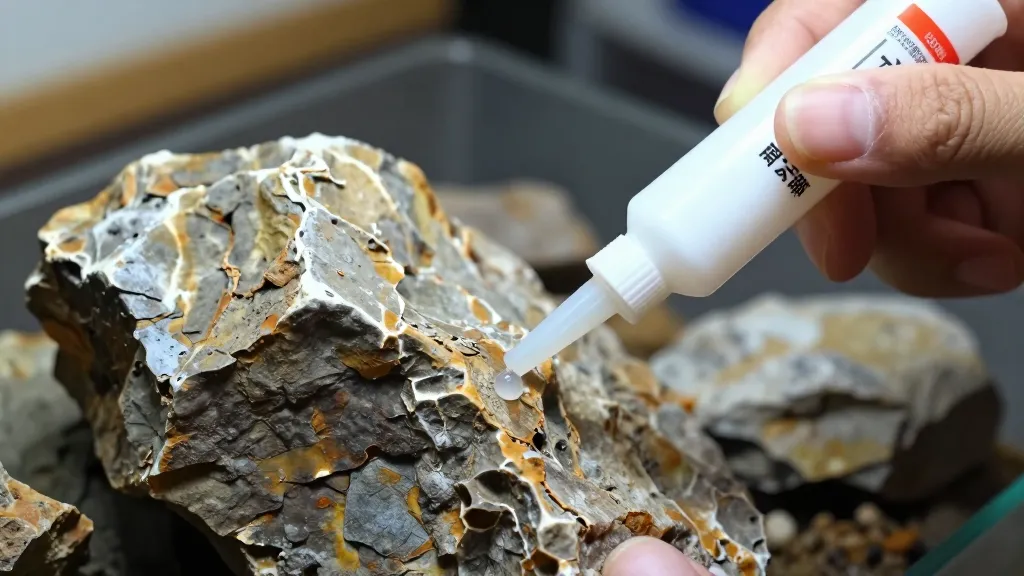
Begin by selecting the rocks you wish to attach and ensure they are clean and dry. A clean surface allows the superglue to bond effectively. If the rocks are rough or porous, you may need to lightly sand them to improve adhesion. Once prepared, take one rock and apply a small amount of superglue to its surface. Use a fine-tipped applicator or a cigarette filter to control the amount and reach tight spaces.
- Apply a small amount of superglue to the surface of the rock.
- Press the rocks together firmly and hold them in place for a few seconds.
- Allow the glue to cure fully before adding water to the tank.
- Use a cigarette filter for precise application and to avoid over-saturation.
- Ensure the rocks are clean and dry before applying glue.
- Avoid moving the rocks during the curing process to prevent weak bonds.
Next, press the second rock firmly against the first, ensuring that the glue covers the contact area. Hold the rocks in place for a few seconds to allow the glue to start setting. Avoid moving the rocks during this time to prevent the glue from sliding or forming weak bonds. The pressure ensures that the glue fills any gaps and creates a solid connection between the rocks.
Tips for Long-Term Stability of Glued Rocks
Ensuring the long-term stability of glued aquascape rocks requires careful attention to both the adhesive used and the environment in which it is applied. While superglue offers a strong bond, its longevity in an aquarium depends on proper application and maintenance. By following specific practices, aquascapers can preserve the integrity of their rock structures and avoid potential issues such as glue degradation or structural failure.
How to Prevent Glue From Dissolving in the Tank
To prevent superglue from dissolving in the tank, it is crucial to use a non-toxic, aquarium-safe superglue that is specifically formulated for underwater use. Regular superglue can degrade over time when exposed to water, leading to weakened bonds and potential rock displacement. Applying only a small amount of glue ensures a strong bond without excess that could dissolve, reducing the risk of contamination and maintaining water quality.
Maintaining the Integrity of Glued Rock Structures
Regularly checking the bond after a few weeks is an essential step in maintaining the stability of glued rocks. Over time, factors such as water flow, fish activity, and physical disturbances can stress the bond, potentially causing rocks to shift or break free. Inspecting the structure periodically allows aquascapers to identify and address any issues before they escalate. If any signs of weakness are observed, reinforcing the bond with additional glue or adjusting the layout can help preserve the desired aesthetic and functionality of the aquascape.
Common Mistakes and How to Avoid Them
One of the most common mistakes when using superglue for aquascape rocks is applying it to the entire surface. This can lead to the glue dissolving over time due to exposure to water, weakening the bond and potentially causing the rocks to shift. To avoid this, apply glue only to specific areas where the rocks will touch, such as the base or joints. This creates a strong, targeted bond without risking the integrity of the entire structure.
- Avoid applying glue to the entire surface of the rock to prevent it from dissolving.
- Never use superglue in the water until it has fully cured.
- Use a steady hand and avoid moving the rocks while the glue is setting.
- Clean the rock surfaces thoroughly before applying glue for better adhesion.
- Use a cigarette filter for precise application and control.
- Allow the glue to cure in a dry, well-ventilated area before placing the rocks in the tank.
Another frequent error is using superglue in the water before it has fully cured. Superglue requires time to harden, and submerging it too early can cause the adhesive to dissolve, leading to a failed bond. Always allow the glue to cure completely in a dry environment before placing the rocks into the aquarium. This ensures the adhesive reaches its full strength and remains stable in the aquatic environment.
Lastly, many aquascapers rush the process by moving the rocks too soon after applying glue. This can disrupt the bonding process and result in a weak or unstable structure. To prevent this, use a steady hand and avoid disturbing the rocks while the glue is setting. Allow the adhesive to cure undisturbed for the recommended time, ensuring a secure and long-lasting bond.
Frequently Asked Questions
Is superglue safe for use in an aquarium?
Superglue is generally safe for aquarium use when applied correctly. It is water-resistant and durable, but it should not be used in areas where it may come into contact with fish or filter systems.
Can I use cyanoacrylate to attach rocks in my planted tank?
Yes, cyanoacrylate (superglue) can be used to attach rocks in a planted tank. It is a popular choice for aquascaping due to its strength and quick curing time.
How long does superglue take to cure in an aquarium?
Superglue typically takes 24 to 48 hours to fully cure in an aquarium. It is recommended to wait at least 24 hours before adding fish to ensure the bond is secure.
What can I use instead of a cigarette filter for applying superglue?
If you don't have a cigarette filter, you can use a small brush, toothpick, or a piece of plastic to apply superglue. These tools help control the amount of glue and ensure precise placement.
Final Thoughts
Superglue is a reliable option for gluing aquascape rocks, offering durability and ease of use. However, proper application and curing time are essential for long-term stability.
Before using superglue, ensure it is aquarium-safe and apply it carefully. For the best results, follow the steps outlined and maintain your aquascape with care.