If you're setting up a planted freshwater aquarium, you've probably encountered the challenge of tannin staining from driftwood. Tannins, naturally occurring compounds from decaying wood, can discolor water and affect water clarity, making your tank less visually appealing. The question of whether to boil or soak driftwood to stop tannins is a common concern among hobbyists. Both methods aim to reduce tannin levels, but each has its own pros and cons. In this guide, we’ll explore the differences between boiling and soaking, and how to use these techniques effectively to improve water quality in your aquarium.
Understanding Tannins and Their Impact on Your Aquarium
Tannins are organic compounds naturally present in driftwood that can significantly impact the water chemistry and aesthetics of your aquarium. While driftwood is a popular choice for adding natural beauty and structure to planted tanks, its tannin content can lead to water discoloration, reduced clarity, and pH fluctuations. Understanding how tannins affect your aquatic environment is essential to maintaining a healthy and visually appealing tank.
What Are Tannins and Where Do They Come From?
Tannins are complex polyphenolic compounds derived from the decomposition of plant material, including the wood of trees and shrubs. Driftwood, often collected from rivers, lakes, or coastal areas, contains these tannins as a byproduct of natural decay. Over time, these compounds leach into the water, staining it and altering its chemical properties. The degree of tannin release depends on the type of wood and its age, with older driftwood typically releasing more tannins than younger pieces.
Why Tannin Removal Is Important for Your Tank
Tannin accumulation in an aquarium can lead to several problems, including water discoloration, reduced light penetration, and a decrease in pH levels. These changes can stress fish and aquatic plants, particularly those that are sensitive to water chemistry fluctuations. Additionally, tannins may interfere with the effectiveness of certain medications and supplements, complicating disease treatment and nutrient management. To ensure a stable and healthy environment, it is crucial to treat driftwood before adding it to your tank to mitigate these potential issues.
Boiling Vs. Soaking: Which Method Is Better?
When deciding between boiling and soaking driftwood, the choice depends on the type and size of the wood, as well as the time you can dedicate to the process. Both methods aim to reduce tannins, but their effectiveness and impact on the driftwood vary significantly.
Boiling Driftwood: Fast but Potentially Destructive
Boiling driftwood is a quick method that can remove most tannins in a short amount of time. However, this approach may not be suitable for all types of driftwood, as some species are more sensitive to heat and can break down or lose structural integrity during the process. While boiling is effective for smaller pieces, it can lead to splintering or degradation of larger or more delicate wood, which may affect its appearance and longevity in the aquarium.
Soaking Driftwood: A Time-Tested Solution
Soaking driftwood is a slower but more thorough method, often preferred for larger pieces or when a more gradual tannin removal is needed. This method involves submerging the wood in water for several weeks, allowing tannins to leach out naturally over time. While soaking requires patience, it is generally less damaging to the wood's structure, making it ideal for preserving the aesthetic qualities of the driftwood. Water changes during the soaking process help maintain water quality and speed up the tannin removal process without compromising the wood's integrity.
How to Boil Driftwood Effectively
Boiling driftwood is a straightforward method to remove tannins, but it requires attention to equipment and timing to ensure effectiveness without damaging the wood.
Boiling Equipment and Setup
To begin boiling driftwood, select a large pot with a wide opening to accommodate the wood and allow for even heat distribution. Ensure the pot is made of heat-resistant material, such as stainless steel or enamel-coated cast iron, to prevent chemical reactions with the wood. Place the driftwood in the pot and add enough water to fully submerge it, leaving about an inch of space at the top to avoid overflow.
Boiling Time and Water Clarity
Once the water is boiling, reduce the heat to a simmer and let the driftwood cook for at least one hour. During this time, tannins will gradually leach into the water, giving it a tea-like color. Check the water every 15 to 30 minutes by observing its color and clarity. Continue boiling until the water runs clear and no more tannin is released. This process may take several hours, depending on the size and density of the driftwood.
How to Soak Driftwood for Tannin Removal
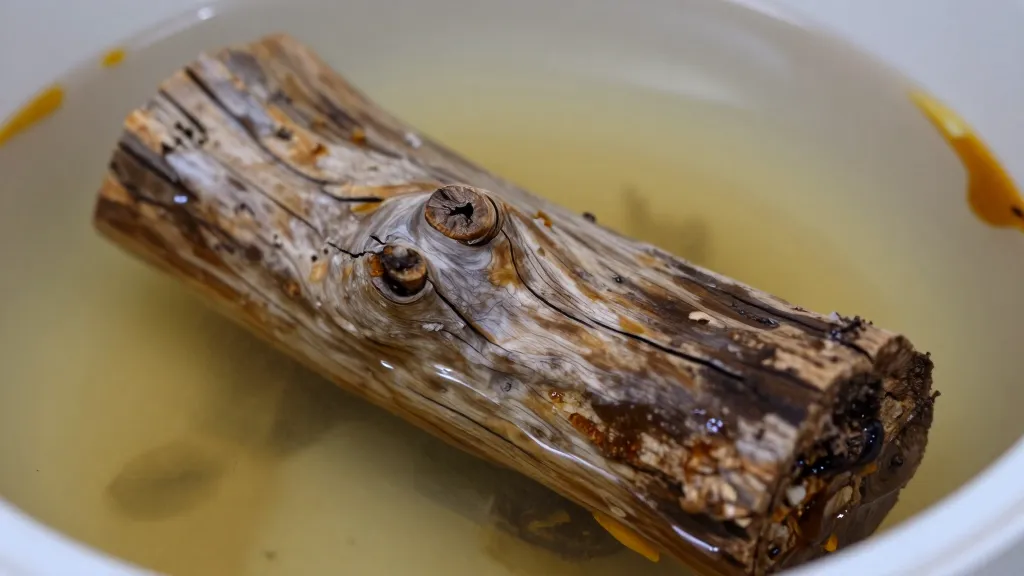
Soaking driftwood is a reliable method to reduce tannin levels before adding it to your aquarium. This process involves submerging the wood in water and allowing it to release tannins gradually over time. While soaking requires patience, it is generally less damaging to the wood compared to boiling, making it a preferred option for many hobbyists.
Soaking Setup and Duration
To begin soaking driftwood, place it in a large container filled with dechlorinated water. The container should be spacious enough to allow the wood to float freely and prevent overcrowding. A typical soaking duration ranges from 1 to 2 weeks, though some hobbyists may extend this period for greater tannin reduction. The exact time may vary depending on the density and type of driftwood used.
Water Changes During Soaking
During the soaking process, it is essential to change the water regularly to remove accumulated tannins. Replace the water every few days to ensure that the tannins do not build up and affect water quality. Monitor the water for discoloration, which indicates that tannins are still being released. If the water remains cloudy or has a strong tannin smell, extend the soaking period. Once the water clears and the wood appears lighter, it is generally ready for use in your aquarium.
Alternatives and Complementary Treatments
When dealing with tannins in driftwood, there are alternative and complementary treatments that can be used alongside boiling or soaking to enhance water clarity and reduce staining. These methods are particularly useful for those who may not have the time or resources to fully process the driftwood before adding it to the aquarium.
Using Purigen to Remove Tannins
Purigen is a specialized resin designed to absorb tannins and other organic compounds from the water. It works by binding to tannins, effectively removing them from the water column without altering the pH or mineral content. This makes Purigen an excellent choice for aquarists who want to maintain stable water conditions while still addressing tannin buildup. It is especially effective when used in conjunction with boiling or soaking, as it can catch any residual tannins that may leach out over time.
Activated Carbon as an Alternative
Activated carbon is another popular option for removing tannins and other impurities from aquarium water. It functions by adsorbing organic compounds, including tannins, onto its surface. While activated carbon is effective, it requires regular replacement and may not be as efficient at removing tannins as Purigen. However, it can be used in combination with other methods to provide a more comprehensive approach to tannin removal. Activated carbon is also beneficial for removing other contaminants, making it a versatile tool in the aquarist's toolkit.
Frequently Asked Questions
Can I use boiling to remove tannins from all types of driftwood?
Boiling is effective for many types of driftwood, but it can damage porous or soft woods. Harder woods may require soaking instead.
How long should I soak driftwood to remove tannins effectively?
Soaking for 1 to 4 weeks is typical, with frequent water changes. The time depends on the driftwood type and water clarity.
Is Purigen a better option than boiling for tannin removal?
Purigen is efficient for removing tannins but doesn't fully eliminate them. Boiling is more thorough but can be harsh on delicate driftwood.
What should I do if the water remains cloudy after treating driftwood?
Use activated carbon or continue soaking. If the water remains cloudy, consider replacing the driftwood or using a tannin remover like Purigen.
Final Thoughts
Choosing between boiling and soaking depends on your driftwood type and tank setup. Both methods help remove tannins, but each has its pros and cons.
After treatment, monitor water clarity and adjust as needed. Consider using Purigen or activated carbon for extra tannin removal.