Setting up your canister filter media correctly is essential for maintaining a healthy freshwater planted tank. A common challenge for beginners is determining the right canister filter media setup order, which can significantly impact water clarity and biological balance. Understanding how to arrange mechanical sponge and bio rings properly ensures efficient filtration and long-term tank stability. This article provides clear, actionable guidance to help you master the correct sequence and setup for your canister filter media. Whether you're new to aquariums or looking to refine your setup, this guide will equip you with the knowledge to achieve optimal water quality. By following the steps outlined here, you can avoid common mistakes and create a thriving aquatic environment. The correct media order is the foundation of a well-functioning canister filter system, making it a critical step in your aquarium maintenance routine.
Understanding Canister Filter Media Setup Order
The order of media in a canister filter plays a crucial role in maintaining water clarity and supporting biological filtration. A well-structured media setup ensures that mechanical and biological processes work efficiently together, contributing to a healthier aquatic environment.
What Is the Purpose of Canister Filter Media?
Canister filter media serves multiple functions, including mechanical, chemical, and biological filtration. Mechanical media, such as sponges, physically trap debris and particulate matter, while biological media, like bio rings, provide surfaces for beneficial bacteria to colonize. Chemical media, if used, can remove toxins or heavy metals. Each type of media contributes uniquely to the overall filtration process, making it essential to select and arrange them appropriately.
Why the Order Matters in a Canister Filter
The order in which media is arranged significantly impacts the efficiency of the filtration system. Mechanical media should be placed first to capture larger particles and prevent clogging of subsequent layers. Placing biological media, such as bio rings, after mechanical media allows beneficial bacteria to thrive without being overwhelmed by debris. This layered approach ensures that each media type performs its role effectively, maintaining water quality and supporting the nitrogen cycle. A poorly arranged media setup can lead to reduced efficiency, increased maintenance, and potential harm to aquatic life.
How to Set Up Canister Filter Media in the Correct Order
Setting up your canister filter media correctly is essential for maintaining water quality and preventing clogs. By following a specific order, you ensure that each layer functions optimally, supporting both mechanical and biological filtration. This section outlines the proper sequence and techniques for arranging your media efficiently.
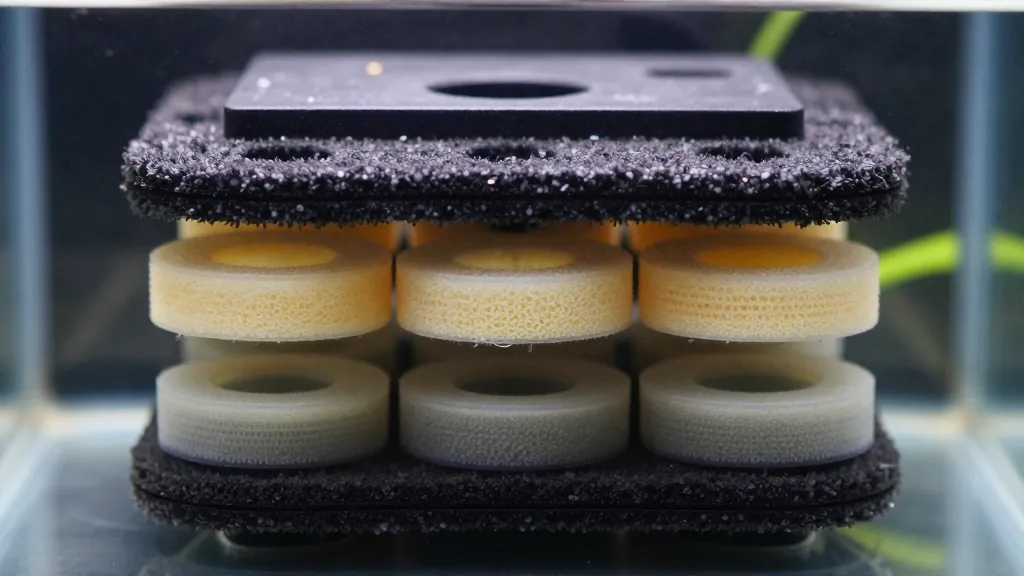
- Start with a mechanical sponge or foam to trap large particles and debris.
- Add a second mechanical media layer to catch finer particles and prevent clogging of subsequent layers.
- Place bio rings or ceramic rings next to establish a biological filtration bed.
- Use a media basket or compartment to organize different layers and improve accessibility.
Step-by-Step Media Setup for a Can-ister Filter
Begin by installing the mechanical sponge or foam at the top of the canister filter. This layer captures large particles like fish waste and uneaten food, preventing them from reaching the biological media. It also helps protect the biological filtration layers from physical damage and clogging.
After the mechanical media, add a second mechanical layer such as a fine mesh or activated carbon. This ensures that even smaller debris is trapped, maintaining water clarity and prolonging the life of the biological media. This step is crucial for preventing fine particles from bypassing the filtration system.
Tips for Packing and Organizing Media
Position the bio rings or ceramic rings below the mechanical layers to create a biological filtration bed. These media provide a surface for beneficial bacteria to colonize, supporting the nitrogen cycle and breaking down harmful toxins. Ensure the bio media is loosely packed to allow water flow and prevent dead zones.
Use a media basket or compartment to separate and organize different layers. This not only simplifies maintenance but also ensures each media type is in the correct position. A well-organized setup allows for easy access during cleaning and reduces the risk of misplacing media layers.
The Role of Mechanical Sponge in Canister Filter Media
The mechanical sponge is a critical component in a canister filter's media setup. It acts as the first line of defense against physical debris, ensuring that water entering the biological media is free from particulate matter. This role makes it essential to position the sponge correctly and maintain it regularly to preserve filter efficiency and water clarity.
How a Mechanical Sponge Improves Water Clarity
A mechanical sponge improves water clarity by trapping fine particles such as uneaten food, fish waste, and plant debris. These particles, if left unchecked, can cloud the water and clog the biological media, reducing the effectiveness of the filter. By capturing these contaminants at the top of the canister, the sponge prevents them from reaching the bio rings, which are responsible for breaking down harmful substances. This separation ensures that the biological media remains functional and the water stays clear and healthy.
Maintaining Your Mechanical Sponge for Optimal Performance
Maintaining your mechanical sponge is crucial for long-term filter performance. Regular cleaning or replacement prevents the sponge from becoming a breeding ground for bacteria and algae, which can compromise water quality. However, it's important to avoid overloading the sponge with debris, as this can restrict water flow and reduce its effectiveness. A high-quality sponge made from materials that resist bacterial growth and clogging will ensure that it performs optimally for longer. Always check the sponge during routine filter maintenance to ensure it is in good condition and free from blockages.
The Importance of Bio Rings in Canister Filter Setup
Bio rings are a vital component of a canister filter setup, playing a key role in supporting biological filtration. These media provide a surface for beneficial bacteria to colonize, which is essential for breaking down harmful ammonia and nitrites in the water. Proper placement and maintenance of bio rings ensure that this process remains efficient and effective, contributing to a healthier aquatic environment.
How Bio Rings Support Biological Filtration
Bio rings, such as ceramic rings or bio balls, create a large surface area for nitrifying bacteria to thrive. These bacteria convert toxic ammonia into less harmful nitrites and then into nitrates, a critical step in maintaining water quality. By placing bio rings after the mechanical sponge, you allow the bacteria to establish themselves without being disturbed by physical debris, ensuring a stable and efficient biological filtration system.
Cleaning and Maintaining Bio Rings Without Destroying Beneficial Bacteria
Regular cleaning of bio rings is necessary to prevent clogging from silt or debris, but it must be done carefully to avoid harming the bacterial colonies. A gentle rinse with dechlorinated water can remove buildup while preserving the beneficial bacteria. Over-cleaning or using harsh chemicals can disrupt the bacterial population, so it's important to maintain a balance between cleanliness and biological function. Keeping bio rings out of silt and debris ensures they remain effective over time.
Common Mistakes and How to Avoid Them
Incorrect media order in a canister filter can lead to inefficiencies, poor water quality, and even harm to aquatic life. Understanding the most common mistakes and how to correct them is essential for maintaining a healthy planted tank. Proper setup ensures optimal filtration, prevents clogging, and supports the biological processes that keep your tank balanced.
Common Media Order Errors in Canister Filters
One of the most frequent errors is placing bio rings before the mechanical sponge. This can cause the sponge to become clogged with debris, reducing its ability to trap particulates. Additionally, bio rings may become overloaded with organic matter, leading to anaerobic zones that release harmful gases. Always position the mechanical sponge first to ensure it can effectively capture solids before they reach the biological media.
How to Fix Poor Media Setup and Improve Tank Health
Overpacking media is another common mistake that restricts water flow and reduces filter efficiency. When media is packed too tightly, it creates resistance that can slow down the filtration process and lead to dead zones where bacteria cannot thrive. To avoid this, ensure each layer is loosely packed and allow space for water to circulate freely. Regular maintenance, such as cleaning the mechanical sponge and rinsing bio rings, will also help prevent clogging and maintain optimal performance. By correcting these issues, you can significantly improve tank health and water clarity.
Frequently Asked Questions
Can I place bio rings before the mechanical sponge in a canister filter?
No, bio rings should be placed after the mechanical sponge. This ensures that physical debris is removed first, preventing clogging of the biological media.
How often should I clean the mechanical sponge in my canister filter?
Clean the mechanical sponge every 1-2 weeks, depending on tank load and water conditions. Rinse it gently in tank water to avoid disrupting beneficial bacteria.
What are the consequences of mixing up the media order in a canister filter?
Mixing up media order can reduce filtration efficiency, clog biological media, and lead to poor water quality. It may also harm aquatic life by increasing stress and disease risk.
Are there any alternatives to bio rings for biological filtration in a canister filter?
Alternatives include ceramic rings, bio balls, and sponge media. These provide surface area for beneficial bacteria. Choose based on filter size and tank requirements.
Final Thoughts on Media Setup
Correct media order in a canister filter is essential for efficient mechanical and biological filtration. Placing the mechanical sponge first ensures debris is removed before biological media is clogged.
To maintain optimal performance, regularly clean the sponge and avoid disturbing bio rings. Always follow the recommended setup order to support tank health and water quality.