Ammonia spikes in aquasoil during the first month can be a major challenge for new aquarists, leading to stress for fish and algae blooms. The aquasoil ammonia spike first month is a common issue that arises as the ecosystem stabilizes, often due to decomposing organic matter and nitrogen cycling. Understanding the causes and implementing proactive strategies is key to maintaining water quality. This article provides practical guidance on identifying and managing ammonia spikes, from the initial setup phase through to long-term maintenance.
We'll explore the factors contributing to ammonia spikes, such as the dark start method, and how it helps reduce nitrogen buildup. You'll also learn about the importance of frequent water changes and the best practices for maintaining clean water. Additionally, we'll cover how to transition from a dark start to normal lighting and the role of monitoring in preventing future spikes.
By following these steps, you can create a stable and healthy aquasoil environment. Whether you're setting up a water garden or a home aquarium, the right approach to managing ammonia spikes will help you avoid common pitfalls and enjoy clearer, safer water for your aquatic life.
Understanding Ammonia Spikes in Aquasoil
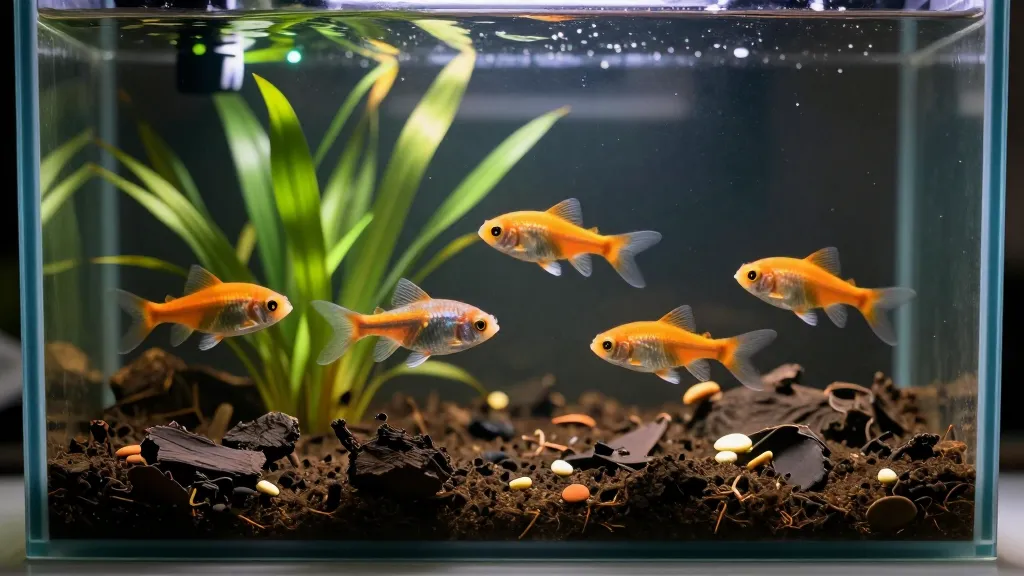
Ammonia spikes in aquasoil are a common challenge during the first month of setting up a water garden or home aquarium, often linked to the nitrogen cycle and nutrient release from the substrate. As the aquasoil begins to break down organic matter, it can produce high levels of ammonia, which can be harmful to aquatic life if not addressed. Understanding the causes and solutions for these spikes is essential for maintaining a healthy and stable aquatic environment.
What Causes Ammonia Spikes in Aquasoil?
Ammonia spikes in aquasoil are primarily caused by the breakdown of organic material within the substrate. As the soil decomposes, it releases nitrogen compounds, including ammonia, into the water. This process is accelerated in the first month due to the initial decomposition of plant matter and the establishment of beneficial bacteria. Without proper management, these ammonia levels can quickly rise, posing a risk to fish and aquatic plants. The nitrogen cycle, which relies on bacteria to convert ammonia into less harmful substances, is still in its early stages during this period, making the system vulnerable to spikes.
How the Dark Start Method Helps Reduce Ammonia
The dark start method is a widely used technique to mitigate ammonia spikes during the first month. This approach involves keeping the aquarium in darkness for the initial weeks, which reduces the amount of light available for algae growth and limits the rate at which nutrients are released from the aquasoil. By minimizing light exposure, the dark start helps control ammonia levels and gives the beneficial bacteria time to establish without the added stress of excess nutrients. Once the system stabilizes, transitioning to normal lighting conditions is typically recommended to support plant growth and maintain water quality.
The Role of Frequent Water Changes
Frequent water changes are a critical tool in managing ammonia spikes during the first month of aquasoil setup. By regularly replacing a portion of the water, you dilute accumulated ammonia and maintain stable water parameters, which is essential for the health of your aquatic life. This practice is especially important in the early stages when biological filtration is still developing and the system is more vulnerable to chemical imbalances.
How Often Should You Do Water Changes?
In the first month, it is recommended to perform water changes at least once a week, ideally every 3 to 5 days depending on the intensity of the setup and the number of fish. The exact frequency may vary based on the amount of organic waste produced and the efficiency of the biological filtration. A general guideline is to change 10-20% of the total volume each time, ensuring that ammonia levels are consistently reduced without causing sudden fluctuations in other water parameters.
Best Practices for Performing Water Changes
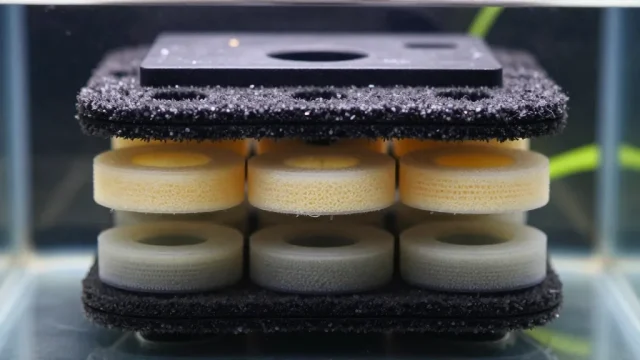
When performing water changes, always use dechlorinated water to avoid introducing harmful chemicals such as chlorine or chloramine, which can be toxic to fish and invertebrates. It is also important to match the temperature and pH of the new water with the existing tank water to prevent thermal or chemical shock. Additionally, during water changes, it is advisable to clean the sump or filtration media gently to remove debris without disrupting the beneficial bacteria that are establishing themselves in the aquasoil.
Implementing a Dark Start Approach
Implementing a dark start approach is a proactive strategy to manage ammonia spikes in aquasoil during the first month. By limiting light exposure, this method helps control algae growth and reduces the nitrogen load, which in turn supports the development of beneficial bacteria that break down ammonia.
Why a Dark Start Is Effective for Ammonia Control
A dark start is effective for ammonia control because it minimizes the photosynthetic activity of algae, which can otherwise contribute to nitrogen cycling and increase ammonia levels. Without light, algae are unable to thrive, reducing the overall nitrogen load in the system. This allows beneficial bacteria, which are essential for ammonia breakdown, to establish themselves more effectively without competition from rapid algae growth.
When to Transition From Dark Start to Normal Lighting
The transition from a dark start to normal lighting should occur gradually to avoid overstimulating algae and fish. Typically, after the first 2 to 4 weeks, you can begin introducing low-intensity lighting, increasing it slowly over the next few weeks. This gradual approach ensures the ecosystem stabilizes without triggering a sudden algae bloom or ammonia spike. Monitoring water parameters during this transition is crucial to assess the impact and make necessary adjustments.
Monitoring Ammonia Levels and Water Parameters
Regular testing of ammonia, nitrite, and pH levels is essential for early detection of spikes and maintaining a stable aquasoil environment. Consistent monitoring allows for timely adjustments, ensuring the health of aquatic life and preventing potential water quality issues.
What Water Parameters to Monitor
During the first month, focus on testing ammonia, nitrite, and pH levels. Ammonia and nitrite should ideally be at 0 ppm, as even small spikes can be harmful to fish and invertebrates. pH levels should be stable and within the recommended range for the specific aquatic species being kept. Regular testing helps identify fluctuations before they escalate into full-blown problems.
How to Interpret Test Results
Interpreting test results requires attention to detail and understanding of normal ranges. If ammonia or nitrite levels rise above 0 ppm, immediate action is necessary, such as increasing water changes or adjusting feeding practices. pH fluctuations can indicate underlying issues, like improper cycling or overstocking. Keeping a log of test results can help track trends and make informed decisions about maintenance routines.
Long-Term Strategies to Prevent Ammonia Spikes
Long-term strategies are essential for maintaining a balanced aquasoil environment and preventing future ammonia spikes. By focusing on consistent maintenance, proper feeding, and biological support, hobbyists can ensure stable water conditions and a thriving ecosystem.
How to Maintain a Stable Aquasoil Environment
Establishing a mature aquasoil bed is key to long-term stability. Over time, beneficial bacteria colonize the substrate, breaking down organic waste and converting ammonia into less harmful compounds. This natural biological filtration reduces the likelihood of sudden spikes. Regular monitoring of water parameters and gradual introduction of new elements help maintain this balance.
The Importance of Proper Feeding in Aquasoil
Proper feeding habits play a critical role in preventing ammonia spikes. Overfeeding can overwhelm the biological filtration system, leading to excess ammonia buildup. Feed only what the inhabitants can consume within a few minutes, and avoid frequent, large meals. Using high-quality, nutrient-dense food also minimizes waste, supporting a healthier, more efficient ecosystem.
Frequently Asked Questions
What causes ammonia spikes in aquasoil during the first month?
Ammonia spikes in aquasoil during the first month are typically caused by the breakdown of organic matter, overfeeding, or insufficient bacterial colonization. The dark start method helps reduce ammonia by limiting light and organic input, allowing beneficial bacteria to establish without interference.
How often should I do water changes to prevent ammonia spikes?
During the first month, frequent water changes are recommended, ideally every 2 to 3 days. This helps dilute ammonia and maintain stable water parameters. Always use dechlorinated water and monitor ammonia levels closely.
Is a dark start necessary for aquasoil cycling?
A dark start is highly recommended for aquasoil cycling as it minimizes light exposure, which reduces organic input and allows bacterial colonies to develop more effectively. This method significantly helps in preventing ammonia spikes during the initial phase.
What should I do if I notice a sudden ammonia spike in my aquasoil?
If you notice a sudden ammonia spike, perform an immediate partial water change using dechlorinated water. Avoid feeding the tank temporarily to reduce organic waste. Check for signs of overfeeding or excess debris and adjust accordingly.
Final Thoughts
Managing ammonia spikes in aquasoil during the first month requires proactive steps like frequent water changes, a dark start approach, and careful monitoring. These practices help establish a stable environment for beneficial bacteria.
To maintain long-term stability, focus on proper feeding, regular water testing, and gradual transition to normal lighting. Consistency in maintenance ensures a healthy and thriving aquasoil ecosystem.