Surface biofilm can be a frustrating issue for planted tank enthusiasts, clouding the water and affecting the overall health of your aquatic ecosystem. Preventing surface biofilm in planted tanks is essential to maintaining clear water and a thriving environment for your plants and fish. Biofilm forms when organic matter accumulates on surfaces, creating a slimy layer that can be difficult to remove. Understanding the causes and implementing effective strategies is key to long-term success.
This article explores practical methods to stop surface biofilm from forming, including the role of surface agitation, the use of a lily pipe skimmer, and optimizing water circulation and filtration. Each section provides actionable steps to help you manage and prevent biofilm buildup in your planted tank.
By focusing on water quality, nutrient balance, and the right equipment, you can significantly reduce the occurrence of surface biofilm. Whether you're a beginner or an experienced hobbyist, these strategies will help you maintain a clean, clear, and healthy planted tank environment.
Understanding Surface Biofilm in Planted Tanks
Surface biofilm is a common issue in planted tanks that can impact both aesthetics and water quality. Understanding its nature and causes is essential for effective prevention and maintenance of a healthy aquatic environment.
What Is Surface Biofilm and Why It Matters
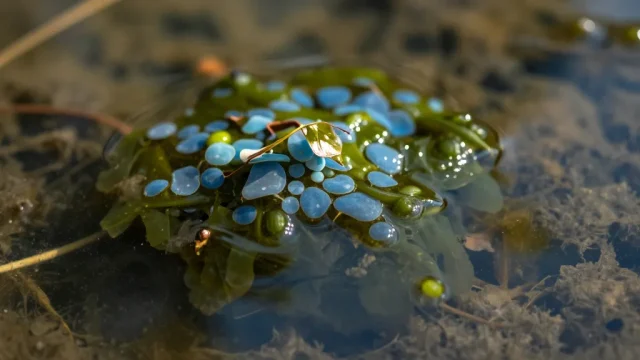
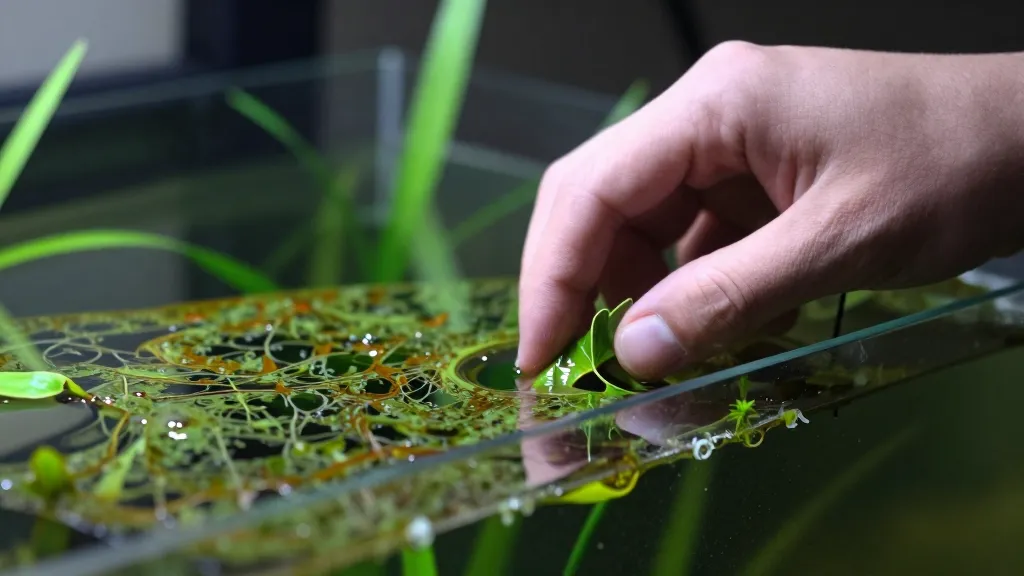
Surface biofilm refers to a thin, often invisible layer of microorganisms that can accumulate on the water surface. These microorganisms include bacteria, algae, and other organic matter that form a dense, sticky film. While biofilm is a natural part of aquatic ecosystems, excessive buildup can lead to unsightly cloudiness and disrupt the visual appeal of a planted tank. Moreover, biofilm can contribute to nutrient imbalances and affect the overall health of aquatic plants and fish by reducing water clarity and oxygen availability.
Common Causes of Biofilm Formation
Poor water circulation is one of the primary causes of biofilm formation. When water movement is inadequate, organic debris and nutrients can settle on the surface, creating an ideal environment for biofilm to develop. High organic load, often due to overfeeding or decaying plant matter, further exacerbates the problem by providing a rich food source for microorganisms. Additionally, insufficient mechanical filtration can allow particulate matter to accumulate, contributing to the formation of biofilm. Addressing these factors is crucial for maintaining a clean and balanced planted tank environment.
The Role of Surface Agitation in Biofilm Prevention
Surface agitation plays a crucial role in preventing the buildup of surface biofilm in planted tanks by disrupting the conditions that allow biofilm to form. By creating movement at the water's surface, agitation helps to prevent the accumulation of organic matter and nutrients that feed biofilm colonies. This process also promotes the exchange of gases between the water and the atmosphere, enhancing oxygen levels and supporting the health of aquatic life.
How Surface Agitation Works
Surface agitation works by introducing movement into the water column, which prevents the settling of organic particles and debris on the surface. This movement disrupts the formation of biofilm by reducing the availability of nutrients and oxygen for its growth. Additionally, agitation helps to distribute oxygen throughout the tank, which is essential for the survival of beneficial bacteria that break down organic waste. The continuous motion also prevents the formation of stagnant zones where biofilm can thrive.
Choosing the Right Agitation Method
Choosing the right agitation method depends on the size of the tank, stocking density, and type of plants present. In smaller tanks with moderate stocking, a simple air stone or a gentle spray bar can provide sufficient surface movement without causing stress to fish or plants. For larger tanks or those with heavy plant growth, a lily pipe skimmer or a more powerful circulation pump may be necessary to ensure thorough agitation. It is important to avoid excessive agitation, which can lead to increased stress for aquatic organisms and disrupt the natural balance of the ecosystem.
Using a Lily Pipe Skimmer for Surface Biofilm Control
A lily pipe skimmer is a simple yet effective tool for managing surface biofilm in planted tanks. By removing organic debris and surface film, it helps maintain water clarity and reduce the buildup of harmful substances. This device operates by creating a controlled vortex that draws contaminants into the skimmer, making it an essential part of a broader biofilm prevention strategy.
How a Lily Pipe Skimmer Works
A lily pipe skimmer works by creating a small, continuous vortex at the water’s surface. This vortex is generated when water flows through the skimmer’s narrow opening, pulling floating particles such as algae, detritus, and biofilm into the skimmer. The design mimics the natural movement of water around lily plants, making it efficient and unobtrusive in a planted tank setup. The skimmer’s effectiveness depends on consistent water flow and the size of the opening, which should be adjusted to suit the tank’s volume and biofilm levels.
Installation and Maintenance Tips
Proper installation is crucial for the skimmer to function efficiently. It should be placed near the water’s surface, ideally in an area with moderate water movement to ensure optimal vortex formation. Connecting the skimmer to a siphon or pump system allows for continuous operation and prevents manual intervention. Regular maintenance, such as cleaning the skimmer and checking for clogs, ensures it continues to remove debris effectively. Clogs can reduce performance and lead to the accumulation of biofilm, so routine inspection and cleaning are essential for long-term success.
Improving Water Circulation and Filtration
Effective water circulation and filtration are essential for maintaining a balanced planted tank environment. By ensuring consistent water movement and efficient waste removal, you can significantly reduce the risk of surface biofilm buildup. A well-designed filtration system not only enhances water clarity but also supports the overall health of aquatic plants and fish.
Optimizing Water Circulation
Good water circulation helps prevent surface biofilm by continuously moving water across the tank, reducing stagnation where algae and bacteria can accumulate. Placing filters near the surface or using a sponge filter can help distribute water more evenly, especially in tanks with heavy plant growth. Regularly checking for dead zones in the tank and adjusting flow patterns can further enhance circulation and prevent biofilm from forming in overlooked areas.
Choosing the Right Filter System
A canister filter with mechanical and biological media is an excellent choice for removing debris and processing waste in planted tanks. The mechanical media traps particulate matter, while the biological media supports beneficial bacteria that break down organic waste. When selecting a filter, ensure it has sufficient capacity for the tank size and includes both types of media to maximize efficiency. Avoid filters that rely solely on chemical additives, as they can disrupt the natural balance of the ecosystem.
Regular maintenance of your filtration system is crucial for long-term performance. Clean or replace mechanical media as needed to prevent clogging, which can reduce water flow and compromise filtration efficiency. Biological media should be cleaned carefully to avoid damaging the beneficial bacteria that help maintain water quality. By keeping your filter system in good working condition, you can effectively control surface biofilm and support a healthy, thriving planted tank.
Maintaining Water Quality and Preventing Biofilm
Maintaining optimal water quality is crucial for preventing surface biofilm in planted tanks. By ensuring stable and balanced conditions, you can reduce the likelihood of biofilm formation and promote a healthier aquatic environment.
Testing and Adjusting Water Parameters
Regular water testing for ammonia, nitrite, and nitrate levels is essential for preventing biofilm. These compounds are byproducts of biological processes and can accumulate if not properly managed. High levels of ammonia and nitrite are toxic to aquatic life and can create conditions that encourage biofilm growth. Testing frequency should be consistent, with adjustments made based on the results to maintain a safe and stable environment.
Nutrient Management for Water Clarity
Proper nutrient management is vital for maintaining water clarity and reducing biofilm formation. Excess nutrients, such as nitrates and phosphates, can fuel algae and biofilm growth. Using fertilizers wisely and avoiding overfeeding fish helps maintain a balanced nutrient profile. Additionally, water conditioners can remove chlorine and chloramine, which may otherwise contribute to biofilm development. Monitoring pH and temperature also plays a role in creating conditions that discourage biofilm proliferation.
Frequently Asked Questions
How often should I clean my lily pipe skimmer?
Clean your lily pipe skimmer every 1-2 weeks to prevent clogging and maintain efficiency. Regular cleaning ensures optimal performance and helps reduce surface biofilm buildup.
What are the best ways to increase surface agitation in my planted tank?
Use a powerhead, airstone, or surface skimmer to increase surface agitation. These methods help break up biofilm and improve oxygenation, promoting a healthier tank environment.
Can a lily pipe skimmer completely eliminate surface biofilm?
A lily pipe skimmer can significantly reduce surface biofilm but may not eliminate it entirely. Regular maintenance and other techniques are needed for complete control.
What should I do if I notice a thin film on the surface of my tank?
Use a siphon or scraper to remove the film and check for nutrient imbalances. Regular water changes and proper filtration can help prevent future buildup.
Final Thoughts
Preventing surface biofilm in planted tanks requires a combination of surface agitation, filtration, and regular maintenance. A lily pipe skimmer, along with proper water circulation, can help keep your tank clean and healthy.
Start by assessing your current setup and making adjustments based on the article's recommendations. Regular monitoring and maintenance will ensure long-term success in managing surface biofilm.