Setting up a planted aquarium can be a rewarding experience, but it requires careful attention to the nitrogen cycle to ensure a healthy environment for both plants and fish. The process of how to cycle a planted aquarium is essential for establishing the right balance of nutrients and beneficial bacteria that support thriving aquatic life. Without proper cycling, ammonia and nitrite levels can spike, harming your fish and stunting plant growth. This article provides a clear, step-by-step guide to cycling your planted aquarium, covering everything from understanding the nitrogen cycle to maintaining optimal water quality. Whether you're a beginner or looking to refine your setup, the insights here will help you achieve a stable and flourishing aquatic ecosystem.
Understanding the Nitrogen Cycle in Planted Aquariums
The nitrogen cycle is a fundamental process in planted aquariums that ensures stable water chemistry and a healthy environment for both fish and plants. This natural biological process converts harmful ammonia into less toxic substances, ultimately supporting the growth of aquatic life. Understanding how this cycle works is essential for maintaining a balanced ecosystem in your planted tank.
The Role of Beneficial Bacteria in Cycling
Beneficial bacteria play a crucial role in the nitrogen cycle by breaking down waste products into less harmful compounds. The first stage involves Nitrosomonas bacteria, which convert ammonia into nitrite. This process is vital for preventing the accumulation of toxic ammonia levels, which can be lethal to fish and plants. As the cycle progresses, Nitrobacter bacteria take over, converting nitrite into nitrate, a form of nitrogen that is much safer for aquatic life.
Why Nitrogen Cycling Is Critical for Plants and Fish
Nitrogen cycling is critical for both plants and fish because it maintains water quality and supports sustainable growth. Plants rely on nitrates for photosynthesis and nutrient uptake, which are essential for their development. Without a properly cycled tank, high levels of ammonia and nitrite can lead to stress, disease, and even death in aquatic organisms. A well-established nitrogen cycle ensures that these toxins are efficiently processed, creating a stable and thriving environment for both flora and fauna. This balance is particularly important in planted tanks, where the health of the plants directly influences the overall ecosystem.
Preparing Your Planted Aquarium for Cycling
Before initiating the nitrogen cycling process in your planted aquarium, it's essential to create a solid foundation by selecting the right substrate and introducing live plants and bacterial boosters. A well-prepared tank will support healthy plant growth and accelerate the establishment of beneficial bacteria, ensuring stable water conditions for both fish and aquatic flora.
Selecting the Right Substrate for Plant Growth
Selecting the appropriate substrate is crucial for the long-term health of your planted aquarium. Opt for a nutrient-rich substrate, such as laterite or specialized planted tank soil, which provides essential minerals and trace elements for plant root development. Avoid using inert substrates like gravel unless they are supplemented with root tabs or liquid fertilizers to meet the plants' nutritional needs. Ensure the substrate is compacted properly to prevent cloudiness and promote efficient nutrient uptake.
Introducing Live Plants and Bacterial Boosters
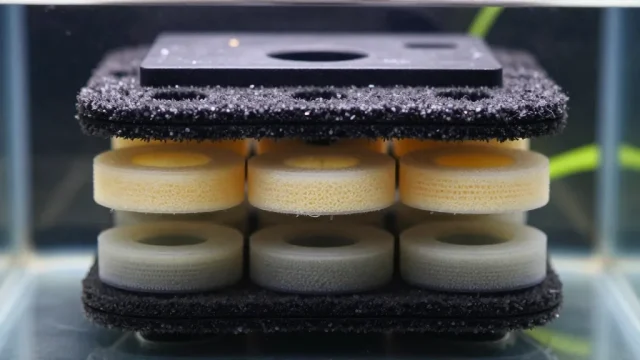
Introducing live plants and bacterial boosters can significantly speed up the cycling process. Choose hardy, fast-growing plants like Anubias, Java Fern, or Cryptocoryne, which are resilient and can tolerate fluctuating water conditions during the cycling phase. Additionally, consider adding a bacterial starter or bio-media to introduce beneficial nitrifying bacteria, which will help establish the nitrogen cycle more quickly. Avoid overstocking the tank with plants or fish initially, as this can disrupt water chemistry and hinder the cycling process.
Step-by-Step Guide to Cycling a Planted Aquarium
Cycling a planted aquarium is a critical process that establishes a stable ecosystem for both plants and fish. This step-by-step guide outlines how to monitor water parameters and manage feeding and water changes to support the nitrogen cycle and maintain water quality.
- Fill the tank with dechlorinated water and add a small amount of fish food or fertilizer.
- Monitor ammonia, nitrite, and nitrate levels using a test kit.
- Wait for the cycle to complete, which typically takes 2-6 weeks.
- Adjust feeding and water changes as needed to support the bacterial population.
Monitoring Water Parameters During the Cycle
Monitoring water parameters is essential during the cycling process to ensure the nitrogen cycle is progressing properly. Use a reliable test kit to measure ammonia, nitrite, and nitrate levels at least once a day. Ammonia and nitrite spikes are normal during the early stages, but high levels can be harmful to aquatic life. Once nitrate levels rise and ammonia/nitrite levels drop to zero, the cycle is likely complete.
Adjusting Feeding and Water Changes for Optimal Results
Adjusting feeding and water changes helps maintain a balanced environment for beneficial bacteria. Reduce or pause feeding during the first week to prevent excess ammonia buildup. After the cycle is complete, gradually increase feeding to support plant growth. Regular water changes (10-20% weekly) will help dilute waste and maintain nutrient balance. These adjustments ensure a stable and healthy planted aquarium.
Dealing with Ammonia, Nitrite, and Nitrate Spikes
Ammonia, nitrite, and nitrate spikes are natural occurrences during the cycling process of a planted aquarium. While these compounds are part of the nitrogen cycle, their sudden increases can harm aquatic life and affect plant growth. Monitoring and managing these levels is essential to ensure a stable and healthy environment for both fish and plants.
Managing Ammonia and Nitrite Spikes
Ammonia spikes are common in new tanks and can be harmful to fish and plants. Ammonia is produced by fish waste and decaying organic matter, and it can quickly reach toxic levels if the bacterial colonies haven't established. Regular water testing using a reliable ammonia test kit is crucial to detect spikes early. If ammonia levels are high, partial water changes and reducing feeding can help lower the concentration.
Controlling Nitrate Levels for Plant Health
Nitrite levels should be kept low to prevent toxicity. Nitrite is a byproduct of the nitrogen cycle and can be harmful to fish even in small amounts. Nitrite buildup often occurs during the initial stages of cycling when bacteria are establishing. Using a nitrite test kit allows you to track levels and take corrective action, such as increasing water changes or adding bacterial boosters to speed up the process. Maintaining a balance between ammonia and nitrite levels is key to a successful cycle.
Maintaining a Healthy Planted Aquarium After Cycling
Once your planted aquarium has completed the cycling process, maintaining a healthy environment requires consistent care and attention. Regular maintenance routines will help sustain water quality, support plant growth, and prevent nutrient imbalances that could harm both fish and aquatic plants.
Regular Water Changes and Fertilization Tips
Regular water changes are essential to remove accumulated nitrates and other waste products, while replenishing vital minerals and trace elements that plants need. Aim for 10–20% water changes weekly, using dechlorinated water that matches the aquarium's temperature and pH. Pair these changes with the addition of liquid fertilizers to ensure plants receive the nutrients they require for growth, such as nitrogen, phosphorus, and potassium.
Balancing Fish and Plant Nutrient Needs
Balancing the nutrient needs of fish and plants is crucial for long-term stability. While fish rely on nitrates and phosphates for biological processes, plants use these same nutrients for photosynthesis and growth. Overfeeding fish can lead to excess ammonia and nitrate buildup, which can be harmful to both organisms. To maintain equilibrium, feed fish only what they can consume within a few minutes and adjust fertilization based on plant health and water test results.
Frequently Asked Questions
What should I do if my planted tank has high ammonia levels?
If ammonia levels are high, perform a partial water change to dilute the concentration. Avoid overfeeding and reduce fish activity. Use a water test kit to monitor levels and wait for the nitrogen cycle to stabilize.
How often should I test water parameters during the cycling process?
Test water parameters at least once daily during the cycling phase. This helps you track ammonia, nitrite, and nitrate levels and adjust care routines as needed.
Can I add fish too soon after cycling my aquarium?
No, avoid adding fish until the nitrogen cycle is complete. Adding fish too early can lead to ammonia spikes, stressing or harming your aquatic life.
What are the signs that the nitrogen cycle is complete in a planted tank?
The nitrogen cycle is complete when ammonia and nitrite levels are near zero, and nitrate levels are stable. Your plants and fish should show no signs of stress or disease.
Final Thoughts
Cycling a planted aquarium ensures a stable environment for both plants and fish. By following the nitrogen cycle and monitoring water parameters, you can prevent harmful spikes and promote healthy growth.
Once the cycle is complete, maintain regular water changes and fertilization to keep your tank balanced. Start with a small number of fish and gradually increase as the ecosystem becomes stable.