Shrimp molting problems, particularly the dreaded shrimp molting problems white ring of death, can be a frustrating and concerning issue for freshwater aquarium enthusiasts. This condition manifests as a visible white ring around the shrimp's body, signaling a critical stage in the molting process. Understanding what the white ring of death signifies is essential for timely intervention and preventing further harm. Whether you're a seasoned hobbyist or new to shrimp keeping, recognizing the signs and causes of this issue is the first step toward effective solutions.
The shrimp molting problems white ring of death often occurs during the molting cycle, a natural yet delicate process that requires optimal water conditions. Poor water parameters, such as low levels of calcium, magnesium, or improper GH (general hardness), can lead to molting complications. These factors play a crucial role in supporting the shrimp's ability to shed its exoskeleton safely and successfully.
This article provides a comprehensive guide to diagnosing, addressing, and preventing shrimp molting problems. From understanding the symptoms of the white ring of death to adjusting water parameters and supplementing essential minerals, you'll gain practical insights to ensure your shrimp thrive. By following these steps, you can create a healthier environment for your aquatic pets and minimize the risk of molting-related issues.
What Is the White Ring of Death in Shrimp?
The white ring of death is a critical molting issue in shrimp that can lead to the death of the individual. It is a clear sign of severe molting problems and is often linked to poor water chemistry and insufficient mineral levels. Recognizing the signs and symptoms of this condition is essential for early detection and intervention, which can significantly improve the chances of saving affected shrimp.
What Does the White Ring of Death Look Like?
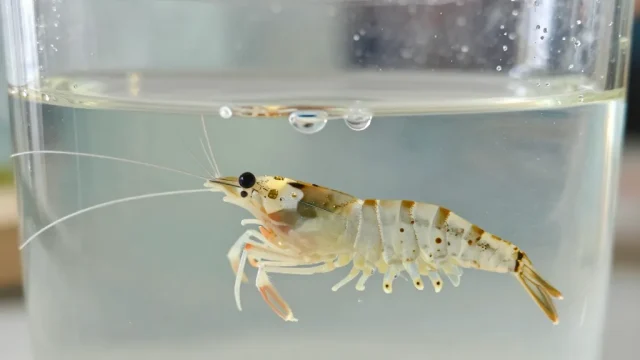
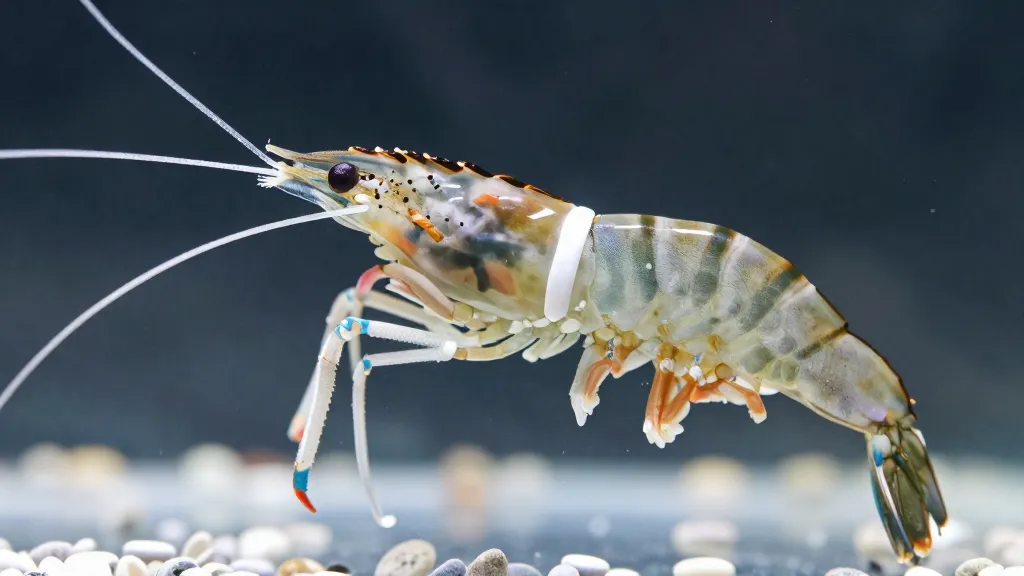
The white ring of death appears as a distinct white ring around the shrimp's body during or after molting. This ring is typically visible on the exoskeleton and can extend across the body, sometimes appearing as a complete circle. The white coloration is a result of the shrimp's inability to properly harden its new exoskeleton, which leads to structural weakness and eventual death. This condition is often accompanied by other symptoms such as lethargy and reduced activity, which can help in identifying affected individuals.
When Does It Typically Occur?
The white ring of death typically occurs during or shortly after the molting process. Shrimp molt to grow, shedding their old exoskeleton to make way for a new, larger one. However, if the water conditions are not optimal, the new exoskeleton may not form correctly, leading to the development of the white ring. This can happen in both freshwater and brackish environments, depending on the specific needs of the shrimp species. Monitoring the molting cycle and recognizing the signs of the white ring of death is crucial for timely intervention and maintaining a healthy shrimp population.
Causes of Shrimp Molting Problems
Understanding the causes of shrimp molting problems is essential for maintaining a healthy aquatic environment. Several factors, including mineral imbalances, water quality, and temperature, can disrupt the molting process and lead to the white ring of death. By addressing these underlying issues, hobbyists can significantly improve the chances of successful molting in their tanks.
The Role of GH, Calcium, and Magnesium in Shrimp Health
The Role of GH, Calcium, and Magnesium in Shrimp Health is critical for proper molting. General hardness (GH) refers to the concentration of calcium and magnesium ions in the water, which are essential for forming the shrimp's exoskeleton. Low GH levels can result in weak or incomplete molts, making shrimp more vulnerable to disease and predation. Calcium and magnesium are also involved in the physiological processes that support growth and development, so their deficiency can directly impact the molting cycle.
How Water Parameters Affect Molting
How Water Parameters Affect Molting extends beyond mineral content to include factors like nitrate, ammonia, pH, and temperature. High levels of nitrates and ammonia can stress shrimp, leading to molting failure or the white ring of death. These toxins can interfere with the shrimp's ability to process nutrients and maintain internal balance. pH levels that are too high or too low can also disrupt the biological processes required for molting, as shrimp are sensitive to even minor fluctuations in water chemistry. Maintaining stable, optimal water parameters is crucial for supporting healthy molting behavior.
Diagnosing and Identifying the White Ring of Death
Diagnosing the white ring of death requires consistent observation and careful tracking of shrimp behavior and environmental factors. Early detection is crucial for addressing underlying issues before they lead to severe molting problems.
How to Monitor Shrimp Molting Cycles
To monitor shrimp molting cycles, observe their behavior daily, especially during the molting period. Look for signs such as reduced activity, hiding, or a lack of movement, which may indicate stress or health issues. Note any physical changes, including the appearance of a white ring, which is a key indicator of the condition. Maintaining a routine observation schedule helps in identifying patterns and potential triggers that may contribute to the problem.
When to Seek Professional Advice
If shrimp show persistent symptoms such as a white ring, lethargy, or complete failure to molt, it is important to seek professional advice. A qualified aquatic specialist can provide a more accurate diagnosis and recommend targeted solutions. In some cases, the issue may be related to water chemistry or hidden health complications that require expert intervention. Keeping a detailed log of water parameters and shrimp behavior can aid in this process, providing valuable insights for the professional to assess the situation effectively.
Solving Shrimp Molting Problems
Addressing shrimp molting problems requires a focused approach to water parameters, supplementation, and feeding habits. By systematically adjusting the environment and ensuring proper nutrition, you can support healthy molting cycles and prevent the onset of the white ring of death.
- Test and adjust GH, calcium, and magnesium levels regularly to create a stable environment for molting.
- Use targeted supplements to maintain optimal mineral concentrations, especially in low-hardness water setups.
- Perform consistent water changes to remove toxins and replenish essential minerals without disrupting the tank's balance.
- Avoid overfeeding, as excess nutrients can lead to poor water quality and interfere with molting processes.
How to Adjust Water Parameters for Shrimp Molting
Adjusting water parameters is a critical step in resolving shrimp molting problems. Maintain a general hardness (GH) between 4 and 10 dGH, as this supports the structural integrity of the exoskeleton during molting. Calcium and magnesium levels should be kept within the recommended range for your shrimp species, typically 40–100 ppm for calcium and 10–20 ppm for magnesium. Regular testing and small adjustments will help prevent the white ring of death and promote successful molting events.
Supplementing Calcium and Magnesium in Freshwater Tanks
Supplementing calcium and magnesium is essential for maintaining healthy molting in freshwater tanks. Calcium is vital for the formation of the new exoskeleton, while magnesium supports metabolic functions and ion balance. Use high-quality calcium supplements specifically formulated for shrimp, and consider adding magnesium sources like Epsom salt in moderation. Always follow the manufacturer's guidelines to avoid overdosing, which can lead to other health issues. Consistent supplementation, combined with proper water changes, will create an environment conducive to successful molting.
Preventing Future Shrimp Molting Issues
Preventing shrimp molting issues requires proactive care and attention to the tank environment. By focusing on stable water conditions, proper nutrition, and tank management, you can significantly reduce the risk of molting problems and promote long-term shrimp health.
Maintaining Stable Water Conditions
Maintaining stable water conditions is crucial for successful shrimp molting. Fluctuations in temperature, pH, and hardness can disrupt the molting cycle and increase the likelihood of the white ring of death. Regularly test water parameters and use a reliable filtration system to keep levels consistent. Aim for a temperature range of 68–78°F (20–25°C), a pH between 6.8 and 7.8, and moderate water hardness to support healthy molting.
Feeding Practices for Healthy Molting
A balanced diet plays a vital role in preventing molting issues. Shrimp require essential nutrients like calcium, magnesium, and protein to support their growth and molting process. Offer a varied diet that includes algae, blanched vegetables, and high-quality shrimp food to ensure they receive all necessary nutrients. Avoid overfeeding, as excess food can degrade water quality and lead to stress-related molting problems. Supplementing calcium and magnesium in the tank can also help maintain the health of the shrimp's exoskeleton during molting.
Frequently Asked Questions
What should I do if my shrimp is showing signs of the white ring of death?
If your shrimp is showing signs of the white ring of death, it is crucial to act quickly. Adjust water parameters, such as GH, calcium, and magnesium levels, and ensure optimal water quality. If the condition does not improve, seek professional advice to prevent further complications.
Can GH, calcium, and magnesium levels be tested at home?
Yes, GH, calcium, and magnesium levels can be tested at home using test kits available at pet stores or online. These kits are designed for freshwater tanks and provide accurate readings. Regular testing helps in maintaining optimal water conditions for shrimp molting.
Is the white ring of death contagious to other shrimp?
The white ring of death is not contagious to other shrimp. It is typically a result of poor water conditions and nutritional deficiencies. However, it is essential to isolate affected shrimp to prevent stress and maintain the health of the rest of the tank.
How often should I test water parameters for shrimp molting issues?
It is recommended to test water parameters at least once a week for shrimp molting issues. Regular monitoring helps in identifying and addressing any imbalances in GH, calcium, and magnesium levels promptly.
Final Thoughts
Understanding and addressing shrimp molting problems, such as the white ring of death, is crucial for maintaining a healthy aquarium environment. By monitoring water parameters and providing proper nutrition, you can significantly reduce the risk of molting issues.
To ensure your shrimp thrive, focus on maintaining stable water conditions and regular testing. Implementing these practices will help prevent molting problems and promote the overall well-being of your shrimp.