If your freshwater plants are showing iron deficiency pale new growth, it's a clear sign that something is off in your aquatic ecosystem. Pale, stunted, or yellowing new leaves are often the first indicators of a lack of this essential micronutrient. Iron plays a critical role in chlorophyll production, and without enough, plants struggle to photosynthesize and grow properly. Whether you're managing a water garden or a home aquarium, recognizing these symptoms early can prevent long-term damage to your aquatic plants.
This article explores the causes of iron deficiency pale new growth and offers practical solutions to restore plant health. We'll break down how iron deficiency affects plant nutrition, how to identify it, and what factors might be contributing to the problem. Understanding the role of water chemistry and fertilizer balance is key to addressing this issue effectively.
From choosing the right iron supplements to optimizing water parameters for better nutrient absorption, we provide actionable steps to correct and prevent iron deficiency pale new growth. By implementing these strategies, you can ensure your plants thrive and maintain their vibrant, healthy appearance in your freshwater setup.
Understanding Iron Deficiency in Freshwater Plants
Iron deficiency in freshwater plants is a common issue that can significantly impact their health and appearance. This micronutrient is vital for chlorophyll synthesis, which is essential for photosynthesis and overall plant vitality. When iron levels are insufficient, plants exhibit visible symptoms that can signal deeper nutrient imbalances in the aquatic environment.
The Role of Iron in Plant Nutrition
Iron is an essential micronutrient that plays a critical role in plant nutrition. It is a key component in the formation of chlorophyll, the green pigment responsible for capturing light energy during photosynthesis. Without adequate iron, plants cannot produce sufficient chlorophyll, leading to reduced energy absorption and slower growth. This deficiency can also affect other metabolic processes, such as enzyme function and cell respiration, further compromising plant health.
Why New Growth Is Affected First
New growth in freshwater plants is particularly sensitive to iron deficiency because young leaves have a higher demand for this nutrient during rapid development. As plants grow, they allocate more resources to new foliage, which requires a steady supply of iron for proper cell expansion and chlorophyll production. Older leaves, on the other hand, have already established their metabolic pathways and can temporarily compensate for low iron levels. This makes new growth an early and reliable indicator of iron deficiency, often appearing pale or yellow before other symptoms become apparent.
Identifying Iron Deficiency in Your Plants
Recognizing iron deficiency in freshwater plants is essential for timely intervention. Early detection allows you to address the issue before it affects the overall health of your aquatic garden. Pay close attention to the appearance of new growth, as this is where iron deficiency symptoms typically manifest first.
Visual Signs of Iron Deficiency
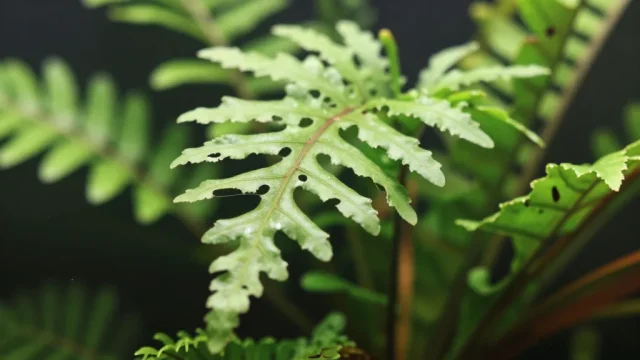
Iron deficiency in freshwater plants is most noticeable in the new growth, particularly on the tips and midsections of young leaves. These areas often turn pale or yellow, while the veins may remain green, creating a distinct contrast. The discoloration typically starts at the leaf tips and progresses inward, giving the leaves a striped or mottled appearance. This pattern helps differentiate iron deficiency from other nutrient-related issues.
Distinguishing Iron Deficiency From Other Nutrient Issues
To accurately diagnose iron deficiency, it's important to compare your plants with known symptoms. Unlike nitrogen or potassium deficiencies, which affect older leaves first, iron deficiency primarily targets new growth. Additionally, iron deficiency often results in a lack of chlorophyll production, leading to a lighter green or yellowish color. In contrast, deficiencies in other nutrients like magnesium or phosphorus may cause more widespread discoloration or stunted growth. Observing the location and progression of symptoms can help confirm whether the issue is related to iron.
Causes of Iron Deficiency in Freshwater Tanks
Understanding the causes of iron deficiency in freshwater tanks is essential for maintaining healthy plant growth. Several factors can contribute to this issue, ranging from chemical imbalances in the water to improper fertilizer management. By identifying these root causes, hobbyists can take targeted steps to restore nutrient balance and prevent future deficiencies.
Water Chemistry and Iron Availability
Poor water chemistry, particularly high pH or alkalinity, can significantly reduce iron bioavailability. Iron is most soluble and accessible to plants in acidic to neutral conditions, typically between pH 6.0 and 7.5. When water pH exceeds this range, iron precipitates out of solution, making it unavailable for plant uptake. High alkalinity compounds, such as carbonate or bicarbonate, can also bind with iron, further limiting its availability. This makes maintaining optimal water chemistry a critical factor in preventing iron deficiency.
Fertilizer Imbalances and Nutrient Competition
Inadequate iron in the fertilization routine is a common cause of deficiency in freshwater tanks. Many hobbyists focus on macronutrients like nitrogen and phosphorus while neglecting micronutrients such as iron. This imbalance can lead to pale new growth and leaf discoloration. Additionally, overuse of CO2 or other nutrients can create competition for iron absorption. Excess carbon dioxide can lower water pH, which may temporarily increase iron availability, but it can also cause fluctuations that make it difficult for plants to consistently access the nutrient. Proper dosing and balancing of all nutrients are essential to avoid these imbalances.
Solutions for Iron Deficiency in Freshwater Plants
Addressing iron deficiency in freshwater plants requires targeted solutions that focus on both nutrient supplementation and environmental optimization. By selecting the right iron supplement and adjusting water parameters, you can significantly improve the bioavailability of iron and promote healthy plant growth.
- Use chelated iron to improve nutrient uptake and prevent deficiencies.
- Adjust water parameters such as pH and carbonate hardness to enhance iron solubility.
- Follow a regular fertilization schedule that includes iron as a key component.
Choosing the Right Iron Supplement
Chelated iron is a highly effective supplement for addressing iron deficiency in freshwater plants. Unlike inorganic iron sources, chelated iron is bound to organic molecules that protect it from reacting with other chemicals in the water, ensuring it remains available for plant uptake. This form of iron is particularly beneficial in soft or low-pH environments where inorganic iron might otherwise become insoluble. When selecting a chelated iron supplement, opt for products that are specifically formulated for freshwater use and have a high purity level to minimize the risk of contamination.
Optimizing Water Parameters for Iron Bioavailability
Optimizing water parameters is essential for maximizing the availability of iron in your tank. Iron becomes more soluble in water with a lower pH, typically between 6.0 and 7.5. Additionally, carbonate hardness (KH) plays a role in maintaining stable pH levels, which in turn affects iron solubility. If your tank has high KH or a pH above 7.5, consider using a pH-lowering agent or diluting the water to bring the pH within the ideal range. Regular testing of pH and KH levels will help you maintain the right conditions for iron to be absorbed efficiently by your plants.
Preventing Iron Deficiency in the Long Term
Preventing iron deficiency in freshwater plants requires consistent care and proactive management. By establishing a routine for maintenance and fertilization, water gardeners and hobbyists can sustain healthy plant growth and avoid the pitfalls of nutrient imbalance.
Regular Maintenance and Monitoring
Regular maintenance and monitoring are essential for preventing iron deficiency. Check plant health weekly by observing new growth for signs of discoloration or stunted development. Adjust nutrient levels based on these observations, and use a reliable test kit to measure water parameters such as pH and hardness. These factors influence iron availability, so maintaining stable conditions ensures plants can access the nutrients they need.
Long-Term Fertilization Strategies
A long-term fertilization strategy should include chelated iron to support sustained plant growth. Chelated iron remains soluble in water for longer, making it more accessible to plants compared to inorganic forms. Incorporate iron supplements into your regular fertilization schedule, and consider using liquid fertilizers or iron-rich substrates to provide a steady supply. Pairing iron with other essential nutrients like potassium and magnesium also promotes overall plant health and reduces the risk of deficiency over time.
Frequently Asked Questions
What are the signs of iron deficiency in freshwater plants?
Iron deficiency in freshwater plants typically causes pale new growth, yellowing leaves, and stunted development. The older leaves may remain green while new growth appears pale or yellow. This is a clear indicator of iron deficiency in aquatic plants.
How can I tell if my plants are suffering from iron deficiency or another nutrient issue?
Iron deficiency usually affects new growth first, while other nutrient deficiencies may impact older leaves. Iron deficiency often shows as pale or yellow new leaves, whereas other issues may cause overall yellowing or leaf drop.
What type of iron is best for freshwater plants?
Chelated iron is the most effective form for freshwater plants because it remains soluble and bioavailable in low pH environments. This makes it easier for plants to absorb and utilize.
Can I use regular iron supplements for my aquatic plants?
Regular iron supplements are not suitable for freshwater plants because they may not be chelated and can precipitate in the water, making them unavailable to plants. Always use chelated iron specifically formulated for aquatic use.
Maintaining Healthy Aquarium Plants
Addressing iron deficiency is essential for maintaining healthy freshwater plants. Regular monitoring and proper supplementation can prevent long-term issues. Ensure you use chelated iron and balance your tank's water chemistry for optimal results.
Start by checking your plants for pale new growth and adjusting your fertilization routine. With consistent care and attention, your aquatic plants will thrive and maintain their vibrant color.