If you're managing a planted freshwater aquarium, achieving the right balance of CO2 injection is crucial for healthy plant growth and algae control. The CO2 injection bubbles per second guide is a key tool in this process, helping you measure and adjust your CO2 levels with precision. Too little CO2 can lead to poor plant development, while too much can cause pH swings and water quality issues. Understanding how to calculate and manage CO2 bubbles per second can make a significant difference in your tank’s overall health. This guide will walk you through the essentials of measuring, adjusting, and optimizing your CO2 injection rate for the best results.
CO2 bubbles per second are a direct indicator of how much carbon dioxide is being introduced into your aquarium. By tracking this metric, you can ensure your plants receive the right amount of CO2 for photosynthesis without overloading the water. Proper measurement and adjustment are especially important for beginners looking to avoid algae outbreaks and maintain clear, balanced water conditions. This guide covers everything from using a bubble counter to adjusting for different tank sizes and plant types.
Whether you're a seasoned aquarist or just starting out, knowing how to calculate CO2 injection bubbles per second is an essential skill. This guide provides clear, practical steps to help you measure, interpret, and fine-tune your CO2 levels for optimal plant growth and water quality. With the right approach, you can create a thriving planted tank that supports both your aquatic plants and the overall health of your aquarium ecosystem.
Understanding CO2 Injection Bubbles Per Second
CO2 injection bubbles per second is a critical metric for maintaining the right balance of carbon dioxide in a planted freshwater aquarium. This measurement helps ensure that plants receive the necessary CO2 for photosynthesis while preventing issues like pH swings and algae overgrowth. Understanding how to interpret and manage this metric is essential for both beginners and experienced hobbyists aiming for a healthy, thriving planted tank.
What Is CO2 Injection Bubbles Per Second?
CO2 injection bubbles per second refers to the number of bubbles released from a CO2 diffuser into the aquarium water every second. This measurement is taken using a bubble counter, which provides a visual indication of the gas flow rate. The actual number of bubbles can vary based on factors such as the size of the tank, the type of diffuser used, and the desired CO2 concentration. A consistent bubble rate ensures that CO2 is evenly distributed throughout the water, promoting optimal conditions for plant growth.
Why Is It Important for Plant Growth?
The importance of CO2 injection bubbles per second lies in its role in maintaining the delicate balance of water chemistry and plant health. Plants rely on CO2 for photosynthesis, and an adequate supply is essential for their growth. However, an excess of CO2 can lead to rapid pH drops, which can stress fish and other aquatic life. Conversely, insufficient CO2 can result in stunted plant growth and increased algae proliferation. By carefully monitoring and adjusting the bubble rate, hobbyists can create a stable environment that supports both plant and aquatic life.
Measuring CO2 Bubbles Per Second
Measuring CO2 bubbles per second is essential for maintaining the right balance of carbon dioxide in your planted tank. Accurate readings ensure your plants receive the necessary CO2 without causing harmful fluctuations in water chemistry. This section explains how to use a bubble counter and follow best practices to achieve reliable measurements.
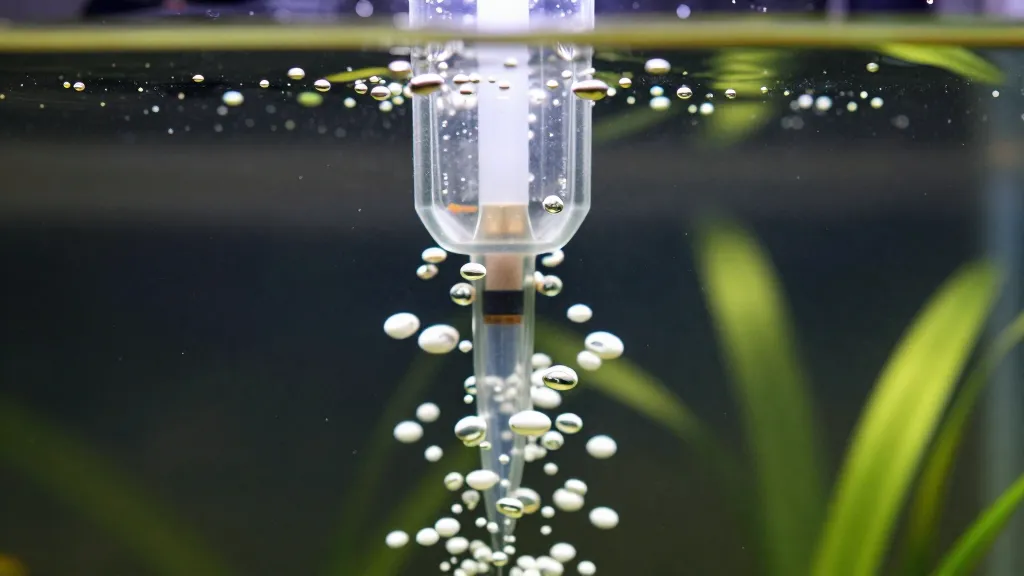
- Place the bubble counter directly in the water near the diffuser to capture all bubbles. The counter should be positioned so that it is fully submerged and not obstructed by tank decorations or substrate.
- Count the number of bubbles passing through the counter over a 10-second interval. This provides a consistent baseline for measuring CO2 flow and helps avoid errors caused by short-term fluctuations.
- Repeat the measurement at least three times to ensure accuracy and account for any variations in bubble production. Average the results to get a more reliable figure for your tank's CO2 output.
- Record the bubble count in a log or spreadsheet to track changes over time. This data helps you adjust your CO2 system as needed and identify trends in bubble production.
How to Use a Bubble Counter
Using a bubble counter is a simple yet effective way to measure CO2 injection bubbles per second. The device typically consists of a clear tube with a marked scale that allows you to count the bubbles as they pass through. Start by positioning the counter in the water near the diffuser, ensuring it is fully submerged and not tilted. Once in place, observe the bubbles as they rise through the counter and count the number that pass a specific point within a 10-second window.
Best Practices for Accurate Measurement
To ensure accurate measurements, maintain a steady flow of CO2 and avoid any disturbances that might affect bubble formation. Keep the counter in a stable position and ensure the water is well-circulated to prevent bubbles from clustering or pooling. It's also important to take readings at the same time each day to account for natural variations in water temperature and pressure. If you notice inconsistencies in your readings, check for leaks in the CO2 system or blockages in the diffuser that may be affecting bubble production.
Optimal CO2 Bubbles Per Second for Your Tank
Determining the optimal CO2 bubbles per second for your tank is crucial for achieving balanced plant growth and avoiding issues like algae blooms. While general guidelines exist, the right bubble rate depends on several factors, including tank size, plant density, and water volume. Understanding these variables helps you fine-tune your CO2 injection system for the best results.
| Tank Size | Recommended Bubbles Per Second | Notes |
|---|---|---|
| 20–30 gallons | 100–150 | Ideal for low to moderate plant growth |
| 40–50 gallons | 150–200 | Suitable for dense plant setups |
| 60+ gallons | 200–250 | Higher flow needed for large tanks |
| 20–30 gallons with heavy growth | 150–200 | Increase rate to support dense vegetation |
Recommended Bubble Rates by Tank Size
The recommended bubble rates for different tank sizes provide a baseline for CO2 injection. A 20–30 gallon tank typically requires 100–150 bubbles per second, which supports moderate plant growth without over-saturating the water. For larger tanks, such as 40–50 gallons, the rate increases to 150–200 bubbles per second to ensure adequate CO2 distribution. Tanks over 60 gallons may need even higher rates, up to 200–250 bubbles per second, to maintain consistent CO2 levels throughout the water volume.
How to Adjust for Different Plant Types
Adjusting CO2 flow based on plant types is essential for optimizing growth. Heavy plant growth, such as in a 20–30 gallon tank with dense vegetation, may require increasing the bubble rate to 150–200 bubbles per second to meet the higher oxygen demand. Conversely, sparse or low-density setups can operate within the lower end of the recommended range. Always monitor plant health and water parameters to determine if adjustments are needed. Over time, you’ll find the ideal balance that supports robust plant growth without promoting algae.
Linking CO2 Bubbles to pH and Algae Control
CO2 injection directly influences water pH, making it essential to monitor pH levels alongside bubble rates. As CO2 dissolves in water, it forms carbonic acid, which lowers pH. This pH drop is a sign of effective CO2 delivery, but it must be managed carefully to prevent over-acidification. A pH between 6.5 and 7.2 is generally ideal for most planted tanks, as it supports plant growth while limiting algae proliferation.
How pH Drops Relate to CO2 Levels
A pH drop indicates that CO2 is being absorbed into the water, which is necessary for plant photosynthesis. However, excessive CO2 can cause pH to fall below 6.5, creating an environment that favors algae growth. Using a drop checker lime green kit allows you to visually monitor pH changes, ensuring you stay within the optimal range. Regular checks are crucial, especially when adjusting bubble rates or adding new plants.
Managing pH for Algae Control
Maintaining pH between 6.5 and 7.2 helps strike a balance between CO2 availability for plants and the conditions that discourage algae. If pH drops too low, you may need to reduce CO2 injection or increase water circulation to dilute the acid. Conversely, if pH is too high, it may indicate insufficient CO2 levels. Adjusting bubble rates in conjunction with pH monitoring ensures stable conditions for plant health and minimal algae growth.
Troubleshooting CO2 Injection Issues
Troubleshooting CO2 injection issues is essential for maintaining stable CO2 levels in your planted tank. Whether you're experiencing too many or too few bubbles, the right approach can help you restore balance and avoid problems like algae growth or pH fluctuations.
- Check for leaks in the CO2 line or regulator if bubbles are too high.
- Adjust the diffuser or regulator if bubbles are too low.
- Use a pH drop test with a drop checker lime green to verify CO2 levels.
- Inspect the CO2 cylinder for empty or faulty connections.
Common CO2 Injection Problems
Common CO2 injection problems often stem from improper setup or maintenance. High bubble rates may indicate a leak in the CO2 line, regulator, or diffuser, which can cause excessive gas release. Alternatively, overfeeding fish or using too much CO2 can also lead to an over-saturated environment. Low bubble rates, on the other hand, may signal a clogged diffuser, a faulty regulator, or an underpowered CO2 cylinder. These issues can prevent plants from receiving the right amount of CO2, affecting growth and leading to algae outbreaks.
How to Fix CO2 Flow Issues
To fix CO2 flow issues, start by checking the diffuser for blockages and cleaning it if necessary. If the regulator is not adjusting properly, replace it with a high-quality model that allows precise control. For leaks, inspect all connections and ensure the regulator is tightly sealed. If you're using a pH drop test with a drop checker lime green, observe the color change to confirm that CO2 levels are within the optimal range. Adjust the regulator or diffuser accordingly to ensure a steady and safe CO2 flow for your tank.
Frequently Asked Questions
How do I calculate CO2 bubbles per second for my tank?
To calculate CO2 bubbles per second, use a bubble counter to count the bubbles in a 10-second interval, then divide by 10. This gives you the bubbles per second. For more accuracy, average multiple readings and consider tank size and plant needs.
What should my CO2 bubbles per second be for a 50-gallon tank?
For a 50-gallon tank, aim for 15-25 bubbles per second. This range supports healthy plant growth while avoiding excessive CO2 levels. Adjust based on tank size, plant density, and water parameters.
Why is my pH dropping even though I'm injecting CO2?
A drop in pH indicates high CO2 levels, as CO2 dissolves in water to form carbonic acid. This is normal but can affect fish if not managed. Monitor pH with a drop checker lime green and adjust injection rates accordingly.
How can I tell if my CO2 injection is too high or too low?
Too high CO2 injection may cause pH drops, fish stress, or algae blooms. Too low may result in slow plant growth or poor water clarity. Use a CO2 bubbles per second chart and adjust based on plant response and water parameters.
Final Thoughts
Understanding and measuring CO2 bubbles per second is crucial for maintaining optimal conditions in a planted tank. Regular monitoring and adjustments help ensure plants thrive without harming aquatic life.
Use a bubble counter and refer to a CO2 bubbles per second chart to fine-tune your injection rate. For further guidance, consult a CO2 injection rate calculator or seek advice on CO2 injection troubleshooting.