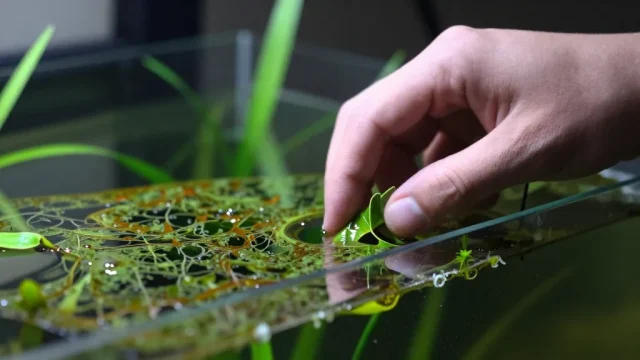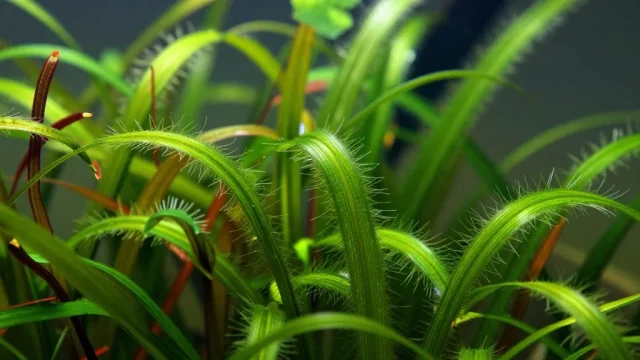
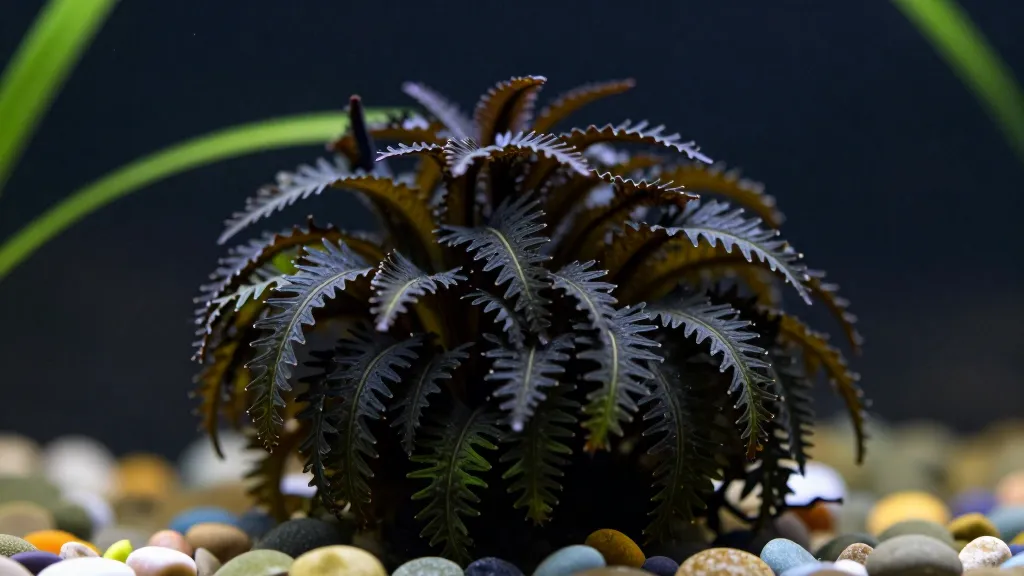
Black beard algae can quickly turn a thriving planted tank into a frustrating mess. If you're wondering how to get rid of black beard algae, you're not alone. This stubborn algae spreads fast and can damage your plants and disrupt the balance of your aquarium. The good news is that with the right approach, you can eliminate it and prevent future outbreaks. This article provides clear, actionable steps to help you tackle black beard algae effectively.
We’ll start by explaining what black beard algae is and why it appears in planted tanks. Understanding its behavior is key to stopping it in its tracks. Next, we’ll explore preventive measures like water conditions and lighting to keep it at bay. If it’s already present, we’ll show you how to use hydrogen peroxide for spot treatment and how to improve water flow to reduce its growth.
For long-term control, we’ll discuss biological solutions like algae-eating fish and snails, as well as chemical and physical removal techniques. Whether you’re a beginner or an experienced aquarist, these strategies will help you maintain a clean, healthy tank and enjoy the beauty of your planted setup without the hassle of persistent algae.
Understanding Black Beard Algae and Its Impact
Black beard algae is a common nuisance in freshwater planted tanks, often appearing as a fuzzy, dark green or black coating on plants and surfaces. Its presence can disrupt the aesthetic appeal of the tank and pose a threat to plant health. Understanding its nature and the conditions that encourage its growth is essential for effective management.
What Is Black Beard Algae?
Black beard algae, scientifically known as Aegagropila linifrons, is a type of filamentous algae that forms dense, mat-like growths. It is commonly found in freshwater environments and is particularly problematic in planted tanks due to its rapid spread and tenacity. The algae appears as a dark, velvety coating that can cover leaves, rocks, and even the tank walls, making it difficult to remove without proper care.
Unlike other types of algae, black beard algae is not easily eradicated through simple manual cleaning. It has a strong hold on surfaces and can regrow quickly if conditions are not controlled. Its presence is often a sign of underlying issues in the tank's ecosystem, making it a challenge for both novice and experienced aquarists.
Why Does It Appear in Planted Tanks?
Black beard algae thrives in low light conditions and poor water quality, making it a common problem in newly set up tanks or those with inadequate maintenance. It often appears when there is an imbalance in nutrients, such as excess nitrates or phosphates, which can result from overfeeding or insufficient water changes. These conditions create an environment where the algae can flourish unchecked.
The presence of black beard algae can damage water plants by smothering their leaves and blocking sunlight, which hinders photosynthesis. It can also create an unattractive appearance, detracting from the visual appeal of the tank. Early identification is key to effective removal, as the algae can quickly spread and become more difficult to manage if left untreated.
Preventive Measures to Avoid Black Beard Algae
Preventing black beard algae in your planted tank starts with creating an environment that discourages its growth. By focusing on water parameters, lighting, and nutrient management, you can significantly reduce the chances of algae outbreaks. Consistent maintenance and awareness of these factors will help you keep your tank clean and healthy.
Maintaining Optimal Water Conditions
Maintaining optimal water conditions is crucial for preventing black beard algae. Regularly test and adjust pH, nitrate, and phosphate levels to ensure they remain within ideal ranges. A pH between 6.5 and 7.5, along with low nitrate and phosphate concentrations, creates a less favorable environment for algae. Additionally, maintaining proper water hardness and temperature can contribute to a balanced ecosystem that supports plant growth over algae.
Lighting and CO2 Balance for Prevention
Lighting and CO2 balance play a key role in preventing black beard algae. While plants require light for photosynthesis, excessive or improper lighting can promote algae growth. Use LED or T5 lighting with appropriate intensity and duration to meet plant needs without overstimulating algae. CO2 supplementation can also help, as it supports plant growth and reduces the availability of nutrients for algae. However, ensure CO2 levels are stable and not too high, as this can harm aquatic life.
Spot Treatment with Hydrogen Peroxide
Hydrogen peroxide is a safe and effective spot treatment for black beard algae, offering a targeted solution without disrupting the entire planted tank ecosystem. When applied correctly, it can break down the algae without harming beneficial plants or aquatic life, making it a popular choice among water gardeners and home aquarium enthusiasts.
How to Apply Hydrogen Peroxide Safely
To apply hydrogen peroxide safely, use a fine-tip syringe or pipette to target only the affected areas. This method minimizes contact with healthy plants and reduces the risk of overexposure to the tank inhabitants. Dilute the hydrogen peroxide to a concentration of 3% or less, as higher concentrations can damage sensitive aquatic life and degrade water quality over time.
Frequency and Dosage for Spot Treatment
Repeat the treatment as needed, spacing applications at least 24 to 48 hours apart to allow the tank to recover and prevent stress on fish and invertebrates. Monitor water parameters closely after each treatment, as hydrogen peroxide can temporarily affect pH and dissolved oxygen levels. While spot treatments are effective, they should be part of a broader algae management strategy to prevent recurrence.
Improving Water Flow to Reduce Algae Growth
Improving water flow is a critical step in reducing black beard algae growth. Proper circulation helps maintain oxygen levels throughout the tank, prevents stagnant zones where algae thrive, and supports the overall health of aquatic plants and fish. While increasing flow can be effective, it's important to balance this with the needs of your tank's inhabitants to avoid unnecessary stress.
The Role of Water Flow in Algae Control
Water flow plays a vital role in algae control by ensuring consistent oxygenation and nutrient distribution. Stagnant areas in the tank can become breeding grounds for black beard algae, as they provide ideal conditions for its rapid growth. By introducing gentle but steady movement, you help disrupt these conditions and reduce the likelihood of algae outbreaks. Additionally, good water flow supports the root systems of aquatic plants, which can outcompete algae for nutrients and light.
Choosing the Right Flow Equipment
Selecting the right flow equipment depends on the size of your tank and the type of aquatic life it houses. A pump or powerhead can be used to create a gentle current that circulates water without overwhelming your fish or invertebrates. It's important to choose a device with adjustable flow settings so you can fine-tune the strength of the current to suit your tank's needs. Regularly monitoring and adjusting the flow ensures that it remains effective without causing undue stress to your aquatic ecosystem.
Long-Term Strategies for Algae Management
Long-term algae management requires a balanced approach combining physical, chemical, and biological strategies to prevent recurrence. By addressing the root causes of algae growth and using targeted interventions, you can maintain a clean and healthy planted tank over time.
Biological Control with Algae-Eaters
Biological control involves introducing algae-eating fish or invertebrates to naturally reduce black beard algae. Species like Siamese algae eaters, otocinclus catfish, and nerite snails can help manage algae populations without the need for harsh chemicals. However, it's important to research compatibility and tank suitability before adding these creatures, as some may be too aggressive or unsuitable for smaller tanks.
Chemical and Physical Removal Techniques
Chemical and physical removal techniques offer effective long-term solutions when combined with preventive measures. Algae control products specifically formulated for freshwater tanks can be used sparingly to target persistent algae growth. Regular physical cleaning, such as scrubbing surfaces and using algae scrapers, also plays a key role in maintaining tank hygiene. Consistent monitoring of water parameters like pH, nitrate, and phosphate levels helps identify imbalances that could lead to algae outbreaks.
Frequently Asked Questions
Can hydrogen peroxide be used on all types of plants in a planted tank?
Hydrogen peroxide is generally safe for most aquatic plants but should be used with caution. It is less harmful to hardy plants but may damage sensitive species. Always test a small area first and dilute the solution appropriately.
How often should I check the water flow in my aquarium?
Water flow should be checked weekly to ensure it remains consistent. Adjust the flow if you notice algae growth or if fish are struggling with movement. Regular checks help maintain a balanced ecosystem.
What are the best algae-eating fish for a freshwater planted tank?
Algae-eating fish like Otocinclus catfish, Siamese algae eaters, and plecos are effective for controlling algae. Choose species that are compatible with your tank's size and environment to avoid overstocking.
Is it safe to use commercial algae removal products in my aquarium?
Commercial products can be effective but should be used carefully. Always check the label for compatibility with your tank's inhabitants and avoid products with harsh chemicals that can harm plants and fish.
Final Thoughts on Algae Control
Managing black beard algae requires a combination of prevention, treatment, and maintenance. Regular water testing, proper lighting, and adequate flow are essential for long-term control. Implementing biological and chemical methods can help keep algae at bay.
To start, focus on maintaining optimal water conditions and water flow. If algae appears, spot treat with hydrogen peroxide and consider introducing algae-eating fish. Consistent care is key to a healthy planted tank.