Maintaining the right pH level is crucial for the health of both plants and fish in freshwater aquariums, but selecting hardscape rocks that don't raise pH can be a challenge. Many hobbyists are concerned about how certain rocks might alter water chemistry, especially in planted tanks where stable conditions are key. Choosing hardscape rocks without raising pH requires careful consideration of material properties and their long-term impact on water quality. This guide explores the role of pH in aquariums, the importance of selecting pH-neutral or pH-lowering rocks, and practical tips for maintaining optimal water chemistry. Whether you're setting up a new tank or refining an existing one, understanding how different hardscape materials interact with your water can make a significant difference in your aquatic ecosystem's stability.
Understanding pH in Freshwater Aquariums
pH is a critical factor in freshwater aquariums, influencing the health of both aquatic plants and fish. It measures the acidity or alkalinity of water and directly affects nutrient availability, biological processes, and the overall stability of the aquatic environment. Selecting the right hardscape rocks is essential to maintain optimal pH levels and support a thriving ecosystem.
The Role of pH in Plant and Fish Health
The Role of pH in Plant and Fish Health is fundamental to the success of a planted tank. Plants require specific pH ranges to absorb nutrients effectively, and deviations can lead to nutrient lockout, stunted growth, or even plant death. Similarly, fish species have evolved to thrive within certain pH levels, and sudden changes can cause stress, disease, or mortality. Maintaining a stable pH ensures that both flora and fauna can function optimally.
How Rocks Affect Water Chemistry
How Rocks Affect Water Chemistry depends on their mineral composition and the chemical reactions they undergo in water. Some rocks, like limestone or coral gravel, release calcium and carbonate ions, which raise pH levels. Others, such as certain types of volcanic rock or sphagnum peat, can lower pH by releasing acidic compounds. The impact of hardscape rocks on water chemistry varies, and understanding this helps hobbyists make informed choices. Selecting rocks that do not significantly alter pH is crucial for maintaining a balanced and healthy aquatic environment.
Why pH Matters for Hardscape Selection
Maintaining the correct pH level is essential for the health and longevity of both aquatic plants and fish in a freshwater aquarium. The choice of hardscape rocks plays a critical role in this balance, as certain materials can significantly alter water chemistry. Understanding how different rocks affect pH is key to selecting the right hardscape for your tank.
The Impact of pH on Nutrient Availability
High pH levels can reduce the availability of essential nutrients for aquatic plants. Nutrients such as iron, manganese, and potassium become less soluble in alkaline conditions, making them harder for plants to absorb. This can lead to stunted growth, yellowing leaves, and overall poor plant health. Even if the tank is well-fed, the inability to access these vital elements can limit the effectiveness of fertilization strategies.
Risks of High pH in Planted Tanks
Some fish species, such as tetras, shrimp, and certain types of catfish, naturally thrive in low to neutral pH environments. These species are adapted to soft, acidic waters and may experience stress or health issues if the pH becomes too high. High pH can also affect the behavior and survival rates of invertebrates and small fish, making it crucial to select hardscape materials that do not elevate water alkalinity. Rocks containing calcium carbonate, such as limestone or coral rock, are known to increase pH levels, which can lead to water quality problems over time. Using pH-neutral or acidic hardscape materials helps maintain stable water chemistry, supporting both plant and fish life. Avoiding rocks that raise pH is key for long-term aquarium stability.
Dragon Stone vs Seiryu Stone: A Comparative Analysis
Dragon Stone and Seiryu Stone are two popular hardscape options for freshwater aquariums, but they differ significantly in their impact on water pH. Understanding these differences is crucial for maintaining a stable environment for aquatic plants and fish.
| Feature | Dragon Stone | Seiryu Stone |
|---|---|---|
| Composition | Calcium carbonate-rich | Predominantly silicate-based |
| pH Impact | Rises water pH significantly | Minimal to no effect on pH |
| Suitability for Planted Tanks | May require frequent pH adjustments | Ideal for low or neutral pH environments |
| Long-Term Stability | Can cause gradual pH increase over time | Maintains stable water chemistry |
| Aesthetic Appeal | Dramatic, dark appearance | Subtle, natural look |
What Are Dragon Stone and Seiryu Stone?
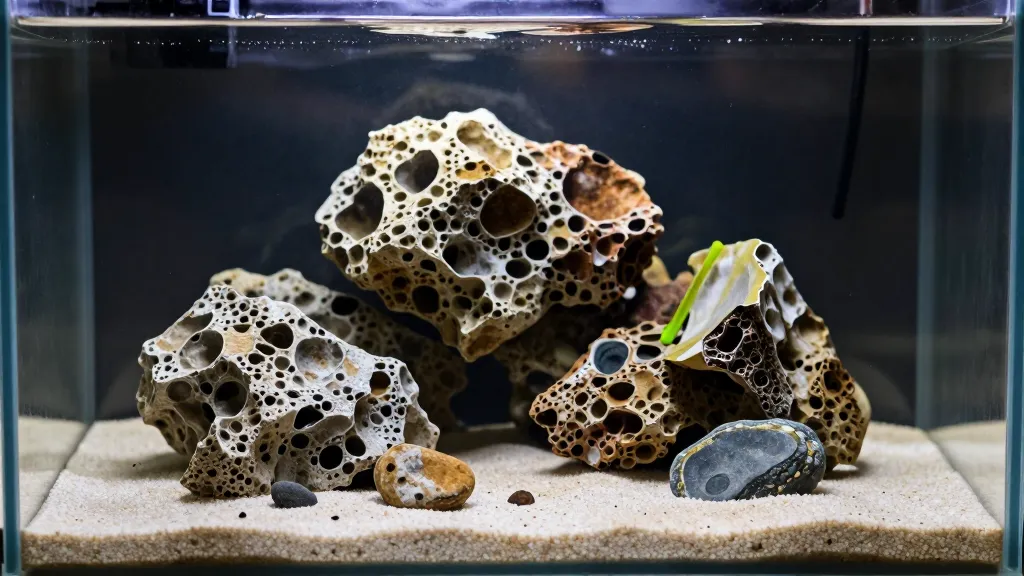
Dragon Stone is a type of limestone composed primarily of calcium carbonate, which is highly alkaline. This composition makes it effective at raising water pH, which can be beneficial for certain fish species but problematic for planted tanks that require lower pH levels. Seiryu Stone, on the other hand, is a silicate-based rock that does not contribute significantly to pH changes. Its neutral nature makes it a preferred choice for aquarists aiming to maintain stable, low, or neutral pH conditions.
How Each Stone Affects pH Levels
When choosing between Dragon Stone and Seiryu Stone, the long-term effects on water chemistry are critical. Dragon Stone can lead to gradual pH increases, which may require frequent water changes or the use of pH-lowering additives to maintain balance. Seiryu Stone, with its minimal impact on pH, helps sustain a more consistent environment, reducing the need for active pH management. Both stones can be used in planted tanks, but Seiryu Stone is generally more suitable for tanks with specific pH requirements, offering greater flexibility and stability.
Selecting Hardscape Rocks for Low or Neutral pH Tanks
Selecting hardscape rocks for low or neutral pH tanks requires careful consideration of the material's inherent chemical properties. Certain rocks naturally contribute to stable or slightly acidic water conditions, making them ideal for planted tanks. By choosing the right materials and monitoring their impact, hobbyists can maintain optimal pH levels for both aquatic plants and fish.
Natural Acidic and Neutral Hardscape Options
Natural acidic and pH-neutral rocks are essential for maintaining stable water conditions in freshwater aquariums. Options like slate, basalt, and certain types of sand are known for their low or neutral pH contributions. These materials do not significantly alter water chemistry, making them safer choices for tanks with sensitive aquatic life. When selecting such rocks, it is important to ensure they are clean and free from contaminants that could affect water quality.
Testing pH After Adding Hardscape Rocks
After introducing hardscape materials into your tank, it is crucial to test the pH levels regularly. pH test kits are invaluable tools for monitoring how rocks influence water chemistry over time. Some materials may gradually affect pH levels, so ongoing testing helps maintain stability and prevent unexpected fluctuations. Regular water testing also allows for early detection of any imbalances, ensuring a healthy environment for your aquatic ecosystem.
Best Practices for Using Hardscape Rocks in Freshwater Tanks
Once you've selected the right hardscape rocks for your freshwater tank, proper placement and ongoing maintenance are essential to ensure both aesthetics and water quality. Thoughtful rock placement not only enhances the visual appeal of your tank but also supports plant growth and fish behavior. Regular monitoring of water chemistry after adding new hardscape materials helps maintain stable conditions for your aquatic life.
- Rinse rocks thoroughly before adding them to the tank to remove dust and debris.
- Place rocks in a way that mimics natural terrain and supports plant growth.
- Avoid overstocking the tank with rocks, as this can reduce water surface area and affect oxygen levels.
- Monitor pH and water hardness regularly after adding new hardscape materials.
- Balance aesthetics with functionality to ensure a healthy and visually appealing tank.
Proper Placement and Maintenance of Hardscape
Proper placement of hardscape rocks is key to creating a balanced and functional environment. Arrange rocks to form gentle slopes or clusters that provide hiding spots for fish and anchor for aquatic plants. This not only enhances the natural look of the tank but also encourages beneficial behaviors in your fish. Ensure that water flow remains unobstructed to maintain good oxygenation and nutrient distribution.
Monitoring Water Chemistry After Rock Addition
After adding hardscape materials, it's crucial to monitor pH and water hardness regularly. New rocks can leach minerals into the water, which may alter the chemical balance. Use a reliable test kit to check these parameters at least once a week for the first few weeks. If significant changes occur, consider partial water changes or adjust your rock selection to maintain stable conditions.
Frequently Asked Questions
Which hardscape rocks are best for maintaining low pH in a planted tank?
Rocks like driftwood, leaching substrates, and certain types of sand or gravel are ideal for low pH tanks. These materials help maintain acidic conditions, which are essential for plant growth. Avoid alkaline rocks like limestone or coral, as they can raise pH levels.
Can dragon stone be used in a low pH aquarium, and what are the risks?
Dragon stone can be used in low pH tanks, but it may slowly increase pH over time due to its mineral content. It's important to monitor water chemistry regularly and balance it with other materials to avoid long-term pH shifts.
How do I test whether a rock will raise or lower the pH in my tank?
Test the rock's pH by soaking it in dechlorinated water and measuring the pH change. If the water becomes more acidic, the rock is likely to lower pH; if it becomes more basic, it will raise pH.
Are there any hardscape rocks that are completely pH-neutral?
No rock is entirely pH-neutral, but some, like certain types of sand or gravel, have minimal impact on water pH. Always test the rock before adding it to your tank to ensure it does not affect your water chemistry.
Final Thoughts and Next Steps
Selecting hardscape rocks that do not raise pH is crucial for maintaining a stable and healthy aquatic environment. Prioritise materials that support low or neutral pH conditions, and always test them before use.
Regularly monitor your tank's water chemistry to ensure it remains within optimal ranges. With careful selection and maintenance, you can create a thriving freshwater habitat that supports both plants and fish.