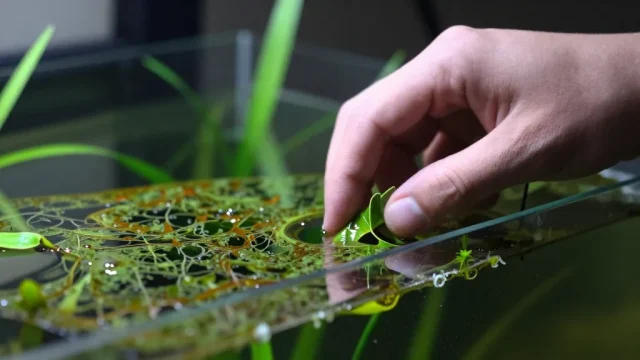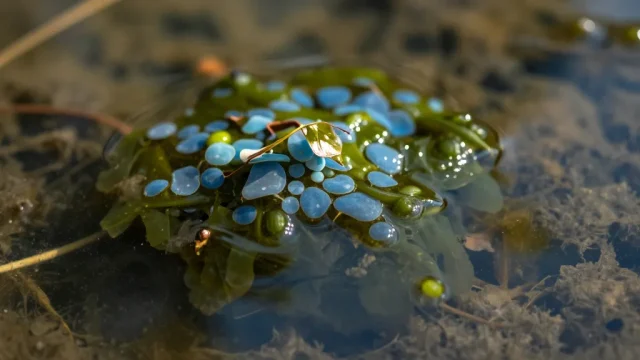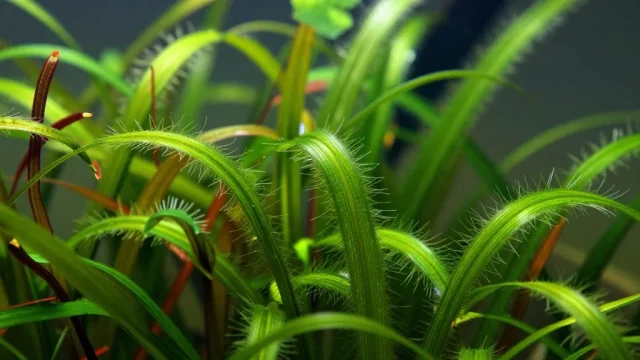
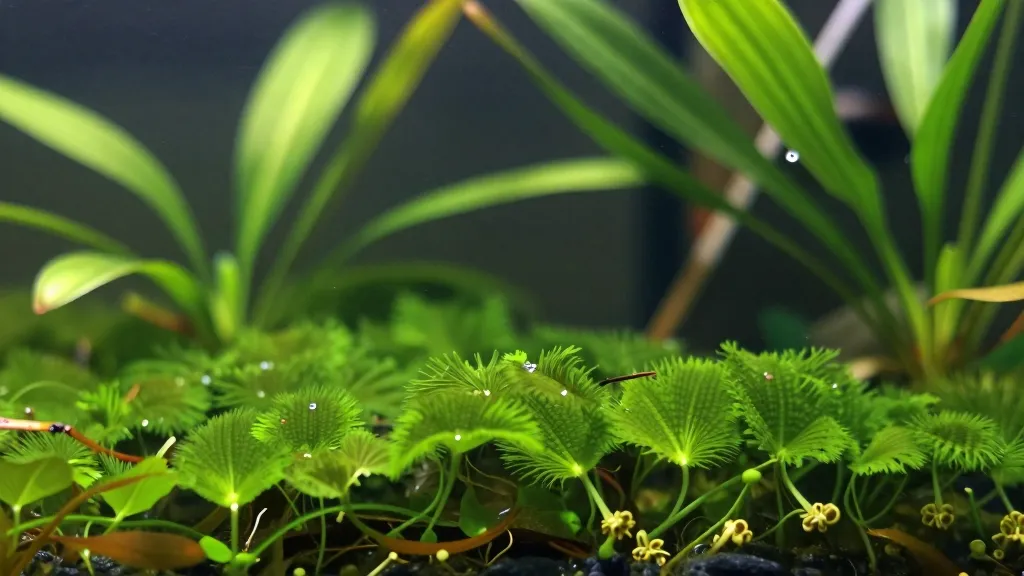
Green spot algae on glass and Anubias can be a frustrating issue for freshwater planted tank enthusiasts, often clouding water clarity and affecting plant health. This common algae appears as small, green spots on tank glass and the leaves of Anubias plants, signaling an imbalance in your aquarium environment. Understanding the causes and effective solutions is key to maintaining a thriving, visually appealing tank.
This article explores the identification, causes, and management of green spot algae on glass and Anubias. You’ll learn how to spot the signs, understand the factors contributing to its growth, and implement practical prevention and treatment methods. Whether you're a beginner or an experienced aquarist, this guide offers clear, actionable steps to address this issue effectively.
By focusing on water parameters, light exposure, and regular maintenance, you can create a balanced ecosystem that minimizes algae outbreaks. The strategies outlined here are designed to help you achieve clearer water and healthier plants, ensuring your freshwater tank remains a beautiful and sustainable habitat.
Identifying Green Spot Algae on Glass and Anubias
Recognizing green spot algae on glass and Anubias is crucial for maintaining a healthy planted tank. This type of algae often appears as distinct green patches, which can be mistaken for other algae species. Understanding its appearance and location helps in early detection and effective management.
What Green Spot Algae Looks Like
Green spot algae typically appears as small, circular or oval patches on the glass and Anubias leaves. These spots are often light to medium green in color and may appear as isolated clusters or spread across surfaces. The algae tends to form a dense, uniform layer that can be easily wiped away. Unlike other algae, green spot algae does not spread rapidly across the tank unless conditions are favorable for its growth. It can also appear as a thin, fuzzy layer on Anubias leaves, which can be mistaken for a natural coating if not closely examined.
Where It Typically Forms
Green spot algae is commonly found on the glass walls of the aquarium, especially near the water surface where light penetration is highest. It can also appear on the undersides of Anubias leaves, where it often forms small, concentrated patches. These areas are typically shaded and receive less direct light, which can contribute to the algae's growth. In contrast, black beard or hair algae tend to form long, stringy strands, while other algae may appear as a thin, green film. By identifying where green spot algae is most likely to appear, aquarists can take targeted measures to prevent its spread.
Causes of Green Spot Algae Growth
Understanding the causes of green spot algae growth is essential for maintaining a healthy freshwater planted tank. Algae proliferation is often linked to imbalances in water parameters and environmental conditions. By addressing these factors, aquarists can significantly reduce the likelihood of green spot algae outbreaks.
Phosphate Deficiency and Algae Growth
Phosphate deficiency can paradoxically contribute to green spot algae growth. While phosphates are a key nutrient for plant growth, their absence can lead to nutrient imbalance, favoring algae. Green spot algae often thrive in environments where phosphate levels are too low, as they can access other nutrients more readily. Maintaining balanced phosphate levels through regular testing and supplementation is crucial for preventing algae overgrowth.
The Role of Light Duration
Light duration plays a critical role in algae growth. Prolonged exposure to bright lighting can stimulate photosynthesis in algae, leading to rapid growth. Green spot algae, in particular, can flourish under extended light periods, especially if the tank receives more than 8–10 hours of daily illumination. Adjusting light cycles to match the needs of aquatic plants can help prevent algae from gaining an advantage.
Preventing Green Spot Algae Outbreaks
Preventing green spot algae outbreaks requires a proactive approach that combines consistent maintenance, proper nutrient management, and optimized light conditions. By addressing these factors, you can create an environment that favors plant growth over algae proliferation.
- Perform weekly water changes to remove excess nutrients and maintain stable water parameters.
- Test and adjust phosphate levels regularly, aiming for 0.01–0.05 ppm to discourage algae growth.
- Use a high-quality, low-phosphate substrate to support plant roots without encouraging algae.
- Monitor nitrate levels and ensure they remain below 20 ppm to reduce the risk of algae outbreaks.
Maintaining Water Parameters
Maintaining water parameters is essential for preventing green spot algae. Regular water changes help remove accumulated nitrates and phosphates, which can fuel algae growth. Aim for a 10–20% water change weekly to keep the tank clean and balanced. Additionally, testing your water for ammonia, nitrite, and pH levels ensures that your aquatic ecosystem remains stable and less prone to algae blooms.
Balancing Light Exposure
Balancing light exposure is another key strategy for preventing green spot algae. While plants need light to thrive, excessive or prolonged exposure can encourage algae growth. Position your tank in a location with indirect sunlight and use a timer to limit daily light exposure to 8–10 hours. This supports plant photosynthesis without creating conditions that favor algae. Choose LED lights with a full-spectrum output to promote healthy plant growth while minimizing the risk of algae overgrowth.
Treating Green Spot Algae on Glass and Anubias
Treating green spot algae on glass and Anubias requires a combination of physical removal and environmental adjustments. While manual cleaning is often the first step, chemical treatments and water changes can be used to address underlying causes. However, over-cleaning or overuse of chemicals can stress plants and fish, so a balanced approach is essential.
Manual Cleaning Techniques
Manual cleaning is the most effective way to remove green spot algae from glass and Anubias. Use a soft sponge or algae scraper to gently wipe the affected areas, being careful not to damage the plants or glass. For Anubias, focus on the leaf surfaces and avoid scrubbing too aggressively, as this can harm the roots. Regular but controlled cleaning sessions are better than frequent, intensive scrubbing.
Chemical Treatments and Water Changes
Chemical treatments and water changes can help reduce green spot algae by addressing nutrient imbalances and improving water quality. A partial water change of 20-30% can dilute excess nutrients that fuel algae growth. Avoid using harsh algaecides unless necessary, as they can harm beneficial bacteria and fish. Instead, consider using products specifically formulated for freshwater planted tanks, and always follow the manufacturer’s instructions carefully. Consistent water maintenance and monitoring will support long-term algae control.
Long-Term Strategies for Algae Control
Long-term algae control requires consistent effort and a proactive approach to maintain a balanced aquatic environment. By implementing regular maintenance and fostering a plant-friendly ecosystem, aquarists can effectively prevent green spot algae from recurring and promote overall tank health.
- Perform weekly water changes to remove excess nutrients and maintain stable water parameters.
- Test water parameters monthly, including nitrate, phosphate, and pH, to ensure they remain within optimal ranges for plant growth.
- Trim and prune plants regularly to prevent overcrowding and encourage new growth.
- Use a nutrient-rich substrate and supplement with liquid fertilizers to support plant development.
Regular Maintenance and Monitoring
Regular maintenance and monitoring are essential for preventing green spot algae from taking hold. Weekly water changes help flush out accumulated nitrates and phosphates, which can fuel algae growth. By testing water parameters monthly, aquarists can identify imbalances early and make necessary adjustments to support plant health. Consistent maintenance also includes cleaning the tank glass and removing debris, which reduces surfaces where algae can settle.
Creating a Plant-Friendly Environment
Creating a plant-friendly environment shifts the tank's focus from algae to thriving aquatic plants. A well-planned layout with sufficient lighting, CO2 supplementation, and nutrient-rich substrates encourages plant growth, which competes with algae for resources. Incorporating a variety of plants also increases oxygen levels and stabilizes water chemistry, making it less hospitable for algae. By prioritizing plant health, aquarists can naturally suppress algae growth and create a more visually appealing and ecologically balanced tank.
Frequently Asked Questions
How can I tell if the green spots on my Anubias are algae or a nutrient deficiency?
Green spots on Anubias are often algae, especially if they appear on the leaf surface. Nutrient deficiencies may show as yellowing or browning. Check for algae growth by scraping the spot; if it comes off, it's likely algae.
Is phosphate deficiency a common cause of green spot algae?
Phosphate deficiency can contribute to green spot algae, but it's more commonly linked to excess nutrients or light. A lack of phosphate may lead to other issues, not directly algae growth.
Can too much light cause green spot algae to grow?
Yes, excessive light can promote green spot algae growth by providing more energy for photosynthesis. Adjusting light duration and intensity can help prevent algae outbreaks.
What is the best way to remove green spot algae from the glass without harming my plants?
Use a soft sponge or algae pad to gently scrub the glass. Avoid harsh chemicals that can damage plants. Regular maintenance and water changes will help prevent future buildup.
Final Thoughts
Managing green spot algae requires attention to water parameters, light exposure, and nutrient balance. Regular maintenance and proactive care can prevent outbreaks and promote a healthy tank environment.
Start by identifying the source of algae growth and adjust your tank's conditions accordingly. With consistent effort, you can maintain a clean and thriving aquatic ecosystem.