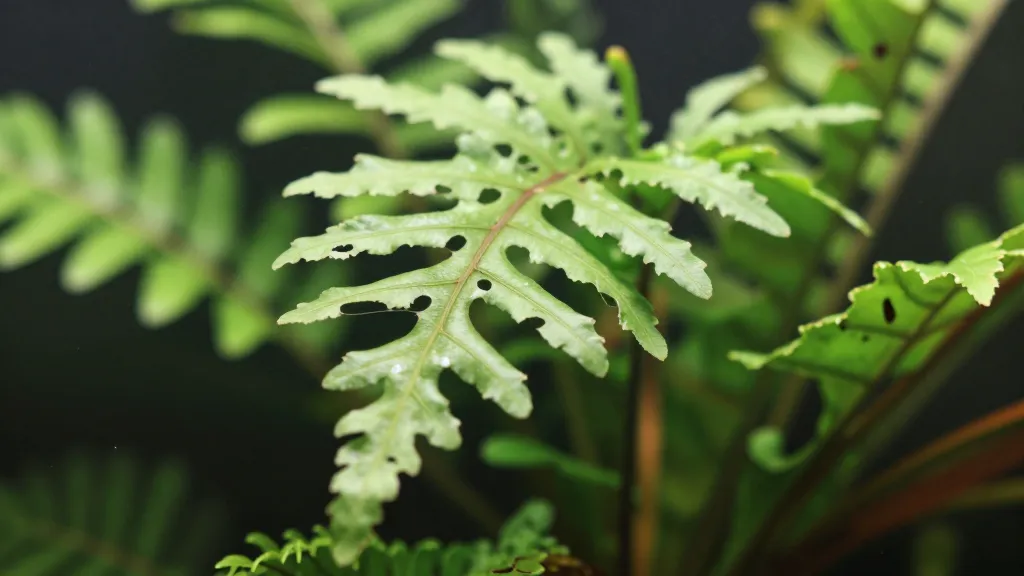
If you're noticing pinholes in the leaves of your Java Fern, you might be dealing with potassium deficiency—a common issue in planted freshwater tanks. This nutrient plays a crucial role in plant health, affecting everything from leaf structure to overall growth. Potassium deficiency pinholes in leaves can weaken plants, making them more vulnerable to stress and disease. Understanding the causes and solutions for this problem is essential for maintaining a thriving aquatic garden. This article will guide you through the signs, diagnosis, and fixes for potassium deficiency in Java Fern and other plants. You'll learn how to identify the issue, test for potassium levels, and apply the right nutrients to restore your tank's health. Whether you're a seasoned aquarist or just starting out, this information will help you address potassium deficiency effectively and prevent future problems.
Understanding Potassium Deficiency in Plants
Potassium deficiency is a common nutrient imbalance in freshwater planted tanks, often leading to visible symptoms like pinholes in leaves, yellowing, and stunted growth. This issue is particularly problematic for Java Fern, which is especially vulnerable in low-light or low-nutrient environments. Understanding the role of potassium and its impact on plant health is essential for diagnosing and addressing this problem effectively.
What Is Potassium and Why It Matters for Plants
Potassium is a vital macronutrient that plays a crucial role in plant physiology. It is involved in numerous metabolic processes, including enzyme activation, water regulation, and the transport of nutrients within the plant. In freshwater planted tanks, potassium supports the overall health and growth of aquatic plants by promoting strong root development and efficient nutrient uptake. Without sufficient potassium, plants struggle to maintain cellular functions, leading to a range of visible symptoms.
How Potassium Deficiency Affects Leaf Structure
Potassium deficiency affects leaf structure by disrupting the plant's ability to maintain cell turgor and regulate water balance. This results in the formation of pinholes, yellowing, and overall leaf degradation. The leaves may also become brittle and prone to damage, further compromising the plant's ability to photosynthesize and grow. In Java Fern, these symptoms are often more pronounced due to its sensitivity to nutrient imbalances and its preference for stable, nutrient-rich conditions. Identifying these structural changes early can help in taking timely corrective actions.
Recognizing the Signs of Potassium Deficiency
Recognizing the signs of potassium deficiency is essential for maintaining healthy aquatic plants like Java Fern. While pinholes in leaves are a clear indicator, other symptoms such as brown spots, leaf curling, and stunted growth can also point to a potassium deficiency. Identifying these signs early allows for timely intervention and helps prevent long-term damage to your planted tank.
Common Symptoms of Potassium Deficiency in Plants
Potassium deficiency in aquatic plants often manifests through visible leaf abnormalities. One of the most telling signs is the appearance of pinholes in leaves, which are small, circular holes that develop along the edges or midrib of the foliage. These pinholes are a direct result of the plant’s inability to maintain cell integrity due to a lack of potassium. Alongside pinholes, you may notice brown spots that appear as irregular patches on the leaf surface. These spots are typically more pronounced in Java Fern, where they often appear alongside the pinhole patterns, making it challenging to distinguish from other nutrient deficiencies or diseases.
Distinguishing Potassium Deficiency From Other Leaf Issues
Distinguishing potassium deficiency from other leaf issues requires careful observation. Leaf curling is another symptom that may occur, where the edges of the leaves begin to curl inward, a sign that the plant is struggling to retain moisture and nutrients. Reduced growth is also common, with plants showing slower development and a lack of vibrant coloration. While these symptoms can resemble those of nitrogen or iron deficiencies, the presence of pinholes and brown spots in Java Fern is a strong indicator of potassium deficiency. Comparing the overall health of the plant and the pattern of symptoms can help differentiate between nutrient imbalances and other problems such as algae overgrowth or mechanical damage.
Diagnosing and Confirming Potassium Deficiency
Diagnosing potassium deficiency in your planted tank requires careful testing and observation. By using the right tools and understanding what your water analysis reveals, you can confirm whether low potassium is the root cause of pinholes in Java Fern leaves or if other nutrients are at play.
How to Test for Potassium in Your Tank
To test for potassium in your tank, use a reliable liquid test kit designed for freshwater planted tanks. These kits typically measure potassium levels in parts per million (ppm) and can help you determine if your levels are below the recommended range for healthy plant growth. Follow the manufacturer’s instructions carefully to ensure accurate results. If your potassium levels are consistently low, it may indicate a deficiency that needs correction.
What to Look for in Water Analysis Reports
When reviewing your water analysis report, look for potassium values that fall below the typical range for planted tanks, which is usually between 5–10 ppm. Keep in mind that other nutrients like nitrogen and magnesium can also affect leaf health, so check their levels as well. A balanced nutrient profile is essential for preventing issues like pinholes. Regularly monitoring these values will help you adjust your fertilization strategy and maintain optimal conditions for your Java Fern and other aquatic plants.
Correcting Potassium Deficiency in Java Fern
Correcting potassium deficiency in Java Fern requires a targeted approach that combines the right fertilizer with a consistent dosing schedule. By selecting a balanced liquid fertilizer and adjusting your dosing routine, you can effectively replenish potassium levels and support healthy plant growth.
- Use a balanced liquid fertilizer with adequate potassium content.
- Adjust your dosing schedule to ensure consistent nutrient delivery.
- Monitor plant response to determine if potassium is the main issue.
Choosing the Right Fertilizer for Potassium
Choosing the right fertilizer is crucial for addressing potassium deficiency. Look for a liquid fertilizer that contains potassium as one of its primary nutrients, ideally in a ratio that supports overall plant health. A balanced formula, such as 2:1:2 or 3:1:2, ensures that potassium is delivered in proportion to other essential nutrients like nitrogen and phosphorus. This helps prevent nutrient imbalances that could hinder plant growth.
How to Dose Potassium Correctly in a Planted Tank
Dosing potassium correctly involves maintaining a consistent schedule to ensure steady nutrient availability. Aim to dose your fertilizer every 2 to 3 days, depending on tank size and plant density. Avoid over-dosing, as this can lead to nutrient burn and disrupt water chemistry. Instead, start with a lower dose and gradually increase it if no visible improvement is observed within a few weeks.
Monitoring the plant's response is essential to confirm that potassium is the primary issue. Observe if the pinholes in leaves begin to fade and if new growth appears healthier. If the problem persists despite proper dosing, consider other factors such as light intensity, CO2 levels, or root health. Regularly checking plant condition helps you fine-tune your approach and maintain a thriving aquatic environment.
Preventing Future Potassium Deficiency Issues
Preventing potassium deficiency in Java Fern and other aquatic plants requires consistent attention to nutrient balance and proactive maintenance. By implementing effective strategies for managing fertilizers and water parameters, you can sustain healthy plant growth and avoid the pitfalls of deficiency.
Best Practices for Nutrient Management in Planted Tanks
Maintaining a stable and balanced nutrient regime is essential for long-term plant health. Use a comprehensive fertilizer that includes potassium alongside other essential nutrients like nitrogen and phosphorus. Avoid over-fertilizing, as excess nutrients can lead to algae blooms and other problems. Instead, follow a regular dosing schedule based on the tank's bioload and plant needs, and always perform water changes to replenish depleted minerals.
How to Monitor and Adjust Fertilizer Levels
Regular monitoring of water parameters is crucial for identifying early signs of potassium deficiency. Use a reliable test kit to measure potassium levels along with other nutrients and adjust dosing accordingly. Keep a log of your tank's water chemistry and fertilizer usage to track trends and make informed decisions. If potassium levels drop below optimal ranges, increase dosing gradually and review your feeding routine to ensure all nutrients are being supplied in the right proportions.
Frequently Asked Questions
What causes pinholes in Java Fern leaves?
Pinholes in Java Fern leaves are often a sign of potassium deficiency. This deficiency weakens the leaf structure, making it vulnerable to damage from physical contact or pests. It can also be caused by other nutrient imbalances or poor water conditions.
How can I tell if my Java Fern is lacking potassium?
Signs of potassium deficiency include yellowing leaf tips, brown spots, and pinholes. Leaves may also curl or develop a mottled appearance. A lack of potassium can also lead to stunted growth and reduced overall plant health.
Can I fix potassium deficiency without using liquid fertilizer?
Yes, you can use potassium-rich substrates or root tabs to address potassium deficiency. These provide a slow release of nutrients directly to the roots. However, liquid fertilizers offer more immediate results and better control over nutrient levels.
What other nutrients are important for Java Fern health?
In addition to potassium, Java Fern requires nitrogen, phosphorus, and magnesium for healthy growth. Calcium and iron are also important for leaf development and overall plant vitality. A balanced fertilizer can help ensure all essential nutrients are provided.
Final Thoughts on Java Fern Care
Managing potassium deficiency is key to maintaining healthy Java Fern. Regular testing and proper fertilization can help prevent leaf issues like pinholes and yellowing. A balanced approach to nutrient management ensures long-term plant health.
Monitor your tank regularly and adjust fertilization as needed. Consider using root tabs or liquid fertilizers to provide a steady supply of potassium. With proper care, your Java Fern will thrive and enhance your planted tank.