For freshwater planted tank enthusiasts, achieving a lush, vibrant aquarium often starts with the right plants. Among the most popular choices are Anubias and Java Fern, both of which thrive with proper rhizome planting techniques. These plants are known for their resilience and ability to enhance the aesthetic of any tank, but their success depends on how they're planted. Anubias and Java Fern rhizome planting is a simple yet effective method that ensures these plants grow strong and healthy. This guide will walk you through the essentials of rhizome planting, from selecting the right substrate to avoiding common mistakes.
Understanding Anubias and Java Fern Rhizome Planting
Anubias and Java Fern are among the most popular aquatic plants for freshwater planted tanks, prized for their hardiness, ease of care, and natural beauty. Both species thrive in a variety of conditions, making them ideal for both beginners and experienced aquarists. Their rhizome-based growth pattern allows for simple and effective planting methods, which contribute to their widespread use in aquascaping.
What Are Anubias and Java Fern?
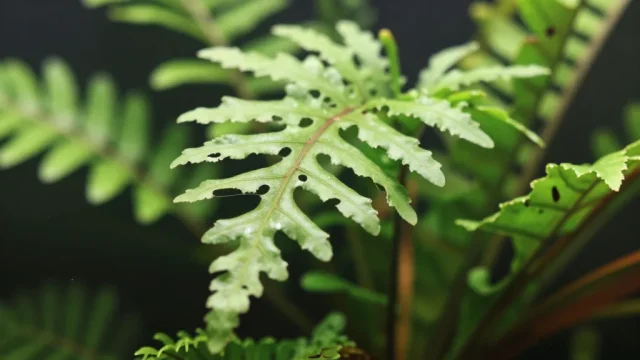
Anubias is a genus of aquatic plants known for its broad, dark green leaves and robust growth. Common species like Anubias barteri and Anubias natalensis are widely used in planted tanks due to their ability to tolerate low light and a range of water parameters. Java Fern, on the other hand, is a member of the Microsorum genus and is recognized for its elegant, wavy leaves that create a natural look in aquascapes. Both plants are highly adaptable and can thrive in low to moderate light conditions, making them excellent choices for beginners.
Why Choose Rhizome Planting?
Rhizome planting is a preferred method for establishing Anubias and Java Fern in a freshwater aquarium. These plants grow from a rhizome, a horizontal stem that stores nutrients and supports new growth. By planting the rhizome on the substrate rather than burying it, you encourage healthy root development and prevent rot. This method also allows the plant to spread naturally over time, creating a lush, vibrant appearance in the tank. Proper rhizome planting ensures the plant's long-term health and enhances the overall aesthetics of the aquascape.
How to Plant Anubias and Java Fern Rhizomes
Proper rhizome planting is essential for the health and growth of Anubias and Java Fern in a planted tank. Selecting the right substrate and securing the rhizome correctly ensures stability and long-term success, while avoiding common errors like burying the rhizome prevents rot and poor development.
- Select a nutrient-rich substrate such as laterite or aqua soil to support root development and provide essential nutrients.
- Position the rhizome on top of the substrate, ensuring it is not buried to prevent rot and encourage healthy growth.
- Use a small amount of aquarium-safe epoxy or a plant holder to secure the rhizome in place, preventing it from floating.
- Avoid using heavy substrates or compacting the substrate too tightly, which can restrict root growth and hinder stability.
Choosing the Right Substrate
Choosing the right substrate is critical for the long-term health of rhizome plants. A nutrient-rich substrate like laterite or aqua soil provides the necessary minerals and trace elements that support root development and overall plant vitality. These substrates also allow for better water circulation, which helps prevent root rot and promotes robust growth. Avoid using inert substrates like gravel or sand, as they lack the nutrients required for rhizome plants to thrive.
Securing the Rhizome to the Substrate
Securing the rhizome to the substrate is just as important as selecting the right substrate. While rhizomes naturally anchor themselves, they can sometimes float if not properly stabilized. A small amount of aquarium-safe epoxy can be used to attach the rhizome to a rock, driftwood, or a plant holder, ensuring it remains in place. Alternatively, gently pressing the rhizome into the substrate with a small amount of gravel or soil can provide stability without burying it. Always avoid using excessive glue or adhesive, as it can harm the plant over time.
Common Mistakes to Avoid When Planting Rhizomes
Planting anubias and java fern rhizomes requires attention to detail to avoid common pitfalls that can hinder growth or lead to plant failure. Understanding and avoiding these mistakes is essential for maintaining healthy, thriving rhizomes in your planted tank.
Never Bury the Rhizome
One of the most frequent errors when planting rhizomes is burying the rhizome in the substrate. The rhizome should remain partially exposed, with only the roots in contact with the substrate. Burying it can lead to rot, as the rhizome lacks the ability to breathe and absorb oxygen properly. Instead, position the rhizome so that it sits just above the substrate, allowing the roots to anchor while the stem remains visible. This method promotes healthy growth and prevents the risk of decay.
Using Glue to Attach to Driftwood
Using glue to attach the rhizome to driftwood is a practical solution in certain setups, especially when the rhizome is too small or fragile to be secured without support. This method can help stabilize the plant and prevent it from being uprooted by water currents. However, it should be used sparingly and only when necessary, as excessive use of glue can interfere with the plant's natural growth. Choose a non-toxic, aquarium-safe adhesive and apply it carefully to the base of the rhizome, ensuring it does not block the plant's access to nutrients and water.
Maintaining Healthy Anubias and Java Fern Rhizomes
Maintaining the health of Anubias and Java Fern rhizomes involves consistent care that supports their natural growth patterns. Proper water parameters and lighting are essential for photosynthesis and nutrient uptake, while managing feeding practices helps prevent nutrient imbalances and algae proliferation.
Water Parameters and Lighting
Anubias and Java Fern rhizomes thrive in stable water conditions, ideally with a pH range of 6.0 to 7.5 and a temperature between 22°C and 28°C. Moderate to high lighting is recommended, as these plants require sufficient light for photosynthesis. Ensure water flow is gentle to avoid disturbing the rhizome while allowing for proper oxygenation.
Avoiding Overfeeding and Algae Growth
Overfeeding can lead to nutrient spikes that encourage algae growth and hinder plant health. Use a balanced liquid fertilizer specifically formulated for rhizome plants, and apply it sparingly. Excess nutrients may cause the rhizome to become soft or develop algae on the leaves. Regularly test water parameters to ensure they remain within optimal ranges and adjust feeding accordingly.
Tips for Successful Rhizome Planting in a Planted Tank
Once the rhizome is planted, the focus shifts to maintaining and enhancing its growth within the tank. Strategic positioning and thoughtful setup are essential to ensure the plant thrives and contributes to the tank’s aesthetic appeal.
- Place the rhizome in a stable position where it can receive adequate light and nutrients.
- Use a combination of substrate and driftwood to create a natural, aesthetic setup.
- Monitor the plant's growth and adjust the setup as needed for optimal results.
Positioning for Optimal Growth
Positioning the rhizome correctly is crucial for its long-term health. Ensure the rhizome is placed in an area with moderate to high light intensity, as this encourages leaf growth and coloration. Avoid placing it in shaded corners, as this can lead to slow growth and weak foliage. When securing the rhizome to the substrate, make sure it is stable and not disturbed by fish activity or water currents.
Creating a Natural and Aesthetic Setup
Creating a natural and aesthetic setup involves integrating the rhizome into the tank's landscape. Use driftwood or rocks to anchor the rhizome and create a sense of depth and structure. This not only enhances the visual appeal but also provides a natural habitat for aquatic life. By combining the rhizome with other plants and decor, you can achieve a balanced and harmonious look that mimics a natural aquatic environment.
Frequently Asked Questions
Can I plant Anubias and Java Fern rhizomes directly into the substrate?
Yes, you can plant rhizomes directly into the substrate. Ensure the rhizome is not buried, and position it so the roots can access nutrients. This method works well in planted tanks with fine-grained substrates.
Is it necessary to use glue when planting rhizomes on driftwood?
Glue is not necessary but can help secure rhizomes to driftwood. It is optional and should be used sparingly. Rhizomes can often attach naturally over time without additional adhesives.
What should I do if my rhizome starts to rot after planting?
If a rhizome starts to rot, remove the affected part immediately to prevent the spread of decay. Check for water quality issues and ensure the plant is not overfed or placed in poor lighting conditions.
How often should I fertilize Anubias and Java Fern rhizomes?
Fertilize rhizomes every 2 to 4 weeks using a liquid fertilizer designed for planted tanks. Avoid overfeeding, as this can lead to algae growth and nutrient imbalances.
Final Thoughts
Proper rhizome planting involves avoiding burial, securing the rhizome correctly, and maintaining stable water conditions. Regular fertilization and careful monitoring will help your Anubias and Java Fern thrive.
Start by selecting the right substrate and positioning your rhizomes for optimal growth. Create a balanced ecosystem with appropriate lighting and water parameters to ensure long-term success.