If you're a home aquarium hobbyist looking to add a lush, carpeting look to your tank without the complexity of a CO2 system, you're not alone. Many beginners find CO2 injection systems overwhelming and opt for low-maintenance alternatives. The best beginner carpeting plants without CO2 can thrive in a variety of conditions, making them perfect for those who want to enhance their tank's aesthetics without the hassle. These plants are not only easy to care for but also help maintain water quality and provide a natural habitat for fish and invertebrates.
Carpeting plants offer a beautiful, dense coverage that mimics the look of a natural underwater forest. They are ideal for beginners because they don’t require specialized equipment or constant monitoring. Instead, they rely on proper water parameters, lighting, and a nutrient-rich substrate to flourish. Choosing the right species is key to ensuring your tank remains healthy and visually appealing over time.
This article explores the benefits of carpeting plants in low CO2 environments, highlights the top options for beginners, and provides practical tips for growing them successfully. Whether you're new to aquariums or simply looking to simplify your setup, these insights will help you create a thriving, carpeted landscape without the need for CO2 injection.
Why Choose Carpeting Plants Without CO2
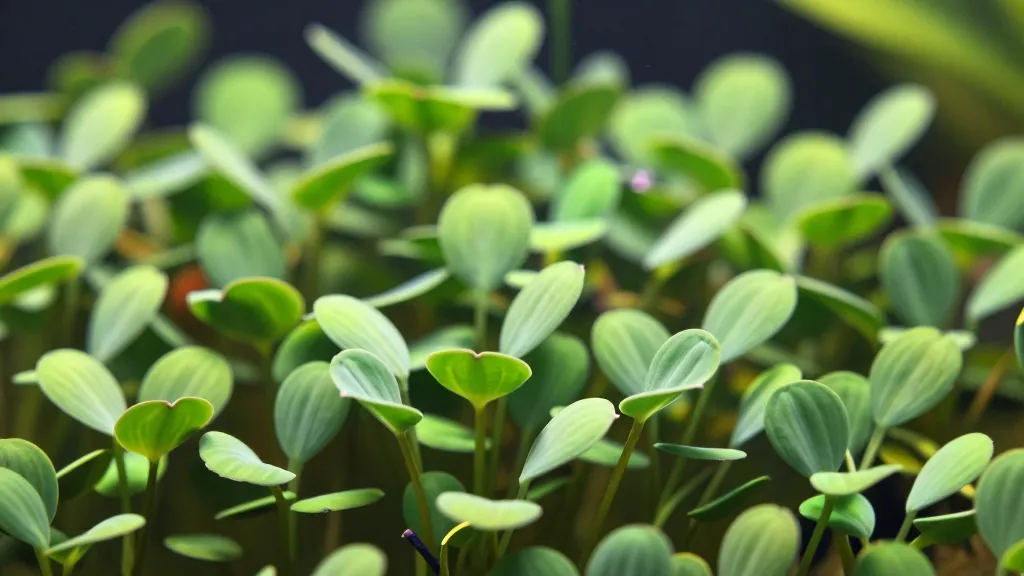
Carpeting plants offer an attractive, natural look that enhances the visual appeal of a planted aquarium. For beginners, these plants are an excellent choice because they can thrive without CO2 injection, reducing the complexity of tank maintenance. Their ability to spread across the substrate creates a lush, carpet-like effect that mimics natural aquatic environments, making them ideal for creating a balanced and visually appealing ecosystem.
Benefits of Carpeting Plants in Low CO2 Tanks
Carpeting plants in low CO2 tanks provide multiple ecological benefits. They contribute to oxygenation by absorbing carbon dioxide during photosynthesis, which helps maintain water quality. Additionally, their dense growth patterns can outcompete algae for nutrients and light, reducing the likelihood of algae outbreaks. This makes them a practical choice for maintaining a clean and healthy tank environment.
Which Carpeting Plants Thrive Without CO2?
Several carpeting plants are well-suited for low CO2 conditions. These plants are typically hardy, adaptable, and require minimal care. They can thrive in a range of water parameters and lighting conditions, making them ideal for beginners. Choosing the right species ensures a successful and sustainable carpeting effect, providing both aesthetic and functional benefits to the aquarium.
Top Carpeting Plants for Beginners Without CO2
Selecting the right carpeting plants for a low CO2 aquarium is crucial for beginners aiming to create a lush, natural look with minimal effort. These plants not only enhance the aesthetic appeal of the tank but also provide essential habitat for aquatic life. Understanding which species thrive without supplemental CO2 can make a significant difference in the success of your planted tank.
- Dwarf Sagittaria is a popular choice due to its fast growth and ability to spread quickly.
- Pearl Weed is known for its fine, carpet-like appearance and adaptability to various water conditions.
- Other options include Java Moss and Anacharis, which are easy to care for and highly effective in creating a lush carpet.
- Each plant has specific care requirements, so it's important to match the plant to the tank environment.
Dwarf Sagittaria: The Fast-Growing Carpet Plant
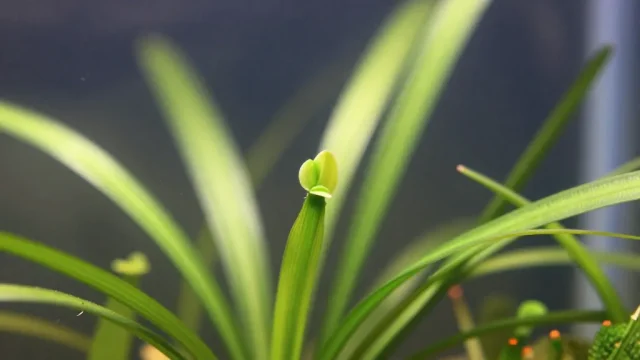
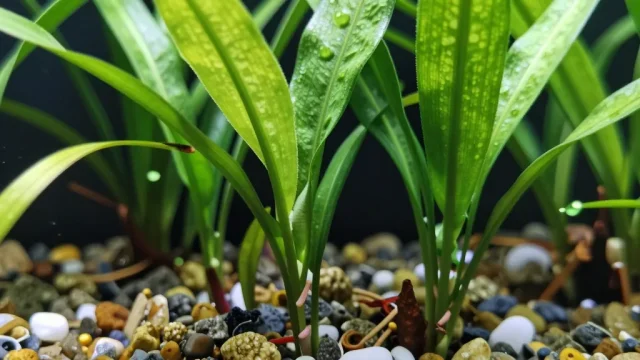
Dwarf Sagittaria is a popular choice due to its fast growth and ability to spread quickly. This plant thrives in low light conditions and can cover the substrate rapidly, making it ideal for beginners looking to create a dense carpet. It requires moderate water parameters and can tolerate a range of temperatures, which makes it a versatile option for many aquarium setups. Regular pruning is recommended to maintain its shape and prevent overgrowth.
Dwarf Sagittaria is also known for its ability to absorb excess nutrients, contributing to water clarity and reducing algae growth. Its adaptability to different water conditions makes it a reliable choice for those new to aquatic gardening. However, it may require occasional fertilization to support its rapid growth and maintain vibrant green coloration.
Pearl Weed: A Dense and Durable Carpeting Option
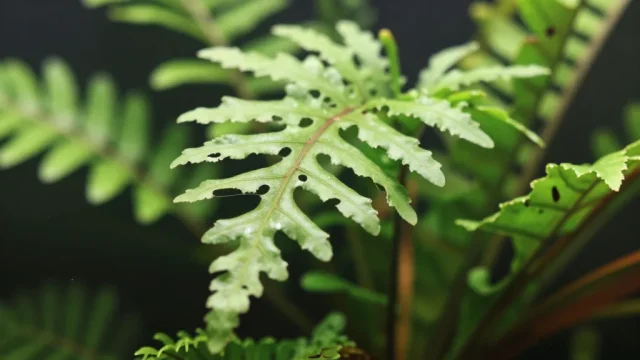
Pearl Weed is known for its fine, carpet-like appearance and adaptability to various water conditions. This plant is highly resilient and can thrive in both low and moderate light environments, making it an excellent option for beginners. It grows in dense clusters, creating a lush, natural look that enhances the tank's aesthetics. Pearl Weed is also effective at absorbing nitrates, which helps in maintaining water quality.
Pearl Weed is relatively low maintenance and can be trimmed easily without damaging the plant. It is well-suited for tanks with moderate water flow and can be anchored to the substrate or attached to hardscape elements. Its ability to adapt to different conditions makes it a flexible choice for those looking to create a carpeted look without the need for CO2 supplementation.
How to Grow Carpeting Plants Without CO2
To successfully grow carpeting plants without CO2, it's crucial to focus on maintaining stable water parameters, proper lighting, and optimizing the substrate and water flow. These elements work together to support healthy growth and prevent common issues like algae outbreaks or poor plant health. By following the right practices, even beginners can achieve a lush, carpet-like appearance in their aquariums without the need for complex CO2 systems.
Water Parameters and Lighting Requirements
Maintaining stable water parameters is essential for the health of carpeting plants. These plants thrive in environments with consistent temperature, pH, and hardness levels. Aim for a temperature range of 72-82°F (22-28°C), a pH between 6.5 and 7.5, and moderate hardness. Fluctuations in these parameters can stress the plants and hinder their ability to grow and spread effectively.
Lighting requirements vary depending on the plant species, but most carpeting plants prefer moderate to low light. Avoid high-intensity lights, as they can lead to excessive algae growth and stress the plants. LED lights with a spectrum suitable for aquatic plants are ideal. Place the lights at a distance that prevents overheating and ensures even coverage across the tank.
Substrate and Water Flow Optimization
A suitable substrate is vital for carpeting plants to anchor and absorb nutrients. Use a fine-grained, nutrient-rich substrate that allows for good root development. Some plants may require a layer of nutrient-dense soil or a specialized aquarium substrate to thrive. Ensure the substrate is compacted slightly to prevent it from being disturbed by water flow.
Optimizing water flow helps distribute nutrients and oxygen throughout the tank, promoting healthy growth. Use a gentle current that doesn't disturb the plants excessively. Avoid strong water flow, which can uproot young plants or cause them to grow in an uneven manner. Regularly check the flow to ensure it supports the plants while maintaining a natural, carpet-like appearance.
Common Issues and Solutions for Carpeting Plants
Common issues with carpeting plants without CO2 often stem from overgrowth, algae outbreaks, and poor water quality. These challenges can be addressed through proactive maintenance, environmental adjustments, and careful monitoring. Understanding how to manage these problems is essential for maintaining a healthy, thriving planted tank.
Managing Overgrowth and Algae Outbreaks
Overgrowth is a common issue in low CO2 tanks, especially with fast-growing carpeting plants like Dwarf Sagittaria or Pearl Weed. Regular trimming is necessary to maintain a neat appearance and prevent plants from becoming dense and blocking water flow. Adjusting lighting intensity and nutrient levels can also help control growth rates. If overgrowth becomes excessive, consider increasing water flow or reducing fertilization to slow plant development.
Troubleshooting Poor Plant Health
Algae outbreaks are frequent in low CO2 environments, where nutrients and light can encourage unwanted growth. Preventing algae requires maintaining good water quality, avoiding overfeeding, and ensuring proper water flow. If algae appears, manual removal, reducing light exposure, and introducing algae-eating organisms can help. In severe cases, a partial water change or adjusting nutrient levels may be necessary to restore balance. Poor water quality can also lead to yellowing or melting plants, so regular water changes and testing for pH, nitrate, and phosphate levels are essential for long-term plant health.
Choosing the Right Carpeting Plants for Your Tank
Selecting the right carpeting plants for your tank requires careful consideration of your tank's environment, including size, lighting, and water parameters. Each plant has specific needs, and matching these to your setup ensures long-term success. By choosing species that align with your tank’s conditions, you can avoid stress, disease, and the need for complex equipment.
Selecting the Right Plant for Your Tank Environment
When selecting carpeting plants, evaluate your tank’s size and available lighting. Dwarf Sagittaria and Pearl Weed are excellent choices for low-light environments, while plants like Java Moss can thrive in a wide range of conditions. Always check the plant’s preferred water temperature, pH, and hardness to ensure compatibility with your tank’s setup. Some species may require more nutrients or specific water parameters, so choose plants that match your tank’s existing conditions to reduce the need for frequent adjustments.
Starting Small: A Beginner's Approach to Carpeting Plants
Starting small is key for beginners. Begin with one or two carpeting plants to gain experience without overwhelming your tank or your time. This approach allows you to observe growth patterns, nutrient needs, and how the plants interact with your aquarium’s ecosystem. As you become more confident, you can gradually introduce additional species, experimenting with different combinations to create a lush, natural look. Patience and gradual expansion will help you build a thriving, low-maintenance carpeting setup over time.
Frequently Asked Questions
Can I use CO2 injection with carpeting plants, or is it unnecessary?
CO2 injection is not necessary for carpeting plants without CO2. These plants thrive in low to no CO2 environments, making them ideal for beginners. While CO2 can enhance growth, it's not required for most carpeting plants.
What are the best carpeting plants for a beginner without CO2?
Dwarf Sagittaria and Pearl Weed are the best carpeting plants for beginners without CO2. They are fast-growing, hardy, and easy to care for, making them perfect for low-maintenance setups.
How do I prevent algae from taking over my carpeting plants?
To prevent algae, maintain proper water parameters, ensure good water flow, and avoid overfeeding. Regular water changes and trimming of algae can also help maintain a clean tank.
What should I do if my carpeting plants are melting or turning yellow?
Melting or yellowing plants may indicate poor water parameters or insufficient lighting. Check the water temperature, pH, and lighting conditions. Adjusting these factors can help restore plant health.
Final Thoughts
Selecting the right carpeting plants without CO2 can transform your tank into a lush, vibrant ecosystem. With the right care and maintenance, these plants can thrive in low to no CO2 environments, offering a beautiful and low-maintenance option for beginners.
Start small by choosing hardy options like Dwarf Sagittaria and Pearl Weed. Monitor your tank's conditions and adjust as needed to ensure your plants flourish. Enjoy the process of creating a thriving, carpeted aquatic landscape.