If you're new to keeping fish or looking to avoid algae outbreaks, you might be wondering: what are peaceful schooling fish for nano tanks? These small, social fish are perfect for tiny aquariums, offering vibrant color and dynamic movement without the stress of overcrowding. Schooling fish thrive in groups, which also helps reduce aggression and promotes natural behavior. Finding the right species is key to a thriving nano tank, and the right fish can make all the difference in maintaining clear water and a balanced ecosystem. In this article, we explore the best options, how to set up your tank, and how to care for these tiny but lively companions.
Choosing Peaceful Schooling Fish for Nano Tanks
Selecting peaceful schooling fish for nano tanks is essential for creating a harmonious and sustainable aquatic environment. These fish thrive in small spaces due to their natural behavior and low stress levels, making them ideal for beginners and enthusiasts looking to avoid algae outbreaks and maintain clear water.
Why Schooling Fish Work Well in Nano Tanks
Schooling fish are naturally inclined to swim in groups, which reduces individual stress and promotes a sense of security. In nano tanks, this behavior is especially beneficial because it mimics their natural habitat, allowing them to exhibit natural movement patterns without the need for large open spaces. Their collective behavior also helps maintain water quality by reducing the likelihood of aggressive interactions and promoting a balanced ecosystem.
Key Traits of Peaceful Nano Tank Fish
Peaceful nano tank fish should be small in size, have low aggression levels, and be compatible with other species. They should also be able to thrive in limited space without overstocking the tank. Choosing species that are not territorial or fin nippers ensures a peaceful environment where all inhabitants can coexist without conflict. Additionally, their dietary needs should be simple and easy to meet, making them suitable for both novice and experienced aquarists.
Top Peaceful Schooling Fish for Nano Tanks
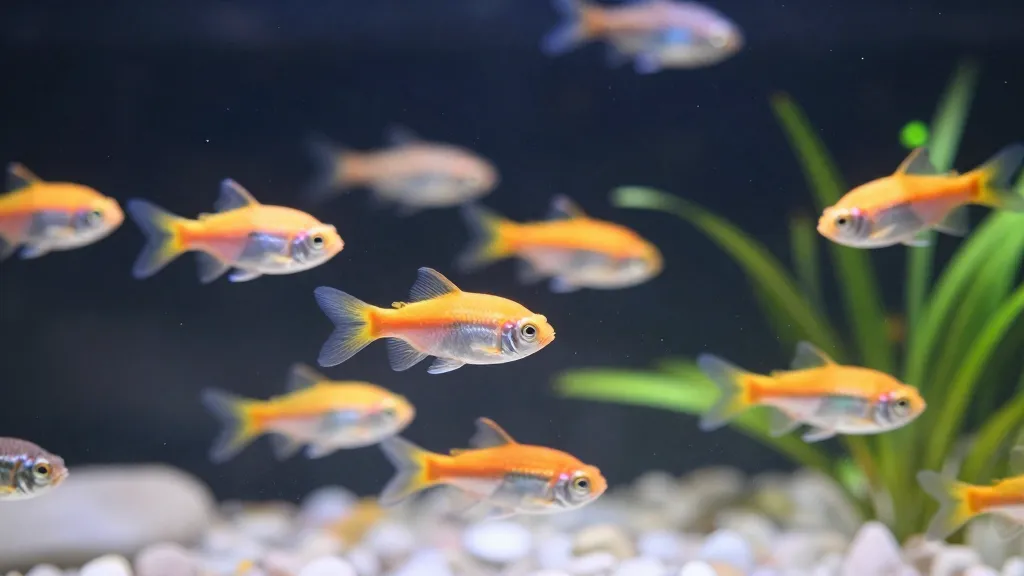
Chili Rasbora and Ember Tetra are two standout options for peaceful schooling fish in nano tanks. Their small size, calm temperament, and ability to thrive in low light and minimal water changes make them ideal for beginners. These fish also contribute to tank health by grazing on microorganisms, which helps control algae growth and maintain water clarity.
- Chili Rasbora: The Ideal Nano Tank Schooling Fish
- Ember Tetra: A Popular Choice for Peaceful Nano Tanks
Chili Rasbora: The Ideal Nano Tank Schooling Fish
Chili Rasbora are small, colorful fish that form tight schools, making them a great addition to nano tanks. These fish are known for their peaceful nature and ability to coexist with other small, non-aggressive species. Their small size means they require minimal space, and they thrive in low light conditions, making them ideal for nano tanks where lighting can be limited. They are also hardy and adaptable, which makes them a good choice for beginners.
Ember Tetra: A Popular Choice for Peaceful Nano Tanks
Ember Tetra are another excellent choice for nano tanks due to their small size and peaceful behavior. These fish are known for their striking red and orange coloration and their ability to form schools. Like Chili Rasbora, they prefer low light and minimal water changes, which makes them suitable for nano tanks with limited resources. They also help maintain water quality by grazing on microorganisms, which can reduce algae growth and improve overall tank health.
Setting Up a Nano Tank for Peaceful Schooling Fish
Setting up a nano tank for peaceful schooling fish requires careful attention to water parameters and decor to create a thriving environment. Proper planning ensures that the tank supports the fish's natural behaviors while maintaining water clarity and stability. Balancing these elements is essential for long-term success in a small aquatic ecosystem.
Water Parameters for Nano Tanks
Nano tanks require precise water parameters to support the health of schooling fish. Maintaining a stable temperature between 72°F and 82°F is crucial, as fluctuations can stress the fish. Regular testing for pH levels (ideally between 6.5 and 7.5) and ammonia/nitrite levels is necessary to prevent toxic buildup. Water hardness should be moderate, as many nano tank fish prefer soft to slightly hard conditions. A consistent water change schedule, such as 10-20% weekly, helps sustain water quality and reduce the risk of algae outbreaks.
Decor and Planting for Peaceful Schooling Fish
Live plants and gentle lighting are key components of a peaceful nano tank setup. Plants like Java Moss, Anubias, and Dwarf Hairgrass provide natural hiding spots and help oxygenate the water while reducing algae growth. They also offer a sense of security for schooling fish, encouraging natural behaviors. Soft, low-intensity LED lighting mimics natural daylight without causing stress, making it ideal for small tanks. Decor such as driftwood, caves, and background plants create a balanced environment that supports both fish and plant life. Proper placement of these elements ensures even water circulation and prevents dead zones where debris can accumulate.
Maintaining a Healthy Nano Tank with Schooling Fish
Maintaining a healthy nano tank with schooling fish requires consistent attention to water quality and fish behavior. Regular monitoring and proactive care ensure a stable environment, preventing stress and promoting long-term success.
Water Testing and Maintenance Tips
Regular water testing is crucial for maintaining a balanced nano tank. Test for ammonia, nitrite, and nitrate levels weekly, and perform partial water changes to dilute toxins and replenish nutrients. A 20% water change every two weeks is typically sufficient, though frequency may vary based on stocking levels and bioload. Using a water test kit and maintaining a water change schedule helps prevent the buildup of harmful substances that can affect fish health and water clarity.
Signs of Stress in Schooling Fish
Signs of stress in schooling fish include erratic swimming, lethargy, or changes in coloration. Aggression may also manifest as chasing or fin nipping, especially in overcrowded tanks. If fish show these symptoms, check water parameters immediately and adjust conditions as needed. Early detection and intervention are key to resolving health issues before they escalate, ensuring a peaceful and thriving nano tank environment.
Comparing Chili Rasbora and Ember Tetra for Nano Tanks
When choosing between Chili Rasbora and Ember Tetra for a nano tank, it's important to consider their specific environmental needs. Both species are small, peaceful, and well-suited for nano tanks, but they have distinct preferences that affect their care and compatibility.
| Feature | Chili Rasbora | Ember Tetra |
|---|---|---|
| Temperature Preference | 72–78°F (22–26°C) | 68–74°F (20–23°C) |
| Water Hardness | Soft to moderately hard | Soft to moderately hard |
| pH Range | 6.5–7.5 | 6.0–7.0 |
| Lighting Needs | Low to moderate | Low to moderate |
| Decor Preferences | Open space with plants | Open space with plants |
| School Size | 6–8 fish | 6–8 fish |
Temperature and Water Preference
Chili Rasbora thrives in slightly warmer water, typically between 72–78°F (22–26°C), which makes them a good choice for tanks with a bit higher ambient temperature. Ember Tetra, on the other hand, prefers cooler conditions, ideally around 68–74°F (20–23°C). This difference in temperature preference can influence which fish are more comfortable in a specific nano tank environment. Both fish can adapt to a range of water conditions, but their optimal temperature ranges should be considered when setting up the tank.
Lighting and Decor Needs
Both Chili Rasbora and Ember Tetra have similar lighting and decor needs, preferring low to moderate lighting with plenty of open space. They both benefit from the presence of live plants, which provide hiding spots and help maintain water quality. However, Chili Rasbora may appreciate slightly more vertical space for movement, while Ember Tetra often enjoy a more horizontal layout. These subtle differences in decor preferences can be accommodated with careful tank design, ensuring both species thrive in a peaceful nano tank setting.
Frequently Asked Questions
Are chili rasbora and ember tetra compatible with nano tanks?
Chili rasbora and ember tetra are both well-suited for nano tanks. They share similar water requirements and temperaments, making them compatible. Both species prefer clean, well-oxygenated water and thrive in small, densely planted tanks. They are peaceful and non-aggressive, making them ideal for community nano tanks.
How many chili rasbora should I keep in a nano tank?
Chili rasbora should be kept in groups of at least six to display their schooling behavior. In a nano tank, a minimum of six individuals is recommended to ensure they feel secure and exhibit natural behaviors. Keeping them in smaller numbers may lead to stress and reduced activity.
Do ember tetra require special lighting in nano tanks?
Ember tetra do not require special lighting, but they thrive in environments with gentle, indirect lighting. A nano tank with floating plants and subdued lighting can mimic their natural habitat. Providing some light helps enhance their colors and supports plant growth, but it should not be too intense.
What are the ideal water parameters for chili rasbora?
Chili rasbora prefer warm, slightly acidic water with a pH of 6.0 to 7.0 and a temperature range of 72°F to 82°F. They require moderate water hardness and excellent water quality. Regular water changes and a well-maintained filter are essential to ensure their health and longevity.
Final Thoughts
Selecting peaceful schooling fish like chili rasbora and ember tetra is essential for a thriving nano tank. These species offer vibrant colors, low maintenance, and a sense of movement that enhances the tank's visual appeal. When setting up your nano tank, prioritize clean water, proper decor, and a balanced community to ensure the well-being of your fish.
To start, research the specific needs of your chosen species and prepare a suitable environment. Regular maintenance and observation will help you identify any issues early. With the right care, your nano tank can be a beautiful and peaceful habitat for your schooling fish.