If you're struggling with algae outbreaks in your 10-gallon freshwater tank, finding the best algae eaters for 10 gallon tank can make a big difference. Algae can cloud your water and harm your plants, but the right species can help maintain a clean, balanced environment. This article explores effective algae-eating options tailored for small tanks, focusing on compatibility, efficiency, and long-term care. Whether you're a beginner or an experienced hobbyist, understanding the best algae eaters for 10 gallon tank can improve your tank's health and appearance. We'll cover everything from snails and shrimp to other species, helping you choose the best solution for your setup.
The key to success lies in selecting species that fit your tank size and complement your existing inhabitants. Some algae eaters are more suited for small tanks, while others may require more space or specific water conditions. We'll break down the pros and cons of each option, so you can make an informed decision. From Nerite snails to Amano shrimp, we'll highlight the most popular choices and how they contribute to a thriving planted tank.
Maintaining a healthy ecosystem goes beyond just adding algae eaters. Proper water parameters, lighting, and regular monitoring are essential for their well-being and effectiveness. This guide covers all these aspects, ensuring you can set up and care for your chosen species with confidence. By the end, you'll have the knowledge to tackle algae issues and keep your 10-gallon tank looking its best.
Choosing the Right Algae Eater for Your 10 Gallon Tank
Selecting the right algae eater for a 10-gallon tank requires careful consideration of the tank's size, the types of algae present, and the compatibility of the chosen species with the tank's ecosystem. A balanced approach ensures that the algae eater contributes positively to water quality and plant health without causing disruptions.
Tank Size and Algae Types
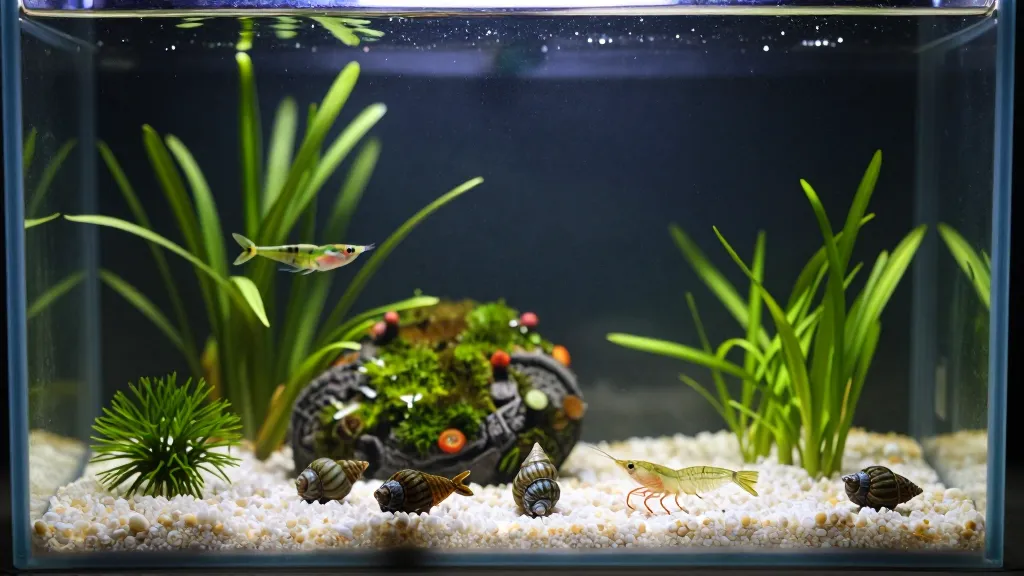
The size of your 10-gallon tank influences the number and type of algae eaters you can safely house. Small tanks benefit from species that are not overly active or large, as they can quickly overpopulate or disrupt the environment. For example, Nerite snails and Amano shrimp are well-suited for compact tanks, as they consume algae without being aggressive. It's also important to assess the types of algae present, as some species prefer certain types, such as green algae or detritus, while others target hair algae or diatoms. Understanding these preferences helps in choosing the most effective algae eater for your specific needs.
Compatibility with Other Tank Inhabitants
Compatibility with other tank inhabitants is crucial to maintaining a harmonious ecosystem. Algae eaters should not be predatory or territorial, as this can stress or harm other fish and invertebrates. For instance, some snail species may become aggressive if they are the only ones in the tank, so it's wise to add other invertebrates or fish to provide distractions. Additionally, some algae eaters may outcompete or harm plants, so it's important to observe their behavior and ensure they do not interfere with plant growth. A well-planned tank setup with a variety of species helps maintain balance and reduces the risk of overpopulation or aggression.
Nerite Snails: Efficient Algae Control in Small Tanks
Nerite snails are among the most effective algae eaters for small tanks like a 10-gallon aquarium. Their ability to consume common algae types makes them a popular choice for both beginners and experienced aquarists looking to maintain a clean, balanced environment.
Nerite Snail Basics
Nerite snails are small, non-invasive, and easy to care for, making them ideal for a 10-gallon tank. These snails are known for their ability to thrive in a variety of water conditions, though they prefer a pH range of 6.8–7.8 and moderate water hardness. Their presence in the tank is generally peaceful, as they do not exhibit aggressive behaviors toward other fish or invertebrates. Proper water parameters are essential to ensure their health and longevity.
Algae Removal Efficiency
Nerite snails are particularly effective at removing black beard algae and green algae from surfaces in the tank. They use their radula to scrape algae off glass, decorations, and plants, contributing to a cleaner and more visually appealing aquarium. While they are not the sole solution for algae outbreaks, their consistent feeding habits help keep algae growth in check. However, their effectiveness can be influenced by the overall water quality and the amount of algae present in the tank.
Amano Shrimp: A Popular Choice for Algae Control
Amano shrimp are a favored choice for algae control in 10-gallon tanks due to their efficiency in consuming common algae types. These small crustaceans are particularly effective against green algae and black beard algae, making them a valuable addition to planted tanks. Their fast-moving nature means they can be challenging to spot, but their presence is often indicated by the reduction of algae in the tank.
Amano Shrimp Overview
Amano shrimp, scientifically known as Caridina multidentata, are native to freshwater environments in Southeast Asia. They are typically 1 to 1.5 inches long and have a distinctive white or pale pink body with a red or orange stripe along their back. These shrimp are known for their voracious appetite for algae, which makes them an excellent choice for maintaining a clean and healthy tank. While they do consume algae, they also require supplemental feeding to ensure they receive all necessary nutrients.
Maintaining Water Conditions for Amano Shrimp
To keep Amano shrimp healthy, it's important to maintain stable water conditions in the 10-gallon tank. They thrive in water temperatures ranging from 68°F to 78°F and require good water quality with low levels of ammonia and nitrite. Regular water changes and proper filtration are essential to support their well-being. Additionally, they prefer slightly acidic to neutral water with a pH between 6.5 and 7.5. Providing hiding spots such as caves or driftwood can also help them feel secure and reduce stress.
Other Algae-Eating Species for 10 Gallon Tanks
In addition to the most common algae eaters, several other species can contribute to algae control in a 10-gallon tank. These alternatives may target different types of algae or thrive under specific conditions, offering a more comprehensive approach to managing algae outbreaks.
- Corydoras catfish are small, peaceful fish that can help reduce algae buildup, especially green algae, in a 10-gallon tank.
- Siamese algae eaters are efficient at consuming algae but require a larger tank and may not be suitable for smaller setups.
- Ghost shrimp are hardy and can help with algae control, though they may also consume plant matter and should be monitored.
- Otocinclus catfish are excellent for eating algae on glass and decor, but they need a well-maintained environment with good water quality.
Alternative Algae-Eating Species
Alternative algae-eating species can fill gaps in your control strategy by targeting different algae types. For example, Corydoras catfish are effective against green algae, while Otocinclus catfish specialize in algae on surfaces. Adding these species can complement your existing algae eaters and reduce the likelihood of algae overgrowth.
Balancing the Ecosystem
Balancing the ecosystem is crucial when introducing multiple algae-eating species. Each species has specific water parameter requirements, and overcrowding can lead to stress or poor water quality. It's important to assess the tank's capacity and ensure that the number of algae eaters doesn't exceed the tank's ability to support them. Regular monitoring and maintenance will help maintain a stable and healthy environment for all inhabitants.
Setting Up and Maintaining Algae-Eating Species
Proper setup and maintenance are essential for ensuring that algae-eating species thrive in a 10-gallon tank. These creatures require specific environmental conditions and care to remain healthy and effective at controlling algae growth.
Water Parameters and Lighting
Water parameters must be stable and suitable for the specific species you introduce. Most algae-eaters prefer a pH range of 6.5 to 7.5 and water temperatures between 72°F and 82°F. Regular testing and water changes will help maintain these conditions. Lighting is also critical, as many algae-eaters rely on it for both survival and activity. Aim for moderate to high intensity lighting, depending on the species, to support plant growth and algae control.
Feeding and Health Monitoring
Regular feeding is necessary to prevent algae overgrowth and ensure the health of your tank inhabitants. Algae-eaters should be offered a varied diet that includes algae-based foods, blanched vegetables, and commercial algae wafers. Overfeeding can lead to poor water quality, so feed them only what they can consume within a few minutes. Monitoring their behavior and health is equally important. Look for signs of stress, such as lethargy or unusual color changes, and adjust their care accordingly. A healthy, active algae-eater is more effective at maintaining a balanced tank environment.
Frequently Asked Questions
Can nerite snails help with black beard algae?
Nerite snails are effective at eating black beard algae, especially in low-light conditions. They are not a complete solution but can significantly reduce its presence when combined with proper tank maintenance.
Are amano shrimp safe for a 10-gallon tank?
Amano shrimp are safe for 10-gallon tanks and are well-suited to small environments. They are peaceful and efficient at algae control, making them a popular choice for nano tanks.
How many algae eaters should I add to my 10-gallon tank?
Add 2-3 algae eaters to a 10-gallon tank, depending on the species. Overstocking can stress the tank, so balance with water parameters and tank inhabitants.
Do algae eaters require special care in a planted tank?
Algae eaters need stable water parameters and proper lighting. In planted tanks, ensure they have access to both algae and plant-based foods to maintain their health and effectiveness.
Final Thoughts
Selecting the right algae eaters for a 10-gallon tank involves considering tank size, compatibility, and algae types. Nerite snails and Amano shrimp are excellent choices for efficient algae control.
Maintaining a balanced ecosystem with proper water conditions and feeding is essential. Start with a small number of algae eaters and monitor their impact on your tank.