If you're setting up a new freshwater planted tank, you may have noticed a strange brown film appearing on your glass, decorations, or plants. This is commonly known as brown diatom algae in new tank, and it's a common issue for both novice and experienced aquarists. While it may seem alarming, it's often a natural part of the tank cycling process. Understanding the causes and how to manage this algae is essential for maintaining a healthy and beautiful aquatic environment. This article will guide you through the reasons behind the appearance of brown diatom algae, how to prevent it, and effective ways to control it in your new tank.
Understanding Brown Diatom Algae in New Tanks
Brown diatom algae is a common issue in new freshwater tanks and is often linked to the silicate phase. This algae appears as a brown, fuzzy layer on tank surfaces and is caused by high levels of silicates in the water. It is part of the natural process of tank cycling and is more prevalent in new setups.
What Is Brown Diatom Algae?
Brown diatom algae, also known as diatom blooms, is a type of microalgae that thrives in environments with high silicate content. It is composed of microscopic diatoms, which are single-celled organisms with silica-based cell walls. These algae form a dense, brownish coating on tank surfaces, including glass, decorations, and substrate. While it may look unsightly, it is generally not harmful to fish or plants in the short term.
The Silicate Phase in New Tanks
The silicate phase refers to the early stage of a new tank's cycling process where silicates from the substrate and decorations dissolve into the water. This phase is common in newly set up tanks and can lead to a buildup of silicates that feed diatom growth. During this period, the water may appear cloudy, and the presence of brown diatom algae is a sign that the tank is undergoing this natural process. The silicate phase typically lasts for a few weeks, after which the levels of silicates decrease, and the algae gradually diminish.
Causes of Brown Diatom Algae in New Tanks
Understanding the causes of brown diatom algae in new tanks is essential for effective management. While multiple factors can contribute to its appearance, silicate buildup is the primary driver. This section explores how silicate accumulation and specific environmental conditions create an ideal environment for diatom algae to thrive in the early stages of a freshwater aquarium.
Silicate Buildup and Its Impact
Silicate buildup in the water is the main cause of brown diatom algae in new tanks. During the initial weeks after setting up a tank, silicate levels often rise due to the breakdown of materials in the substrate, decorations, and even the water source. This accumulation provides the nutrients diatoms need to proliferate, leading to the characteristic brown film or coatings on surfaces. The silicate phase is a natural part of the tank's cycling process and is most common in new setups where the ecosystem is still establishing itself.
Environmental Conditions That Favor Diatom Growth
Environmental conditions significantly influence the growth of brown diatom algae. Low-light conditions in the tank can exacerbate the problem, as diatoms often thrive in dimly lit environments. Poor water circulation can also contribute by allowing silicate particles to settle and concentrate in certain areas, creating localized hotspots for diatom growth. Additionally, the presence of excess nutrients from fish waste or uneaten food may further encourage diatom proliferation, especially when combined with silicate availability.
Preventing Brown Diatom Algae in New Tanks
Preventing brown diatom algae in a new tank requires a proactive approach that focuses on maintaining stable water chemistry, managing feeding practices, and ensuring proper filtration. By addressing these factors early, hobbyists can significantly reduce the likelihood of diatom outbreaks during the silicate phase.
Water Chemistry and Maintenance Tips
Proper water chemistry is essential in preventing brown diatom algae. Maintaining appropriate levels of pH, hardness, and temperature can create an environment that discourages diatom proliferation. Regular testing of water parameters helps identify imbalances that may contribute to silicate buildup. Additionally, using a water test kit to monitor silicate levels allows for early intervention before algae become established.
The Role of Water Changes and Filtration
Water changes and filtration play a critical role in controlling diatom algae growth. Frequent partial water changes help dilute silicate concentrations and remove excess nutrients that diatoms thrive on. A high-quality filter with mechanical and chemical media can further reduce silicate and other particulates in the water. Ensuring good water flow also prevents stagnant areas where diatoms can settle and multiply. Combining these practices with consistent maintenance routines helps maintain a balanced ecosystem in the new tank.
Controlling Brown Diatom Algae in New Tanks
Controlling brown diatom algae in new tanks requires a combination of physical removal, biological assistance, and careful chemical use. While manual cleaning is the most effective method, introducing Otocinclus catfish can provide natural help, and chemical treatments should be reserved for extreme cases due to their potential impact on the tank's ecosystem.
- Regularly scrub the tank surfaces with a soft sponge or algae pad to remove brown diatom algae manually.
- Use a scraper or algae brush to clean glass, decorations, and substrate where diatoms tend to accumulate.
- Perform frequent water changes to reduce silicate buildup and maintain stable water parameters.
- Monitor water chemistry closely to avoid fluctuations that can encourage diatom growth.
Manual Removal and Physical Cleaning
Manual removal is the most effective method for controlling brown diatom algae in new tanks. Diatoms tend to form a thin, crusty layer on surfaces such as glass, rocks, and substrates. Using a soft sponge, algae pad, or a dedicated scraper, gently wipe away the algae while being careful not to damage the tank's surfaces. This method is most successful when performed regularly, especially during the early stages of diatom growth.
Using Otocinclus for Algae Control
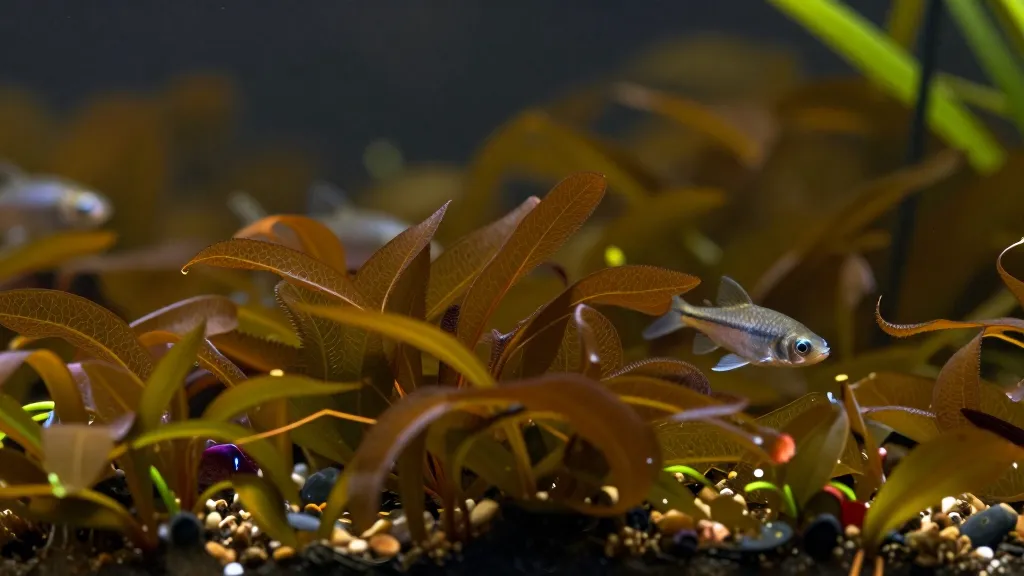
Otocinclus catfish are small, algae-eating fish that can help manage brown diatom algae naturally. These fish are particularly effective at consuming diatoms and other fine algae, making them a valuable addition to a new tank. However, they should be introduced only after the tank has established a stable biological balance. Otocinclus thrive in slightly acidic to neutral water and require a well-maintained environment to remain healthy and effective in algae control.
When to Seek Professional Help for Brown Diatom Algae
Persistent brown diatom algae in a new tank can signal more than just surface-level maintenance issues. If the algae continue to thrive despite regular cleaning, water changes, and proper lighting, it may point to deeper problems in the tank's chemistry or setup. Addressing these issues often requires expert guidance to ensure a healthy, balanced environment for aquatic life.
Identifying Persistent Algae Issues
Identifying persistent algae issues involves more than just observing their presence. Diatom algae may return repeatedly if water parameters are not stable or if the tank's biological filtration is not yet mature. Testing for silicates, nitrates, and phosphates can reveal imbalances that favor diatom growth. Additionally, light intensity and duration may contribute to the problem, especially if the tank is over-illuminated for the plants and fish species present.
When to Consult an Expert
Consulting an expert can provide clarity and solutions tailored to your specific setup. An experienced aquarist can review your tank's water parameters, lighting schedule, and stocking levels to identify potential causes. They may also suggest advanced testing methods or recommend adjustments to your maintenance routine. In some cases, a professional can help determine if the tank's substrate or water source is contributing to the issue, ensuring long-term success in managing brown diatom algae.
Frequently Asked Questions
How long does the silicate phase last in a new freshwater tank?
The silicate phase typically lasts from a few weeks to a few months in a new freshwater tank. It depends on factors such as water chemistry, substrate type, and the presence of live plants.
Can Otocinclus catfish completely eliminate brown diatom algae?
Otocinclus catfish can help reduce brown diatom algae, but they cannot completely eliminate it. They are most effective in tanks with established ecosystems and balanced water conditions.
Are there any chemical treatments that are safe to use in new tanks for diatom algae?
Chemical treatments for diatom algae are generally not recommended for new tanks. They can disrupt the delicate balance of the ecosystem and harm aquatic life.
What should I do if my new tank has a persistent brown diatom algae problem?
If brown diatom algae persist, consider adjusting water chemistry, increasing water changes, and introducing algae-eating fish or invertebrates. Avoid chemical treatments unless necessary.
Final Thoughts
Managing brown diatom algae in a new tank requires a combination of water chemistry adjustments, regular maintenance, and biological control methods. Otocinclus catfish and physical cleaning are effective, but chemical treatments should be used cautiously.
To ensure a healthy tank, monitor water parameters, perform routine water changes, and maintain optimal conditions for plant growth. If issues persist, seek expert advice to prevent long-term problems.