Hair algae can be a frustrating issue for freshwater planted tank owners, affecting water clarity and plant health. Understanding the hair algae causes and manual removal is essential for maintaining a balanced ecosystem. This article explores the common reasons behind hair algae growth and provides practical solutions for manual removal. Whether you're a seasoned aquascaper or a beginner, knowing how to address this problem can significantly improve your tank's appearance and stability. We'll cover the role of light, nutrient imbalances, and effective removal techniques to help you take control. By following these steps, you can reduce algae outbreaks and promote a healthier, more vibrant planted tank. Regular maintenance and ecosystem balance are key to long-term success in freshwater aquariums.
Understanding the Causes of Hair Algae Growth
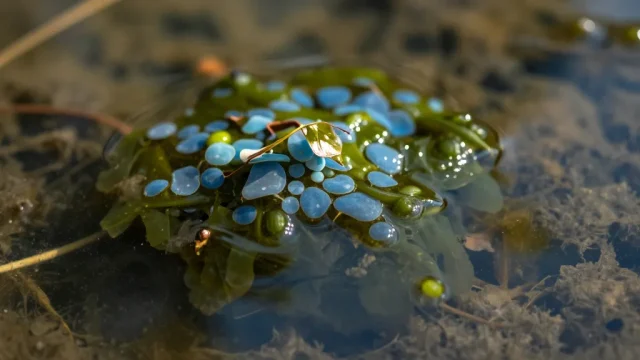
Hair algae growth in freshwater planted tanks is often the result of an imbalance in the tank's environment. Understanding the root causes is essential for effective management and prevention. While algae are a natural part of aquatic ecosystems, their overgrowth can signal underlying issues that require attention.
The Role of Light in Algae Growth
Excess light is one of the primary contributors to hair algae growth. Algae thrive in well-lit environments, and prolonged exposure to strong lighting can encourage their rapid proliferation. In planted tanks, the balance between light intensity and plant health is crucial. Too much light can outcompete plants for nutrients, allowing algae to dominate. Adjusting the duration and intensity of lighting can help mitigate this issue.
Nutrient Imbalance and Its Impact on Algae
Nutrient imbalance plays a significant role in the development of hair algae. High levels of nitrates and phosphates, often from overfeeding or inadequate filtration, create ideal conditions for algae to flourish. Plants require these nutrients for growth, but when they are not fully utilized, they can fuel algae blooms. Maintaining proper nutrient levels through regular water testing and appropriate dosing is key to preventing excessive algae growth. Additionally, ensuring a balanced ratio of nutrients supports both plant and algae health, reducing the likelihood of problematic overgrowth.
Manual Removal Techniques for Hair Algae
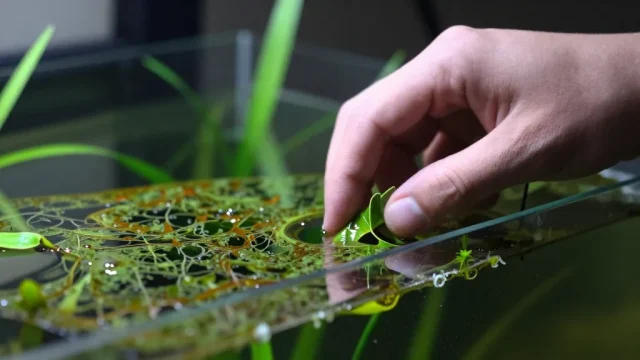
Manual removal is a common and effective method for controlling hair algae in freshwater planted tanks. By physically removing the algae, you can prevent it from spreading and maintaining water clarity. This approach is especially useful for small or localized outbreaks, and it complements other maintenance strategies for long-term control.
- Use a magnetic algae scraper or fine-tipped tweezers for precision.
- Regular cleaning can prevent algae from spreading and taking over the tank.
- Focus on high-traffic areas where algae tend to accumulate.
- Combine manual removal with water parameter checks for better results.
Tools and Techniques for Effective Manual Removal
Tools and Techniques for Effective Manual Removal require careful selection of the right equipment. A magnetic algae scraper is ideal for removing algae from glass surfaces, while fine-tipped tweezers allow for precise removal from plants and substrates. These tools minimize damage to plants and reduce the risk of spreading spores. It's important to clean the tools after each use to prevent cross-contamination.
Best Practices for Daily Maintenance
Best Practices for Daily Maintenance involve consistent effort and attention to detail. Dedicate a few minutes each day to inspect and remove visible algae, especially after lighting cycles. Keeping a log of removal sessions can help track patterns and identify triggers. Integrating manual removal into your routine ensures early intervention before algae becomes a larger issue.
Why Excess Light Contributes to Hair Algae
Excess light is a major contributor to hair algae growth in freshwater planted tanks. While light is essential for plant photosynthesis, too much can disrupt the delicate balance between plant and algae growth, leading to algae dominance. Understanding how light intensity affects your tank can help you manage and prevent unwanted algae outbreaks.
Light Intensity and Algae Growth
Light intensity directly influences the rate of photosynthesis in plants and algae. When light levels are too high, plants may grow rapidly, consuming nutrients at a faster rate than they can be replenished. This creates a nutrient imbalance, which algae—being more adaptable—can exploit to outcompete plants. Over time, this leads to an overgrowth of hair algae, especially in areas where light penetration is strong.
How to Adjust Light for a Balanced Tank
Adjusting light intensity and duration is a key step in managing hair algae. Start by ensuring your tank receives the recommended light hours for your specific plant species, typically between 8 to 12 hours per day. If algae persist, reduce the light intensity or shorten the duration. Many modern LED setups allow for adjustable brightness settings, making it easier to fine-tune light levels. Regularly monitoring algae growth and adjusting light accordingly can help maintain a balanced ecosystem in your tank.
Using Amano Shrimp for Algae Control
Amano shrimp are a popular choice for algae control in freshwater planted tanks. They are natural grazers and can help manage hair algae by feeding on it. However, they should be part of a comprehensive approach to algae management, not a standalone solution.
- Amano shrimp are effective at consuming hair algae, particularly in tanks with moderate to high algae levels.
- They are most beneficial when used alongside regular manual removal and proper water maintenance.
- Amano shrimp thrive in environments with stable water parameters and low to moderate lighting.
- They should be introduced to a tank with a well-established ecosystem to ensure their survival.
How Amano Shrimp Help Control Hair Algae
Amano shrimp feed on various types of algae, including hair algae, making them a useful addition to a planted tank. Their diet includes biofilm, diatoms, and other algae species that can compete with plants for nutrients. While they are not a complete solution for algae control, they can significantly reduce the presence of hair algae when integrated into a maintenance routine.
Best Practices for Keeping Amano Shrimp in Your Tank
To keep Amano shrimp healthy, maintain stable water conditions with a pH between 6.5 and 7.5 and a temperature range of 18°C to 24°C. They require a well-balanced diet, so supplement their food with algae wafers or blanched vegetables if necessary. Avoid overstocking the tank, as Amano shrimp can become stressed in overcrowded environments. Regular monitoring and partial water changes will help sustain their health and effectiveness.
Preventing Future Hair Algae Outbreaks
Preventing future hair algae outbreaks requires a proactive approach that combines regular maintenance, careful monitoring, and a well-balanced tank environment. By focusing on water parameters, nutrient management, and ecological balance, you can significantly reduce the likelihood of recurring algae issues.
Maintaining Optimal Water Parameters
Maintaining optimal water parameters is crucial for preventing hair algae growth. Regularly test for ammonia, nitrite, nitrate, and pH levels to ensure they remain within safe ranges for both plants and fish. High nitrate levels, in particular, can fuel algae proliferation, so frequent water changes and proper filtration are essential. Additionally, maintaining a stable temperature helps prevent stress on aquatic life, which can indirectly contribute to algae outbreaks.
Creating a Balanced Ecosystem in Your Planted Tank
Creating a balanced ecosystem in your planted tank involves more than just plants and fish. Introduce beneficial bacteria through cycling and avoid overstocking, which can lead to excess waste and nutrient imbalance. Incorporating live plants not only competes with algae for nutrients but also improves water clarity and oxygenation. Consider adding algae-eating invertebrates like Amano shrimp to assist with maintenance. By fostering a harmonious environment, you can naturally suppress hair algae and promote a thriving, low-maintenance planted tank.
Frequently Asked Questions
What are the best ways to prevent hair algae from returning after removal?
Prevent hair algae by maintaining balanced light levels, regular water changes, and avoiding overfeeding. Introduce algae-eating shrimp or snails to help control growth naturally.
Can I rely solely on Amano shrimp to eliminate hair algae?
Amano shrimp are effective for minor algae control but should not be the sole method. Combine their use with manual removal, proper lighting, and nutrient management for best results.
How often should I clean my tank to avoid hair algae buildup?
Clean your tank weekly to remove debris and prevent nutrient buildup. Spot clean algae regularly and perform full water changes as needed to maintain water quality.
Is there a natural alternative to chemical algaecides for controlling hair algae?
Yes, natural alternatives include Amano shrimp, algae-eating snails, and manual removal. These methods help maintain a balanced ecosystem without harsh chemicals.
Maintaining a Healthy Planted Tank
Managing hair algae requires a balance of light, nutrients, and regular maintenance. Incorporate manual removal, biological controls, and proper tank care to keep it under control.
Start by assessing your tank’s light and nutrient levels, then use a combination of cleaning, shrimp, and snails to maintain a healthy environment. Consistent care is key to preventing future algae issues.