Blue green algae, or cyanobacteria, can turn freshwater tanks into a murky nightmare, disrupting ecosystems and harming aquatic life. These microorganisms thrive under certain conditions, leading to harmful blooms that are difficult to manage. If you're struggling with blue green algae cyanobacteria fix, you're not alone. This article provides practical solutions to address and prevent these issues in your freshwater planted tanks. From immediate treatments to long-term maintenance, we’ll guide you through effective strategies to restore and maintain clean, balanced water. Whether you're dealing with an outbreak or looking to prevent one, the right approach can make all the difference. Let’s explore the science and solutions behind blue green algae cyanobacteria fix and how to implement them successfully.
Cyanobacteria are photosynthetic bacteria that can rapidly multiply in freshwater environments, especially when nutrients and light are abundant. Their growth can lead to visible green or blue-green scums, reducing water clarity and potentially releasing toxins. Understanding the biology of these organisms is the first step in managing their presence. The right treatment, combined with proper tank maintenance, can help control and prevent their spread.
This guide covers multiple methods for tackling blue green algae cyanobacteria fix, including the blackout method, alternative treatments like erythromycin, and proactive strategies for long-term control. By addressing nutrient levels, water conditions, and regular maintenance, you can create an environment that discourages cyanobacteria growth. Whether you're a seasoned hobbyist or just starting out, these insights will help you keep your freshwater tank healthy and algae-free.
What Is Blue Green Algae Cyanobacteria and Why It's a Problem
Blue green algae, also known as cyanobacteria, are microscopic, photosynthetic bacteria that thrive in freshwater environments. While they play a natural role in aquatic ecosystems, their rapid multiplication can lead to harmful blooms that threaten water quality and aquatic life. Understanding their biology and the conditions that trigger their growth is essential for effective management in freshwater tanks.
The Biology of Cyanobacteria
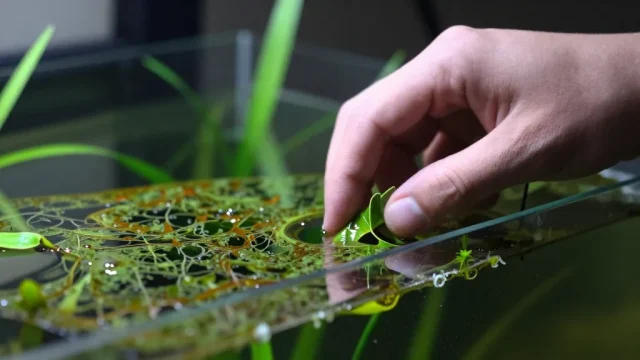
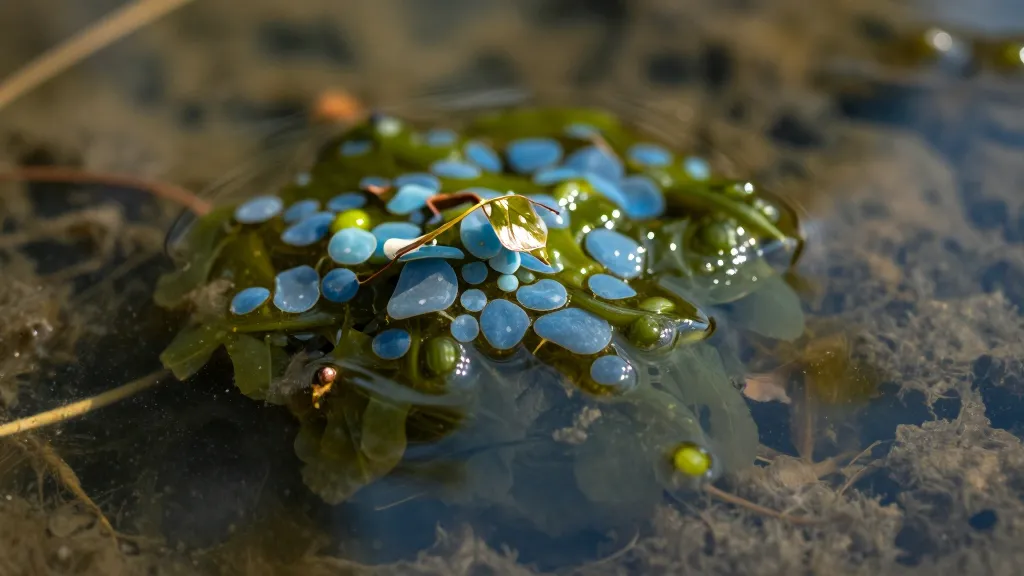
Cyanobacteria are prokaryotic organisms capable of photosynthesis, which allows them to produce their own energy using sunlight. They contain chlorophyll, enabling them to capture light and convert it into chemical energy. These bacteria can form dense colonies, often appearing as slimy, green or blue-green mats on the surface or along the substrate of freshwater tanks. Their ability to thrive in a wide range of conditions makes them common in both natural and artificial aquatic environments.
Why Cyanobacteria Bloom in Freshwater Tanks
Cyanobacteria blooms are often triggered by an imbalance of nutrients, particularly high levels of nitrogen and phosphorus. These nutrients can come from overfeeding fish, decaying plant matter, or improper water maintenance. Warm water temperatures and low water flow further encourage their growth by creating ideal conditions for rapid reproduction. Once established, cyanobacteria can be difficult to remove, as they can persist in the water and even form dormant spores that re-emerge under favorable conditions. This makes prevention and early intervention critical in managing their impact.
The Blackout Method for Cyanobacteria Control
The blackout method is a natural, non-chemical approach to reduce cyanobacteria by cutting off their primary energy source: sunlight. By covering the tank with a dark cloth or tarp for 24 to 48 hours, you deprive the algae of light, slowing its growth and allowing beneficial bacteria to gain a foothold. While this method alone may not eliminate a severe bloom, it can be a valuable tool when combined with other strategies.
How the Blackout Method Works
The blackout method works by disrupting the photosynthetic process that cyanobacteria rely on for energy. Without sunlight, these organisms cannot produce the oxygen and nutrients they need to thrive, leading to a gradual decline in their population. This method is particularly effective in tanks with moderate to low light levels, as it forces the algae to compete for resources in a dimmer environment. However, it is not a permanent solution and should be used in conjunction with other methods such as water changes and mechanical removal.
When to Use the Blackout Method
The blackout method is best used during periods of low water activity, such as early morning or late evening, to minimize stress on aquatic life. It is most effective when applied as part of a broader algae control strategy, especially after mechanical removal or during routine water changes. While it can serve as a temporary fix for minor blooms, it should not be relied upon as a long-term solution. Regular monitoring and proactive management are essential to prevent recurring issues and maintain a balanced ecosystem.
Alternative Treatments for Cyanobacteria: Erythromycin and Beyond
When dealing with cyanobacteria, many aquarists turn to antibiotics like erythromycin, but these treatments come with significant risks. Fortunately, there are safer and more sustainable alternatives that can help manage algae without harming your aquatic life.
Erythromycin and Its Risks
Erythromycin is an antibiotic that can temporarily suppress cyanobacteria growth by disrupting their cellular processes. However, its use is controversial due to potential toxicity to fish and invertebrates. Over time, it may also lead to resistance in cyanobacteria populations, making future treatments less effective. Because of these risks, erythromycin is generally not recommended for long-term or routine use in freshwater tanks.
Safe and Effective Alternatives to Erythromycin
Safer alternatives include beneficial bacteria, UV clarifiers, and chemical-free treatments such as barley straw. Beneficial bacteria can compete with cyanobacteria for nutrients, reducing their ability to thrive. UV clarifiers use ultraviolet light to break down harmful algae, improving water clarity. Barley straw releases compounds that inhibit cyanobacteria growth naturally. These methods are less disruptive to the ecosystem and can be used in conjunction with other maintenance practices. Natural remedies like diatomaceous earth or algae-eating invertebrates can also contribute to algae control, though their effectiveness may vary depending on tank conditions. Always consult a professional before introducing any new treatment to ensure it is suitable for your specific setup.
Preventing Cyanobacteria Blooms: A Proactive Approach
Preventing cyanobacteria blooms requires consistent monitoring and management of your freshwater tank's environment. By focusing on nutrient control, water quality, and system efficiency, you can significantly reduce the likelihood of harmful algae growth.
Nutrient Management and Water Testing
Regular water testing is crucial for identifying nutrient imbalances that can trigger cyanobacteria blooms. Monitoring levels of nitrates, phosphates, and other essential parameters allows you to adjust feeding and fertilization practices before algae become a problem. High concentrations of these nutrients often result from overfeeding fish or excessive use of fertilizers, both of which should be avoided to maintain a balanced ecosystem.
Maintaining Optimal Water Conditions
A reliable filtration system and strong water circulation help maintain a stable and healthy environment for aquatic life. Filters remove excess organic matter and nutrients, while proper circulation ensures even distribution of oxygen and prevents stagnant zones where cyanobacteria can thrive. Regular maintenance of your filtration system, including cleaning or replacing media, is essential to its effectiveness. Additionally, incorporating aeration devices can improve oxygen levels, further discouraging the growth of blue green algae.
Long-Term Strategies for Blue Green Algae Control
Long-term strategies for blue green algae control focus on sustainable practices that prevent recurrence. By integrating regular maintenance, nutrient balance, and biological control methods, water gardeners can create an environment where algae struggles to thrive.
Maintenance and Pruning Tips
Regular pruning of overgrown plants and mechanical removal of algae are essential for preventing future blooms. Removing excess vegetation reduces the nutrients available to cyanobacteria, while physical removal helps break the cycle of growth. These tasks should be performed consistently, especially during peak growing seasons, to maintain a balanced ecosystem.
Balancing Nutrients and CO2 Levels
Balancing nutrients and CO2 levels supports healthy plant growth, which can outcompete algae for resources. Using a balanced fertilization schedule ensures that plants receive the necessary nutrients without overloading the water with excess nitrogen or phosphorus. Monitoring CO2 levels helps maintain optimal conditions for aquatic plants, which in turn suppresses cyanobacteria proliferation. Regular testing and adjustments are key to sustaining this balance over time.
Frequently Asked Questions
Can I use the blackout method alone to remove cyanobacteria?
The blackout method can be effective in reducing cyanobacteria by limiting light exposure. However, it should be combined with other strategies for long-term control.
Are there any fish-safe alternatives to erythromycin for treating cyanobacteria?
Yes, natural methods like improving water quality and using beneficial bacteria can be safer alternatives to erythromycin for fish.
How often should I test my water to prevent algae blooms?
Testing water parameters weekly is recommended to monitor nutrient levels and prevent conditions that promote cyanobacteria growth.
What are the best long-term strategies for controlling blue green algae?
Consistent maintenance, proper nutrient management, and regular water testing are essential for long-term control of cyanobacteria.
Final Thoughts on Cyanobacteria Control
Managing cyanobacteria requires a combination of proactive strategies and regular maintenance. By focusing on water quality and nutrient balance, you can significantly reduce the risk of blooms.
Implementing the blackout method, exploring safe alternatives, and maintaining optimal conditions will help you control blue green algae effectively.